More affordable Proton e.MAS PHEVs could be on the way
- KEY TAKEAWAYS
- Could it be based on the Geely Galaxy Starshine 6?
- 40,000 e.MAS units came quicker than expected
- Don't expect PRO-NET to promise 80,000 or 100,000 just yet
- PRO-NET is still studying gaps in the e.MAS range
- Production capacity is being increased
- Condo charging remains one of the bigger problems
- PHEVs turned out to be harder to explain than expected
- Software may be the biggest lesson from the first 40,000 cars
KUALA LUMPUR: A more affordable Proton e.MAS plug-in hybrid could eventually join the range, with PRO-NET saying it hopes to bring PHEV technology down to a more accessible price point.
KEY TAKEAWAYS
Is Proton launching a cheaper e.MAS PHEV?
Not yet. PRO-NET has not confirmed a specific new model, but Chief Branding Officer Salawati Mohd Yusoff said the company hopes to eventually offer a PHEV at a more accessible price point.What did PRO-NET say about more affordable PHEVs?
Salawati said the current e.MAS PHEV is not an entry-level product and added that PRO-NET hopes it can eventually introduce a PHEV that is “more acceptable in price.”Why is the Geely Galaxy Starshine 6 being linked to Proton?
It sits lower in Geely’s PHEV range than the model related to the current e.MAS 7 PHEV, making it a logical candidate if PRO-NET wants to offer plug-in hybrid technology at a lower price.Speaking during a media session, Salawati Mohd Yusoff, Chief Branding Officer of Proton New Energy Technology Sdn Bhd (PRO-NET) said they're studying the possibility of filling in the gaps in the e.MAS range.
That isn't confirmation of a new model just yet, nor did PRO-NET give a launch timeline. But it does give us a clearer idea of the company's efforts to bring more models into the e.MAS range.
 Photo by Adam Aubrey
Also Read: Proton e.MAS hits 40,000 deliveries, marks milestone with 40% off charging and new owner perks
Could it be based on the Geely Galaxy Starshine 6?
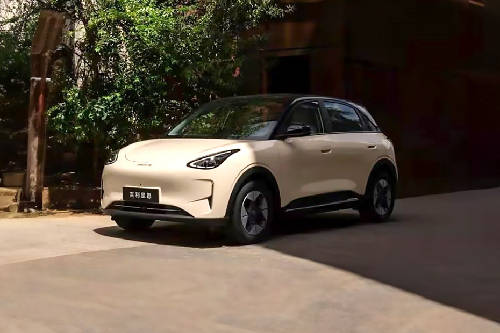
PRO-NET did not identify which model PHEV they are studying to bring, but there is already an interesting candidate within Geely's portfolio: the Geely Galaxy Starshine 6.
There is a Malaysian connection here as well. During Auto China 2026, paultan.org reported Proton CEO Li Chunrong described the Starshine 6 as a “potential model” when discussing Proton's future products. The Starshine 6 is closely related to the latest-generation Geely Emgrand and is available with Geely's plug-in hybrid technology.
That makes the statement particularly interesting in light of Salawati's latest comments.
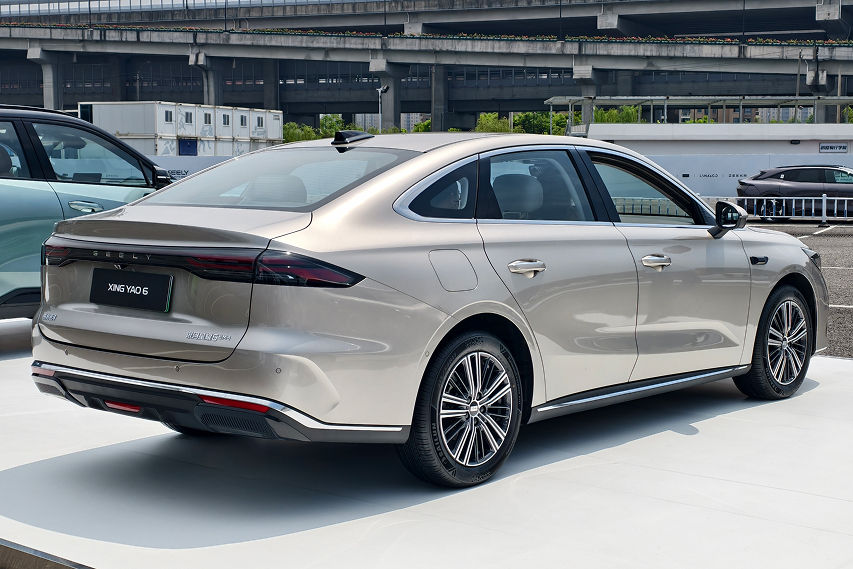 Photo by Adam Aubrey
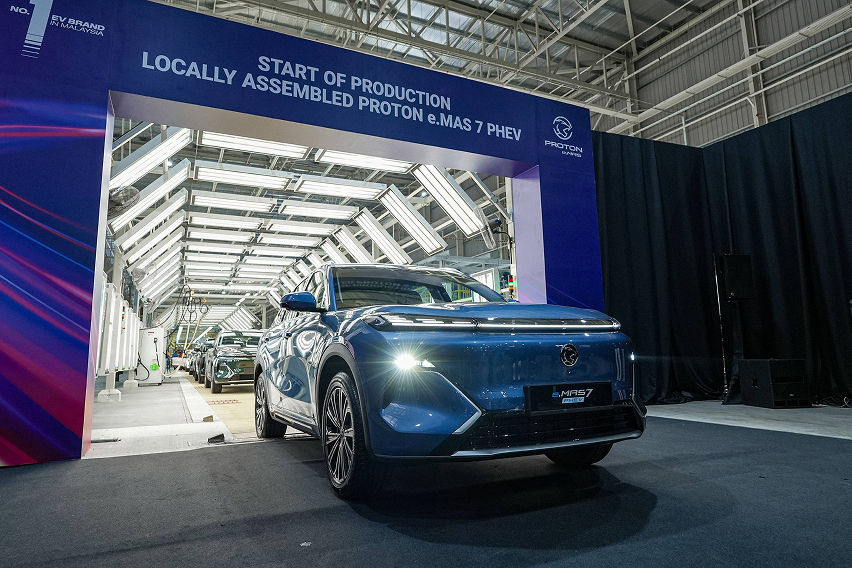
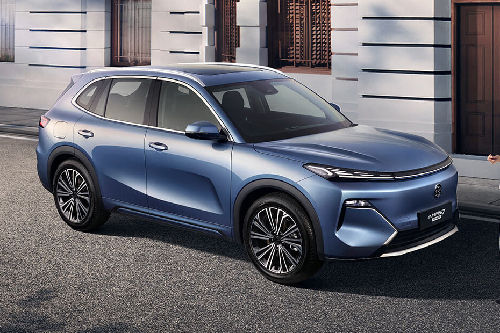
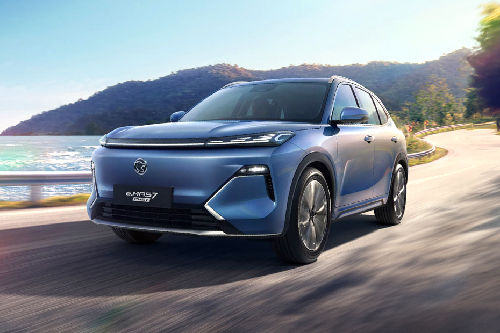
The current Proton e.MAS 7 PHEV is essentially Proton's version of the Geely Starray EM-i, known in China as the Galaxy Starship 7. A smaller or lower-positioned Geely PHEV could therefore provide one route towards the more accessible price point.
However, there is an important distinction: PRO-NET did not say that the Starshine 6 will become a Proton e.MAS model, and Salawati did not identify any particular vehicle during the discussion.
So for now, the Starshine 6 is simply one of the more logical possibilities based on Geely's existing portfolio and Li's earlier “potential model” comment — rather than a confirmed future Proton.
Salawati said PRO-NET continues to study what is missing from its existing line-up, including products that could sit between current price points.
The company appears to be taking a fairly cautious approach to expanding the range. While it wants e.MAS products to reach more Malaysians, any new model still has to make sense in terms of demand, localisation and economies of scale.
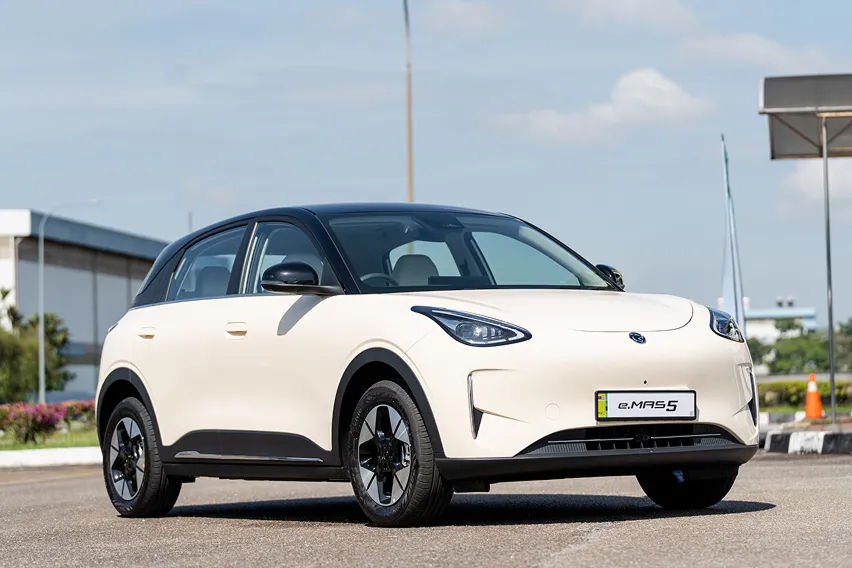 Photo from Proton
40,000 e.MAS units came quicker than expected
The discussion came as PRO-NET marked around 40,000 e.MAS vehicles on Malaysian roads.
Salawati admitted the number arrived faster than the company had initially expected.
When Proton first entered the EV market, she said the company was ambitious but also cautious, particularly because EV demand was much harder to predict than the conventional car market.
The concern was simple: investing heavily in production and infrastructure before knowing whether enough buyers would actually make the switch.
That appears to have worked out better than expected.
Salawati said 40,000 units was something the company had hoped to achieve, but reaching it in such a short period still came as a surprise.
There is more planning involved, particularly around charging, but she argued that the adjustment is not as drastic as some buyers initially imagined.
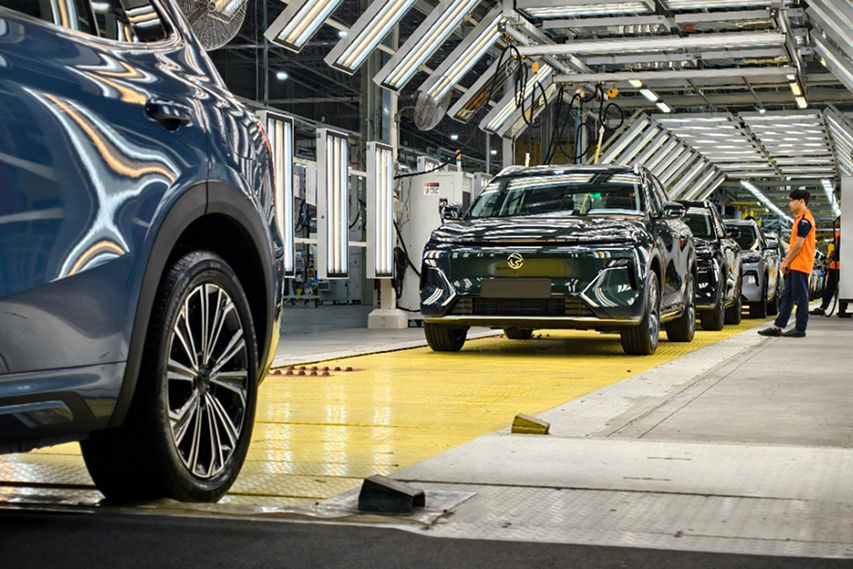 Photo by Adam Aubrey
Don't expect PRO-NET to promise 80,000 or 100,000 just yet
When asked what comes after 40,000 units, Salawati stopped short of setting another big target.
She said EV demand remains considerably harder to predict than the wider passenger-car market, where manufacturers can make relatively reliable forecasts based on historical trends.
PRO-NET obviously wants to keep growing, but she said the objective is not purely about chasing a bigger number every year.
Instead, the company wants to get more Malaysians comfortable with electrified vehicles.
The milestones still matter, though. Salawati acknowledged that constantly talking about 20,000, 30,000 or 40,000 units could sound like bragging, but argued that actual registration numbers provide evidence that buyers are making the switch.
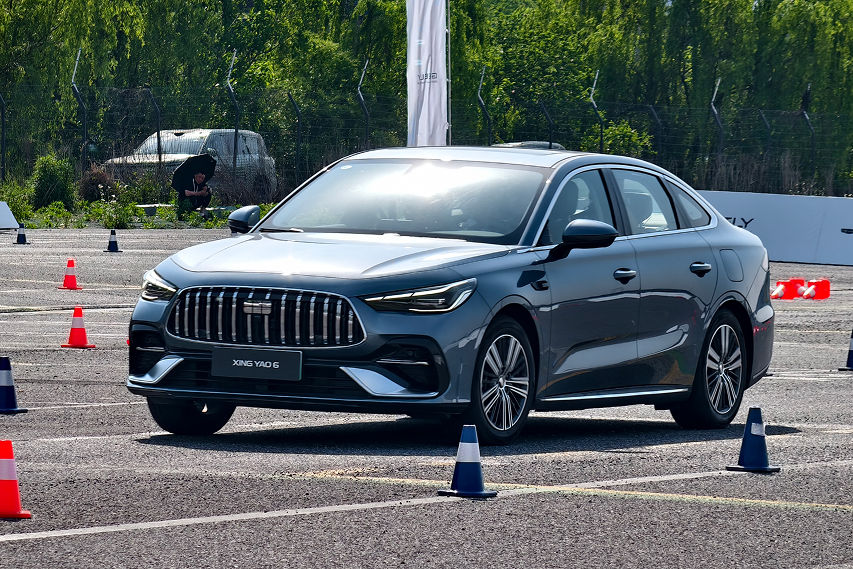 Photo by Adam Aubrey
PRO-NET is still studying gaps in the e.MAS range
More models are also being considered, although Salawati would not commit to anything specific.
She said studies are ongoing to determine where the remaining gaps are in the line-up and what Malaysian buyers are prepared to pay.
“Study tu sedang berlangsung, banyak berlangsung, dan kita nak tengok apa lagi ada di belakang tu… apa lagi yang perlu in between. So to answer that question now is a bit too premature, but we are continually looking out for what else are the possible ones.” said Salawati.
Pricing will depend on factors including the economy, customer demand and whether PRO-NET can achieve enough scale to make localisation viable.
That last point is particularly important.
Proton operates primarily as a CKD manufacturer rather than relying heavily on low-volume CBU imports. That means any new model needs enough volume to justify local assembly and the supporting supply chain.
So while the company is looking at expanding e.MAS into other segments and price points, not every model available overseas will necessarily make sense for Malaysia.
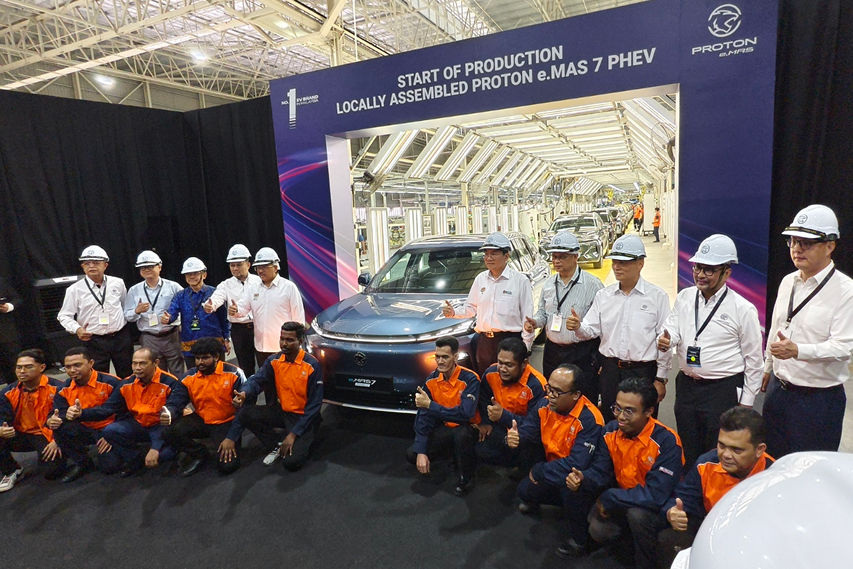 Photo from Proton
Production capacity is being increased
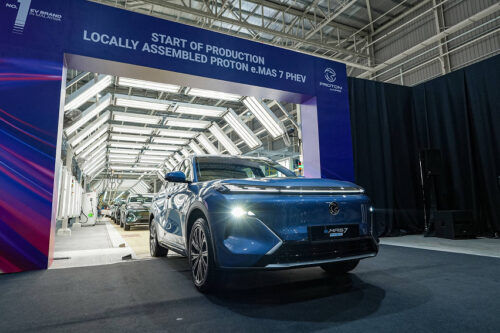
PRO-NET is also working on increasing local production capacity.
Salawati said its CKD operations initially had capacity of around 20,000 units, with expansion underway towards approximately 40,000 units.
That should also help bring waiting periods under better control.
She suggested a wait of around two months is now possible for some vehicles, although the actual delivery time can still depend on the chosen variant, exterior colour and interior combination.
Condo charging remains one of the bigger problems
Another topic that was discussed was charging access for people living in condominiums and other high-rise developments.
Interestingly, Salawati said e.MAS ownership among high-rise residents is already relatively significant.
PRO-NET is working with charge point operators and authorities to improve the situation, but she stressed that installing chargers at a condominium is not as simple as buying the hardware.
Available electrical capacity, building safety requirements, approvals and cooperation from management bodies can all determine whether chargers can actually be installed.
Some buyers without home charging are still choosing EVs anyway.
According to Salawati, those customers may not achieve the maximum possible financial savings from owning an EV, but some value other things more — particularly the quiet drive, technology and overall driving experience.
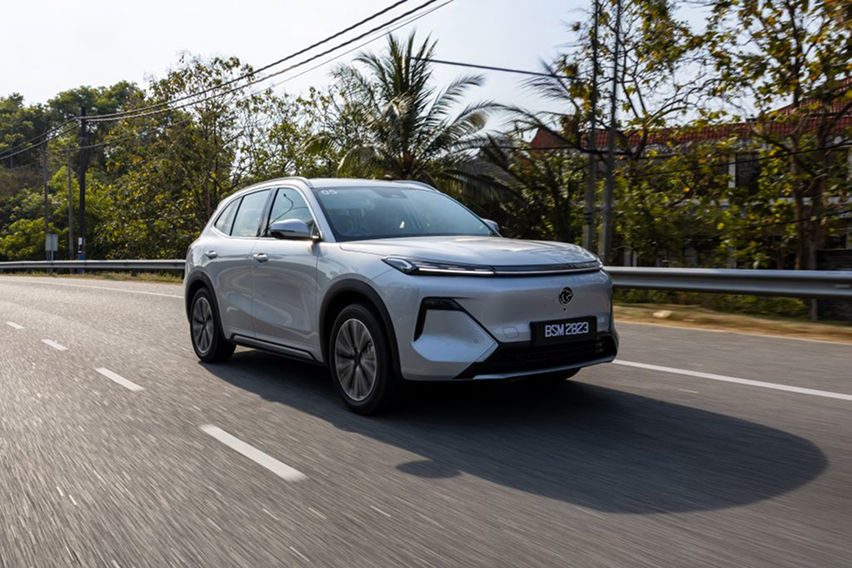 Photo from Proton
PHEVs turned out to be harder to explain than expected
PRO-NET has also learned that plug-in hybrids require considerably more customer education than it initially expected.
Salawati described PHEVs as one of the more difficult electrified technologies to explain because they sit somewhere between a conventional hybrid and a full EV.
When the company's PHEV arrived, some customers apparently began questioning why they should buy a pure EV when a plug-in hybrid could offer electric driving while keeping a petrol engine as backup.
That misunderstanding had to be addressed.
Salawati said buyers are now becoming better at understanding who an EV suits and who would benefit more from a PHEV.
She also pointed out that buying a PHEV without regularly plugging it in misses a large part of what the powertrain is designed to do.
 Photo by Adam Aubrey
Software may be the biggest lesson from the first 40,000 cars
Perhaps the broader lesson from PRO-NET's first 40,000 e.MAS customers has less to do with batteries and motors and more to do with software.
Salawati repeatedly returned to one word: “seamlessness”.
As cars become more software-driven, customers expect things to become easier over time rather than simply remain as they were when the car left the showroom.
That includes charging, payments, saved vehicle preferences and the general interaction between the owner and the car.
PRO-NET therefore needs to respond to feedback much faster than a traditional car company might have done in the past.
Salawati said the company is also looking at using more AI within its customer relationship operations to process enquiries and identify areas that need improvement.
Its relationship with Geely helps here as well. Some software and EV-related issues have already been encountered in other markets, giving Proton's Malaysian team a larger base of experience to work from while adapting products for local customers.
For now, though, the most interesting takeaway may be the simplest one.
The existing e.MAS PHEV is not meant to be the bottom rung of the range, and PRO-NET clearly sees value in eventually bringing the technology to a more accessible price point.
We don't know what form that will take yet. But with the Starshine 6 already previously described by Proton's CEO as a “potential model”, there is at least one intriguing candidate sitting in Geely's portfolio.
Also Read: Proton S70 Lite and Prime launched, from RM56,800 after rebate

-
Explore Proton e.MAS 7 PHEV
-

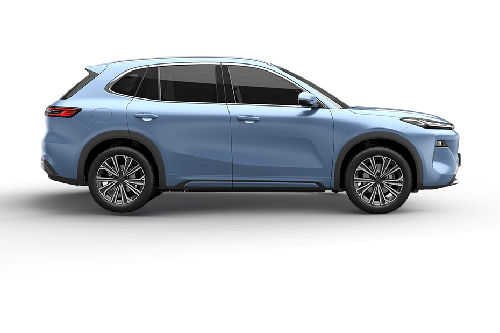
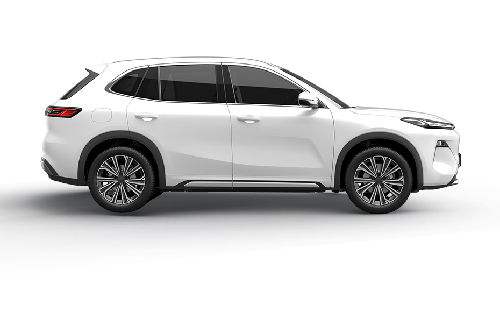
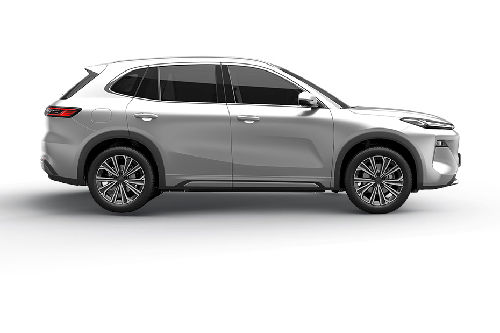
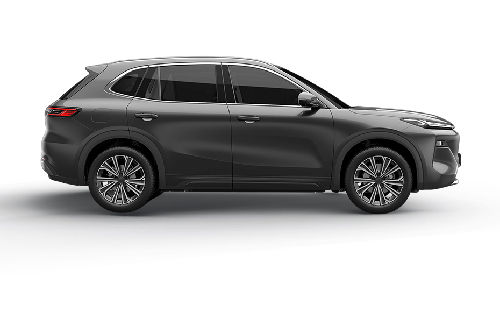

Proton e.MAS 7 PHEV Related Stories
- News
- Featured Stories
- Expert Review
-
 Proton e.MAS hits 40,000 deliveries, marks milestone with 40% off charging and new owner perks
KUALA LUMPUR: Proton e.MAS has now delivered 40,000 vehicles in Malaysia, reaching the milestone around 20 months after the brand...
Read MoreAdam Aubrey, Sep 29, 2026 -
PDRM tests three Proton e.MAS models, possible patrol duties under consideration
KUALA LUMPUR: The Proton e.MAS range could eventually find work with the police. Before any decision is made, though, PDRM...
Read MoreAdam Aubrey, Sep 18, 2026 -
Proton e.MAS sets new monthly sales record - one unit sold every 7 minutes
KUALA LUMPUR: Proton e.MAS has been creating new highs with each passing month. After becoming the fastest automotive brand in...
Read MoreSippi Vig, Sep 09, 2026

-
Proton e.MAS 7 PHEV vs Chery Tiggo 7 PHEV: Which offers the better deal?
The plug-in hybrid SUV market in Malaysia has been intensified with the introduction of the Proton e.MAS 7 PHEV, set...
Read MoreSippi Vig, Feb 17, 2026 -
Proton e.MAS 7 PHEV variants explained – Which one should you choose?
After disrupting Malaysia's BEV market, Proton has entered the hybrid category with the launch of the e.MAS 7 PHEV. Dubbed...
Read MoreSippi Vig, Feb 11, 2026
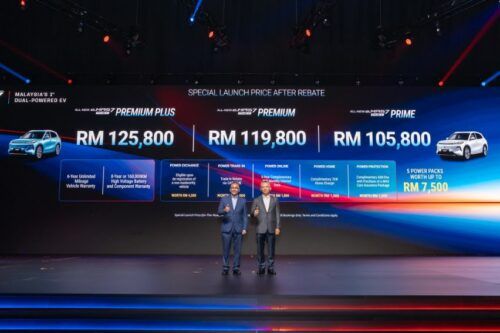
-
Review: e.MAS 7 PHEV - Really the best Proton on sale right now?
Let me start with something I didn't expect to say. After a week with the Proton e.MAS 7 PHEV Premium,...
Read MoreAdam Aubrey, Jun 09, 2026
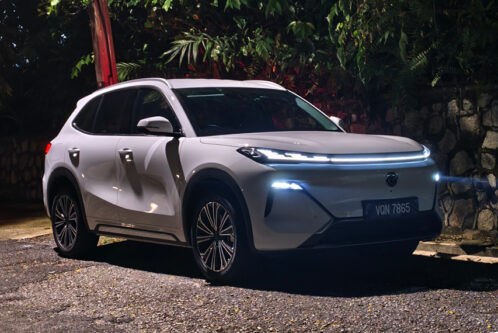
Proton Car Models
-

Proton S70 -
Proton Iriz -
Proton Persona -
Proton X90 -
Proton e.MAS 7 -
Proton X70 -
Proton e.MAS 5 -
Proton X50 -
Proton Saga -
Proton e.MAS 7 PHEV
Don't Miss
-
More affordable Proton e.MAS PHEVs could be on the way
-
Proton e.MAS hits 40,000 deliveries, marks milestone with 40% off charging and new owner perks
-
PDRM tests three Proton e.MAS models, possible patrol duties under consideration
-
Proton e.MAS sets new monthly sales record - one unit sold every 7 minutes
-
Proton fields 14 cars at Malaysia's Merdeka parade, including full CKD e.MAS range
KLIMS 2026


Malaysia Autoshow
Trending & Fresh Updates
- Latest
- Popular
-

-
-
-
-
-
-
-
-
-
Electric Car: A comprehensive buying guidePurva Jain, Jul 01, 2024
-
Must watch automotive movies for enthusiastsPurva Jain, Feb 21, 2024
-
Car Rust-proofing 101: All you need to knowPurva Jain, Feb 15, 2024



You might also be interested in
- News
- Featured Stories
Proton Featured Cars
- Latest
- Popular
-
Proton S70RM 59,800 - 89,800 OTR Price Kuala LumpurEMI : RM 698 x 843.97 (30 Reviews) VIEW OCTOBER OFFERS
-
Proton e.MAS 7RM 103,800 - 119,800 OTR Price Kuala LumpurEMI : RM 1,212 x 844.19 (16 Reviews) VIEW OCTOBER OFFERS
-
Proton X90RM 106,800 - 122,800 OTR Price Kuala LumpurEMI : RM 1,247 x 844.26 (27 Reviews) VIEW OCTOBER OFFERS
-
Proton X70RM 99,800 - 112,800 OTR Price Kuala LumpurEMI : RM 1,165 x 844.18 (80 Reviews) VIEW OCTOBER OFFERS
-
Proton SagaRM 38,990 - 49,990 OTR Price Kuala LumpurEMI : RM 455 x 844.23 (79 Reviews) VIEW OCTOBER OFFERS
-
Proton S70RM 59,800 - 89,800 OTR Price Kuala LumpurEMI : RM 698 x 843.97 (30 Reviews) VIEW OCTOBER OFFERS
-
Proton IrizRM 42,764 OTR Price Kuala LumpurEMI : RM 499 x 844.01 (69 Reviews) VIEW OCTOBER OFFERS
-
Proton PersonaRM 47,800 - 58,300 OTR Price Kuala LumpurEMI : RM 558 x 844.15 (75 Reviews) VIEW OCTOBER OFFERS
-
Proton X90RM 106,800 - 122,800 OTR Price Kuala LumpurEMI : RM 1,247 x 844.26 (27 Reviews) VIEW OCTOBER OFFERS
-
Proton e.MAS 7RM 103,800 - 119,800 OTR Price Kuala LumpurEMI : RM 1,212 x 844.19 (16 Reviews) VIEW OCTOBER OFFERS
-
Proton X70RM 99,800 - 112,800 OTR Price Kuala LumpurEMI : RM 1,165 x 844.18 (80 Reviews) VIEW OCTOBER OFFERS
Latest Proton e.MAS 7 PHEV Car Videos on Zigwheels

-
Proton e.MAS 7 PHEV Premium — the smartest car buy in Malaysia right now?25 Jun, 2026 .

Compare & Recommended
Proton e.MAS 7 PHEV
RM 109,800 - 129,800
Write a Review
e.MAS 7 PHEV Price
|
|
|
|
|
|
Seating Capacity
5
|
7
|
5
|
5
|
5
|
|
Fuel Type
Petrol
|
Petrol
|
Petrol
|
Electric
|
Petrol
|
|
Engine
1498
|
1496
|
1199
|
-
|
1490
|
|
Power
98
|
104
|
110
|
174
|
160
|
|
Torque
125 Nm
|
136 Nm
|
205 Nm
|
280 Nm
|
260 nm
|
|
Transmission Type
Automatic
|
Automatic
|
Automatic
|
Automatic
|
Dual Clutch
|
|
Ground Clearance
-
|
220 mm
|
-
|
161 mm
|
-
|
|
|
Trending SUV
- Latest
- Upcoming
- Popular
-
Mazda CX-5 2026RM 168,510 - 171,510 OTR Price Kuala LumpurEMI : RM 1,969 x 844.36 (65 Reviews) VIEW OCTOBER OFFERS
-
Jetour T2 i-DMRM 162,800 OTR Price Kuala LumpurEMI : RM 1,902 x 84Write a Review VIEW OCTOBER OFFERS
-
Volvo EX30RM 198,888 - 218,888 OTR Price Kuala LumpurEMI : RM 2,324 x 844.33 (9 Reviews) VIEW OCTOBER OFFERS
-
JAECOO J5 EVRM 118,800 OTR Price Kuala LumpurEMI : RM 1,387 x 84Write a Review VIEW OCTOBER OFFERS
-
Porsche Cayenne ElectricRM 699,000 - 999,999 OTR Price Kuala LumpurEMI : RM 8,169 x 84Write a Review VIEW OCTOBER OFFERS
-

-
MINI John Cooper WorksRM 218,888 - 393,888 OTR Price Kuala LumpurEMI : RM 2,557 x 844.38 (13 Reviews) VIEW OCTOBER OFFERS
-
Peugeot 3008RM 138,000 OTR Price Kuala LumpurEMI : RM 1,612 x 844.35 (23 Reviews) VIEW OCTOBER OFFERS
-
Toyota Corolla CrossRM 130,900 - 146,000 OTR Price Kuala LumpurEMI : RM 1,529 x 844.26 (47 Reviews) VIEW OCTOBER OFFERS
-
Perodua AtivaRM 62,500 - 73,400 OTR Price Kuala LumpurEMI : RM 730 x 844.17 (46 Reviews) VIEW OCTOBER OFFERS
-
Toyota RushRM 93,000 - 97,000 OTR Price Kuala LumpurEMI : RM 1,086 x 844.27 (61 Reviews) VIEW OCTOBER OFFERS
-
Mazda CX-5RM 143,300 - 187,200 OTR Price Kuala LumpurEMI : RM 1,674 x 844.36 (65 Reviews) VIEW OCTOBER OFFERS