Same roads, less stress: Why Toyota hybrids make the most sense now
Early mornings in KL are when the city finally slows down. Press start in a Toyota hybrid and the car moves off in near silence, just the whirr of the motor and tyres on concrete. That first roll explains the brief: take a normal daily drive and make it calmer and cheaper without asking anyone to change their lifestyle.
Picture a Monday on the LDP school run with rain starting. The hybrid creeps on motor power, saves the fuel you usually burn doing nothing, then blends the engine in cleanly for the sprint to the toll. Same route, same jam, lower noise and a smaller bill. That is hybrid leadership where it matters.
What sets Toyota apart is not one headline feature, it is repetition. Years of work on motors, inverters, battery management and calibration. You feel it when the engine wakes without a shudder and in the way the e-CVT avoids the elastic drone people love to complain about. You notice it in stop-start traffic when the energy that used to cook your brake pads is sent back into the battery instead. Less heat, less wear, more calm.
That quiet work has added up. Globally, Toyota hybrids have passed the 20-million mark, racking up billions of kilometres in ordinary traffic. In Malaysia, they are a familiar sight in family driveways, ride-hailing cars and government fleets. The technology is no longer an experiment, it is a tool people rely on every day.
Toyota’s “To You” idea sits behind a lot of this. The rule is simple, build around the person first, not the powertrain. Here, that means thinking about a condo dweller with no space for a wallbox, a ride-hailing driver who clocks more than 500 km a day, or a local council that wants cleaner vehicles without guessing where chargers will appear next year. For all of them, a hybrid can cut fuel use and emissions immediately using the petrol stations that already exist.
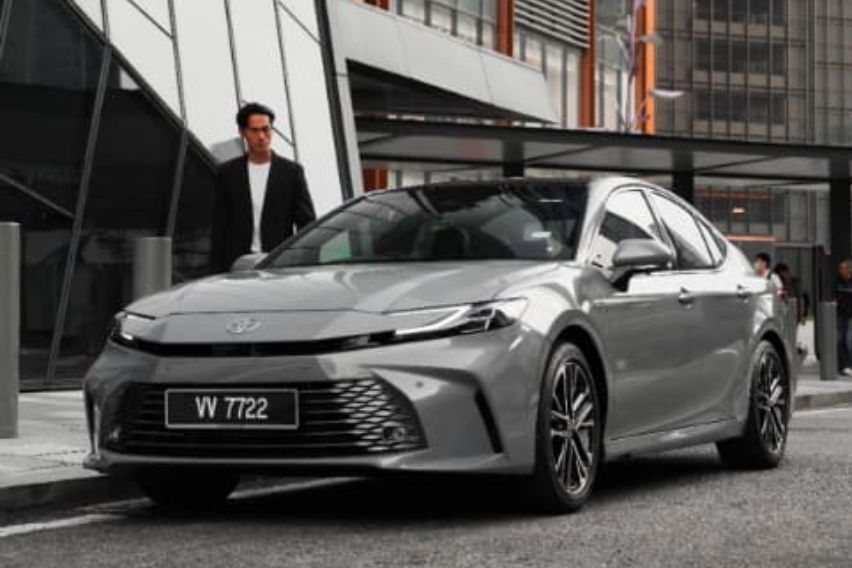 Photo from Toyota
This is also where the carbon arithmetic comes in. With the battery materials for one full EV, Toyota says you can build several small hybrids. Spread those cars out into real traffic and the total emissions saved can be higher than concentrating everything into a single large battery pack. It is not anti-EV, it is pro-impact, using scarce resources where they shave off the most carbon today while the grid and charging network keep growing.
Put together, that is Toyota’s multipathway idea in plain language. Use regular hybrids where charging is hard and traffic is heavy, plug-in hybrids where people can charge at home or in the office, and full battery EVs where the grid and daily routine already support them. Different tools for different streets, all pushing in the same direction instead of betting everything on one answer.
“Best in Town” sounds like a slogan until you walk into a Malaysian showroom. There is no Toyota Tundra parked outside, brilliant truck, wrong country. Instead we get Hilux, IMV products and region-tuned hybrids that can carry five in comfort and still slip into a tight condo ramp. Best in Town also means more development for Asia, by Asia, with tuning for our heat, road textures and driving styles.
New brands will always arrive with sharp spec sheets and tempting prices, but there is a gap between a fresh badge and a system that has been refined over decades. Toyota ties its hybrids to long-running durability results, strong resale values and a service network that already understands high-voltage systems. For a family paying their own installments or a company running a fleet, that track record is part of the safety net.
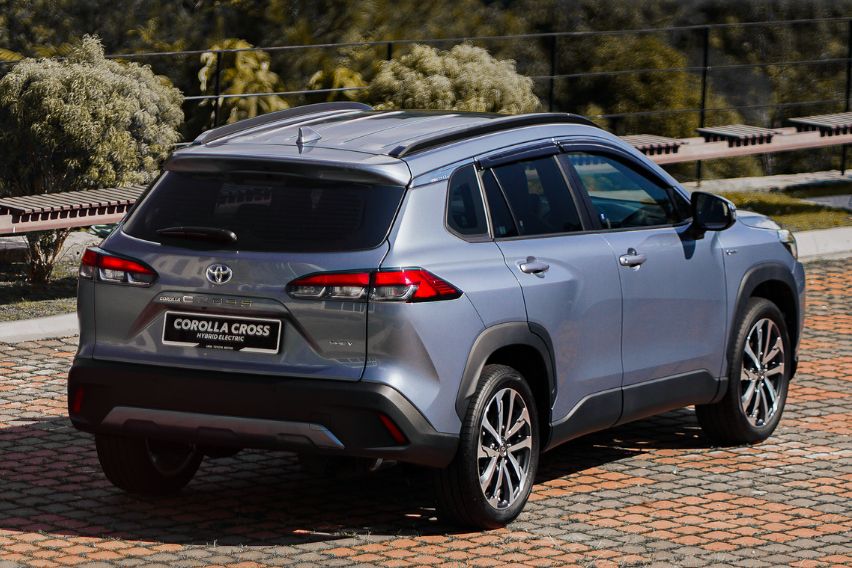 Photo from Toyota
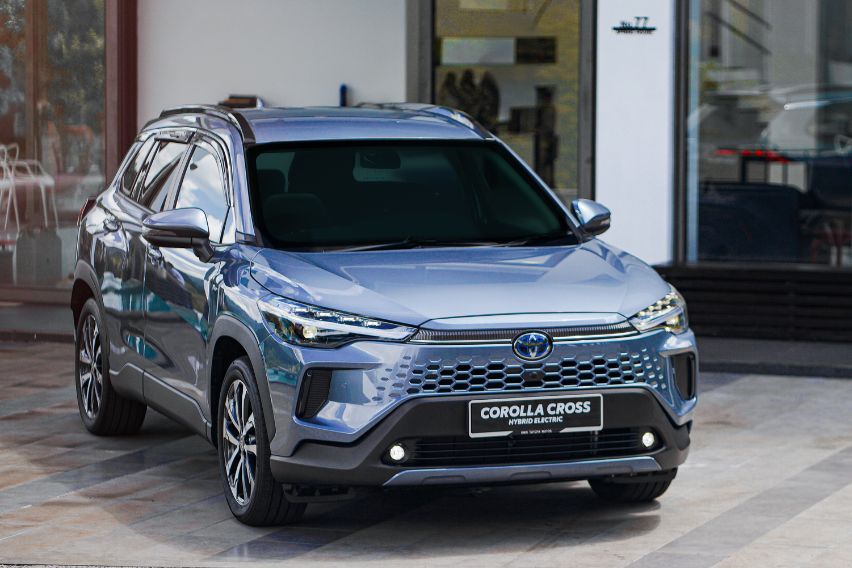
Map that thinking to real models and the picture gets clearer. The Corolla Cross Hybrid is the easy way in, locally assembled and already a common sight. It is quiet in the basement and composed in a Puchong snarl. The electric side does most of the work at low speed, then the petrol engine joins in smoothly when you need to go outstation. You still drive the same routes and keep the same habits, only now the car helps with less petrol, fewer fuel stops and quieter moments in traffic.
For big families, the Innova Zenix Hybrid changes the tone of a people mover. School bags, strollers, grandparents, luggage, all loaded. It still steps off cleanly because electric torque does not care if the car is full. City ramps and highway merges feel easier, and conversations in the second and third rows can happen at normal volume. At a cruise, the powertrain settles into a quiet rhythm that keeps everyone more relaxed.
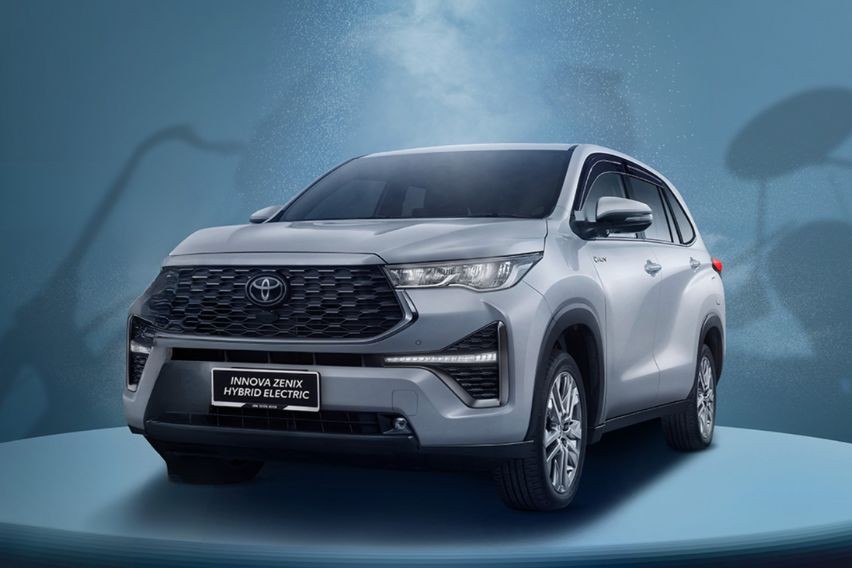 Photo from Toyota
If the Corolla Cross is the simple step into hybrids and the Innova Zenix is the quiet people mover, the Camry Hybrid is the long-distance sedan. Lower seating, a longer wheelbase and a more planted stance give it a different kind of calm. It settles on the highway the way a good sedan should, straight and unbothered with small steering inputs and very little cabin fuss. Ask for an overtake and you get a smooth swell of shove instead of a flare of noise, then it drops back into an easy cruise.
Inside, it feels grown up. The front seats are shaped for hours, not minutes, and the rear bench has proper legroom and thigh support so passengers arrive fresher. The boot is a proper sedan boot, deep and usable, so two golf bags or a week of luggage fit without a game of Tetris. For people who spend serious time on the road, the Camry Hybrid offers the same routes and habits, but with a different level of composure and quiet.
If you are torn between all the new electric options, the simplest starting point is still your daily life. Look at where you live, how you drive and how much flexibility you really have to plug in. If you live in a high rise without easy charging, spend most of your time in city traffic or have work that sends you on last-minute outstation runs, a Toyota hybrid lets you cut fuel use and emissions without ever hunting for a charger. Plug-in hybrids and full EVs still have their place for people with home charging and fixed routines, but for most Malaysian homes and jobs, a Toyota hybrid is the easiest way into electrification with the least homework.
Safety runs alongside all of this. Toyota Safety Sense has grown up on the same timeline as the hybrid systems. Pre-collision braking looks past the car in front when it can. Lane support helps when white paint has faded. Adaptive cruise takes the sting out of public-holiday crawls.
After you buy, the promise lives or dies at the service counter, and this is where UMW Toyota’s depth shows. Hybrid cooling, power electronics, diagnostics, none of it is exotic in their workshops, it is routine. Warranties on the hybrid components back up the confidence and the parts supply for locally assembled cars is predictable. Business owners care about uptime, families care about stable running costs, both get what they need.
There is also the small stuff you only notice once you live with a hybrid. That silent shove uphill feels like a small cheat and your passengers smile before you do. Toll-to-toll drives feel less fidgety because the powertrain is not hunting for gears. In a sudden downpour the cabin stays hushed and you catch yourself talking in a normal voice. These are small human wins that make the car feel new for longer.
This is where Toyota’s long game lands. Use hybrids for immediate, large-scale reductions without demanding new habits. Keep safety high, keep aftersales straightforward and keep options open so more Malaysians can join the transition instead of watching from the sideline.
On a random Thursday, hybrid leadership looks ordinary in the best way. You reach home less wound up, the fuel gauge barely moves in a week of errands and the service advisor treats hybrid checks as normal because here they are. A quiet start in a basement, a smooth pull to the toll, a car full of sleepy kids after dinner and a fuel receipt that makes you shrug instead of sigh. That is Toyota’s hybrid story in Malaysia: people first, tools that fit and a long view that includes everyone.
Also read: Toyota Hilux – Malaysia’s Undefeated Pickup Legend

KLIMS 2026


Malaysia Autoshow
Trending & Fresh Updates
- Latest
- Popular
-

-
-
-
-
-
-
-
-
-
Electric Car: A comprehensive buying guidePurva Jain, Jul 01, 2024
-
Must watch automotive movies for enthusiastsPurva Jain, Feb 21, 2024
-
Car Rust-proofing 101: All you need to knowPurva Jain, Feb 15, 2024


You might also be interested in
- News
- Featured Stories

Featured Cars
- Latest
- Upcoming
- Popular
-
 Jetour T2 i-DMRM 162,800 OTR Price Kuala LumpurEMI : RM 1,902 x 84Write a Review VIEW SEPTEMBER OFFERS
 -
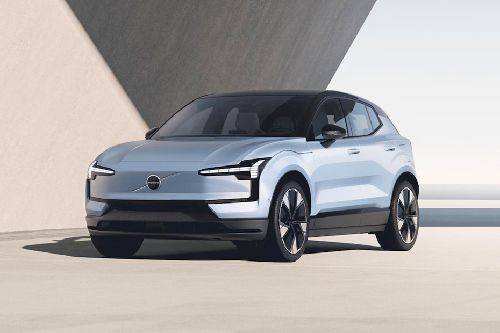
Volvo EX30RM 198,888 - 218,888 OTR Price Kuala LumpurEMI : RM 2,324 x 844.33 (9 Reviews) VIEW SEPTEMBER OFFERS
-
JAECOO J5 EVRM 118,800 OTR Price Kuala LumpurEMI : RM 1,387 x 84Write a Review VIEW SEPTEMBER OFFERS
-
Honda WR-VRM 94,900 - 104,900 OTR Price Kuala LumpurEMI : RM 1,108 x 843.95 (20 Reviews) VIEW SEPTEMBER OFFERS
-
Mitsubishi TritonRM 101,980 - 159,980 OTR Price Kuala LumpurEMI : RM 1,191 x 844.19 (52 Reviews) VIEW SEPTEMBER OFFERS

-
MINI ElectricRM 193,888 - 218,888 OTR Price Kuala LumpurEMI : RM 2,265 x 844.33 (15 Reviews) VIEW SEPTEMBER OFFERS
-
MINI 3 DoorRM 193,888 - 318,888 OTR Price Kuala LumpurEMI : RM 2,265 x 844.38 (26 Reviews) VIEW SEPTEMBER OFFERS
-
MINI John Cooper WorksRM 218,888 - 393,888 OTR Price Kuala LumpurEMI : RM 2,557 x 844.38 (13 Reviews) VIEW SEPTEMBER OFFERS
-
MINI Countryman ElectricRM 258,888 By Order Kuala LumpurEMI : RM 3,025 x 844.11 (8 Reviews) VIEW SEPTEMBER OFFERS
-
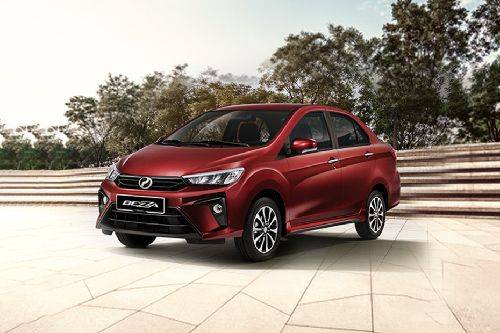
Perodua BezzaRM 34,580 - 49,980 OTR Price Kuala LumpurEMI : RM 404 x 844.19 (81 Reviews) VIEW SEPTEMBER OFFERS
Latest Car Videos on Zigwheels

-
Chery Tiggo 9 Review Malaysia – Is This the Best-Value 7-Seater AWD SUV?25 Aug, 2026 .
-
Jetour T1 1.5L: Tak laju, tapi tu bukan point dia | review Malaysia14 Aug, 2026 .
-
Proton e.MAS 7 PHEV Premium — the smartest car buy in Malaysia right now?25 Jun, 2026 .
-
Leapmotor B10 KL to Penang, Is This Sub-RM120k EV Enough for Everyone?11 May, 2026 .
-
First Drive GWM WEY G9, MPV Premium Paling Berbaloi Sekarang?11 May, 2026 .
-
2026 BMW i5 CKD Review Malaysia - Has BMW Built the EV for People Still Not Sold on EVs?10 Apr, 2026 .
-
Mitsubishi Xforce First Impressions Malaysia – Is This the Surprise SUV of 2026?24 Mar, 2026 .
-
2026 Perodua Traz Review – Is It Worth a Try?04 Feb, 2026 .
-
1 Tank, 3 Days, 1,200 KM… The Chery Tiggo 7 PHEV Actually Did It10 Dec, 2025 .
-
The Jaecoo J8 Might Be the Best SUV Under RM200k… Here’s Why!10 Dec, 2025 .