Malaysia’s 2026 new-car watchlist, 10 launches worth keeping tabs on
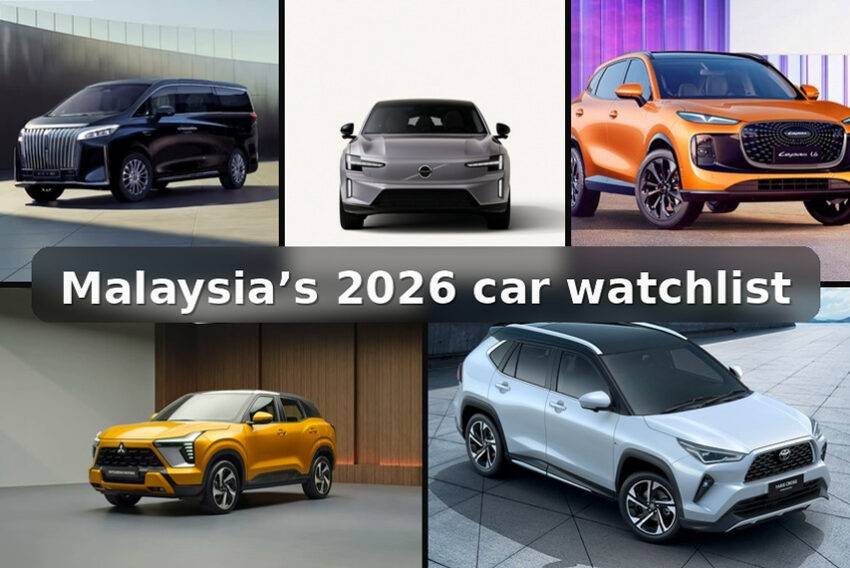
If 2025 felt like the year Malaysia finally settled into electrification, 2026 looks like the year brands start getting really confident with it.
KEY TAKEAWAYS
Are there more hybrids than EVs in this 2026 list?
Yes, because the mass-market battleground in Malaysia is still hybrid and PHEV, they deliver electric feel and lower fuel use without forcing everyone into charging habits.What’s the difference between hybrid, e-POWER, and PHEV?
Hybrid mixes engine + motor and self-charges, e-POWER drives the wheels with an electric motor while the engine generates electricity, PHEV adds a bigger battery and charging port so you can do more distance on electric power.Not just more EVs, but more varieties of electrification, self-charging hybrids, plug-in hybrids with serious torque, plus a couple of “mainstream hero” models that could shift what people buy day to day.
Below are ten nameplates that are already on the radar going into 2026. No rankings, no “best to worst”, just a simple question, what’s coming, what’s under the bonnet, and what makes each one genuinely interesting.
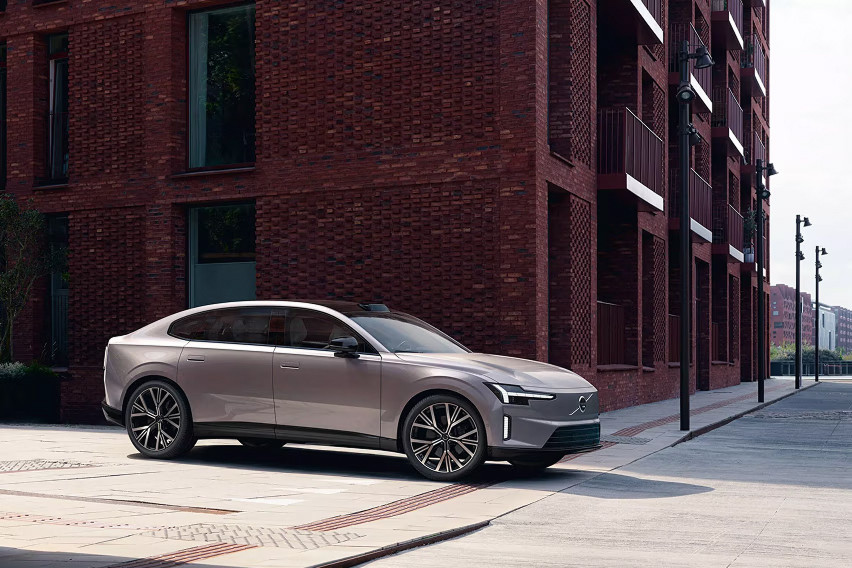 Photo from Volvo
Volvo ES90
Volvo is positioning the ES90 as a technological flagship, basically the “we can do a modern premium EV sedan, our way” statement piece. When it lands here in 2026, it will sit in that space where buyers cross-shop the German exec EVs, but want something a bit more Scandinavian and less shouty.
Specs (global previewed details)
-
Powertrain: EV (SPA2 architecture), single motor RWD or dual motor AWD
-
Output:
-
Single motor: 333 PS, 480 Nm
-
Twin motor: 449 PS, 670 Nm
-
Twin motor Performance: 680 PS, 870 Nm
-
-
Battery and range (claimed): 92 kWh (up to 650 km), 111 kWh (up to 700 km)
-
Transmission: Single-speed reduction (typical EV setup)
What’s special
Volvo’s angle is less “look at my horsepower” and more “look at the whole system.” This car also leans on 800V charging architecture, with Volvo claiming it can add up to 300 km of range in 10 minutes at a 350 kW charger, plus 10 to 80% in 20 minutes.
That’s the kind of charging headline that matters for Malaysian reality, where you want to minimise your time queueing at a DC bay on a balik kampung weekend.
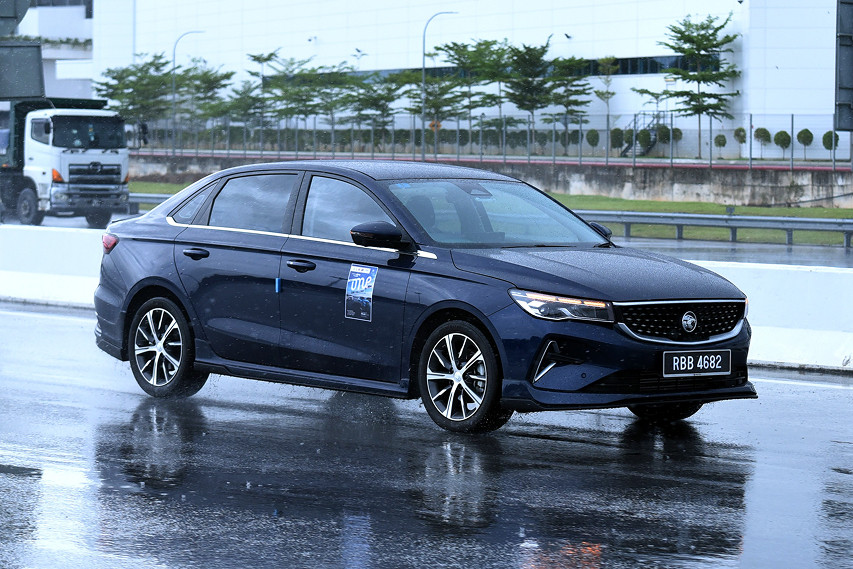
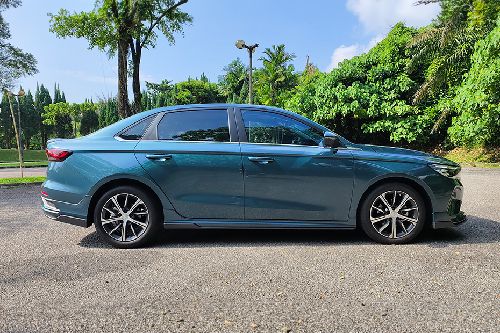
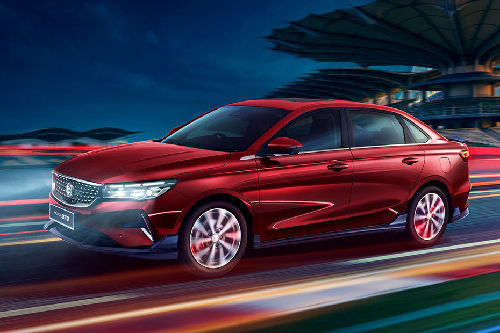
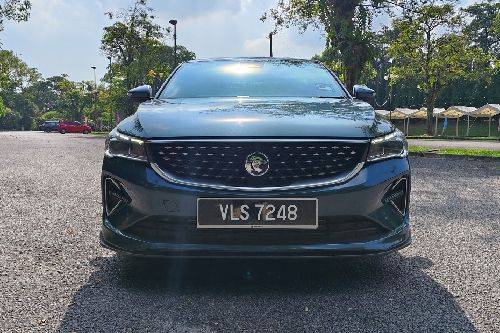
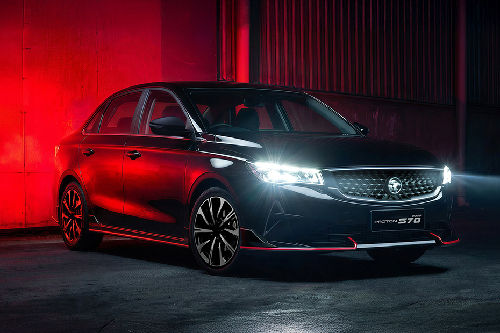
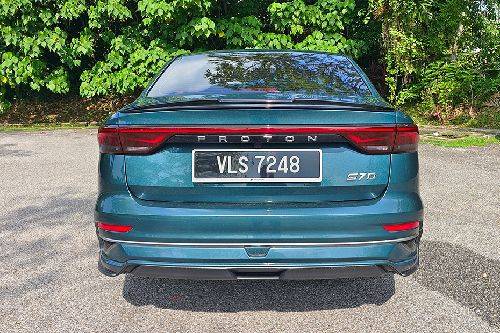
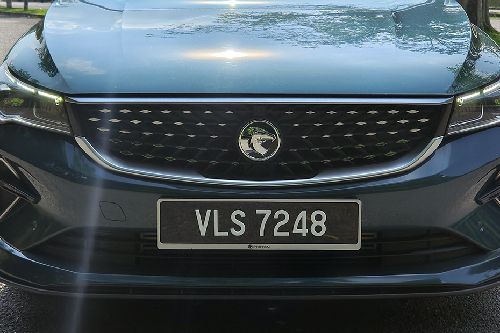
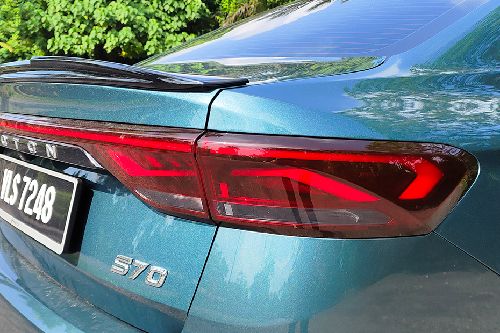
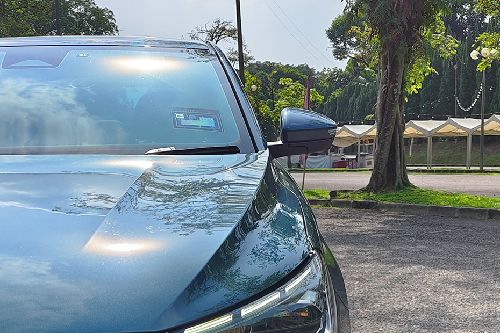
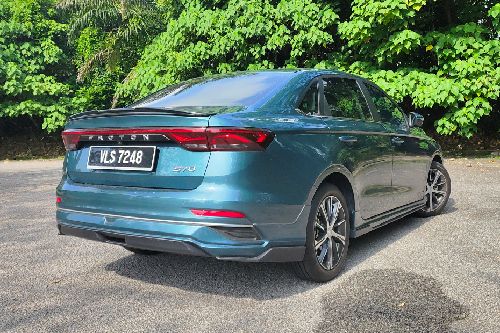
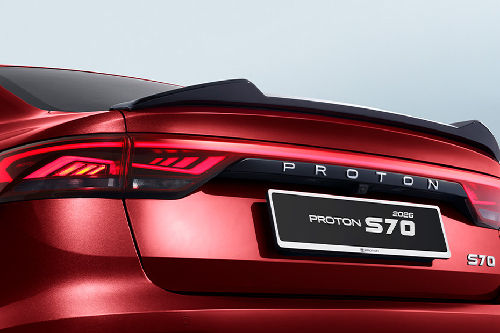
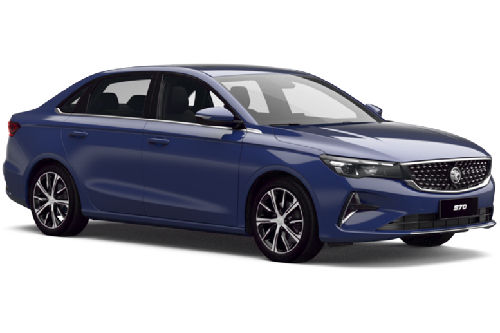
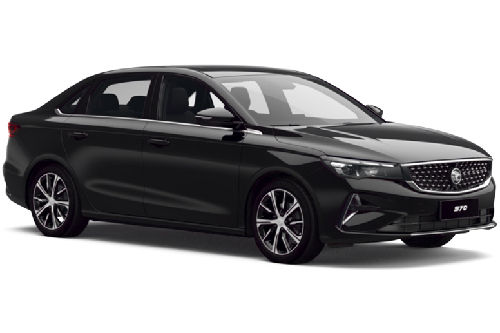
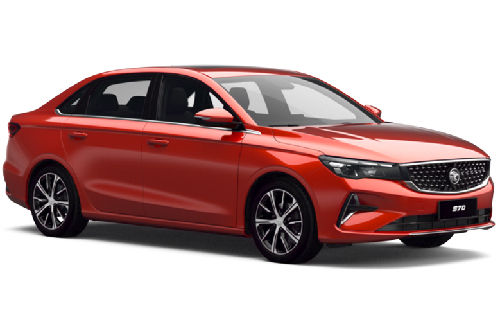
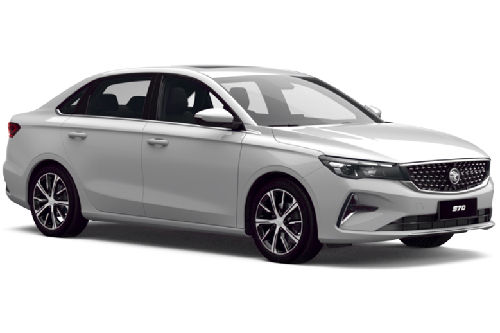
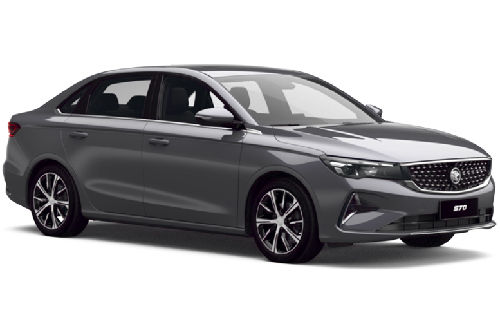
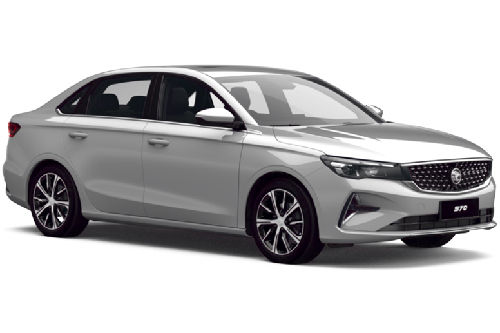
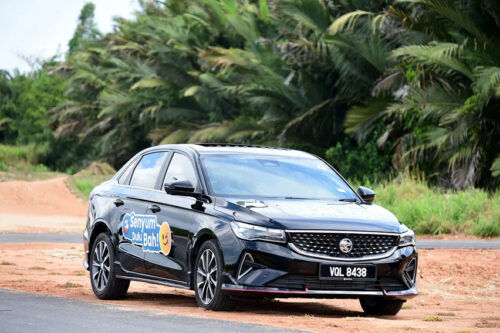
Proton S70 MC1
The S70 is already a big deal because it’s Proton taking a proper swing at the “serious sedan” space again. The MC1 update is where it gets spicy, because it’s not just trim and colours, it’s the engine.
Specs (what’s confirmed, and what’s on the current car)
-
Powertrain (current S70): 1.5L turbo 3-cylinder petrol
-
Output (current S70): 150 PS, 226 Nm
-
Transmission (current S70): 7-speed dual-clutch (DCT)
-
Powertrain (S70 MC1, reported): Proton has been reported to be switching the S70 to the 1.5 i-GT turbo 4-cylinder used in the updated X50
-
Output (S70 MC1, reported): 181 PS, 290 Nm
What’s special
The headline is simple, more power, more torque, and a four-cylinder. For Malaysian buyers, that’s not just a spec-sheet flex, it’s also a perception thing
A four-cylinder turbo feels “proper” to a lot of people shopping this segment, especially those coming from older Civics, Corollas, and Mazdas.
Transmission details for the MC1 package will only be truly settled once Proton drops the final spec sheet, but the current S70 runs a 7DCT, and the updated X50’s 1.5 i-GT also pairs to a 7DCT.
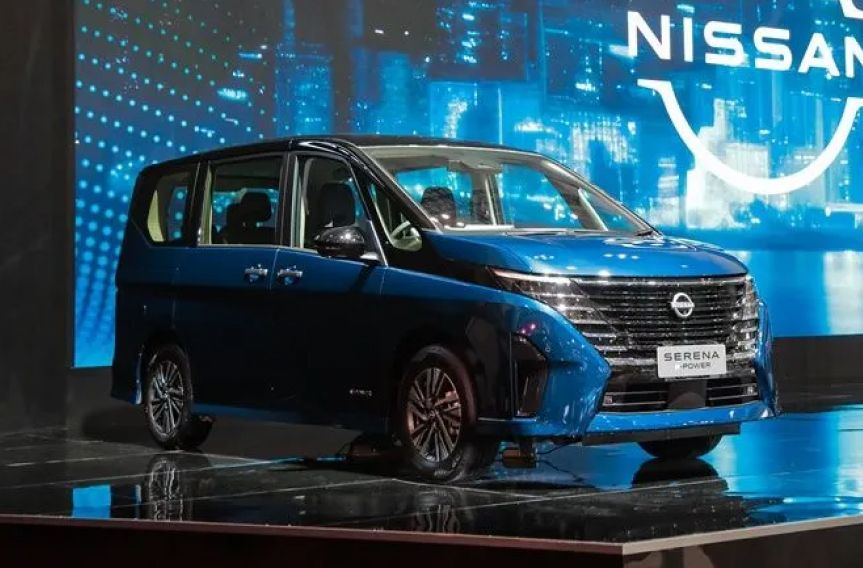 Photo by Adam Aubrey
Nissan Serena e-POWER (C28)
The Serena is the classic Malaysian family MPV choice, and e-POWER is Nissan’s attempt to sell you an EV driving feel without the “bro, where do I charge?” anxiety.
Specs (Malaysia preview details)
-
Powertrain: Nissan e-POWER series-hybrid, engine acts as generator only
-
Engine: 1.4L NA 3-cylinder, 98 PS, 123 Nm (generator)
-
Electric motor (drives wheels): 163 PS, 315 Nm, front-wheel drive
-
Battery: 1.77 kWh lithium-ion
-
Transmission: None in the conventional sense (no mechanical link engine-to-wheels)
-
Local plan: Nissan said the C28 Serena e-POWER is targeted for Feb to March 2026, and it is positioned as the first locally-assembled e-POWER model here
What’s special
It’s the “dad-spec EV” in a way, instant torque for everyday driving, smoother low-speed crawl in traffic, and none of the CVT rubber-band complaints because it doesn’t work like a typical petrol drivetrain. If ETCM prices it smart, it could become the default “new family MPV” conversation starter again.
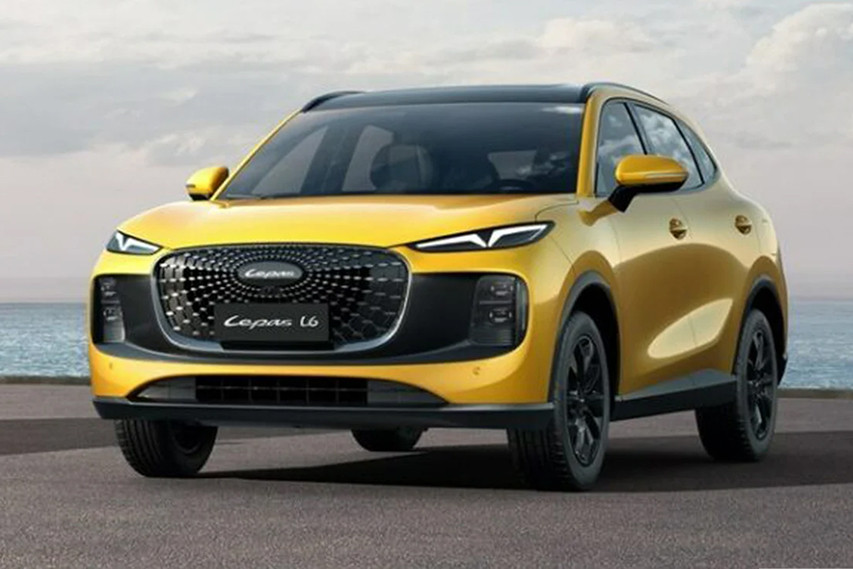 Photo from Lepas
Lepas L6
This one is the wildcard. Lepas is a new brand under the Chery umbrella, and the L6 is part of the first wave of product meant to scale quickly. What matters for Malaysia is simple, new brands are launching fast here, and if Lepas comes in with the right pricing and the right powertrain, it becomes another real option on the shortlist.
Specs (what we can say today)
Lepas has talked about its first products including the L8, and that gives us a hint of the mechanical direction, namely electrified powertrains and modern hybrid transmissions.
The L8 has been mentioned with a 1.5L PHEV setup delivering 275 PS and 365 Nm. For the L6 specifically, full market-ready specs are still thin on the ground in public sources, so treat detailed outputs as pending until the brand releases the final sheet.
What’s special
The appeal is less about “brand heritage” and more about “spec-per-ringgit and packaging.” If Lepas brings the kind of cabin tech and safety suite we’ve seen across Chery’s newer models, it could be another strong value play, especially if it slots neatly between the Tiggo Cross and Tiggo 8-type sizing.
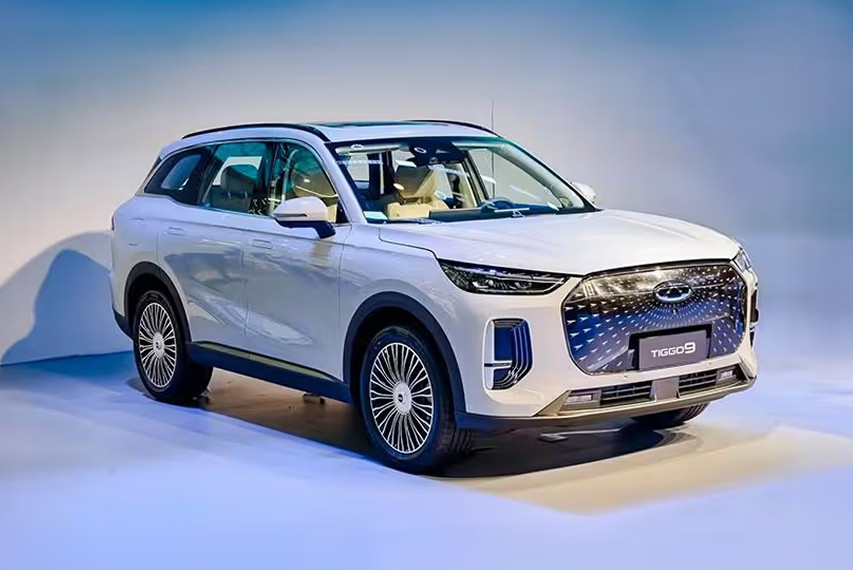 Photo from Chery
Chery Tiggo 9 (CSH PHEV)
If you want a single sentence, Tiggo 9 is Chery’s “big SUV, big energy” answer, and the numbers are not shy.
Specs (Malaysia confirmation details)
-
Powertrain: Plug-in hybrid (Chery Super Hybrid system)
-
Engine: 1.5L turbo, 156 PS, 220 Nm
-
Electric motors: combined e-motor output listed as 224 PS, 390 Nm, front wheels driven by the motors
-
Combined output: 381 PS, 610 Nm
-
Transmission: Not spelled out in the Malaysia confirmation write-up, mechanical layout details should be checked against the eventual local spec sheet
What’s special
610 Nm is the kind of torque figure that used to live in big German diesels and V8s, and now it’s showing up in a family SUV with a charging port. That matters for Malaysia because torque is the everyday sensation people actually feel, overtakes, slopes, loaded car, aircon on full blast, plus the “I didn’t even try, it just moved” vibe.
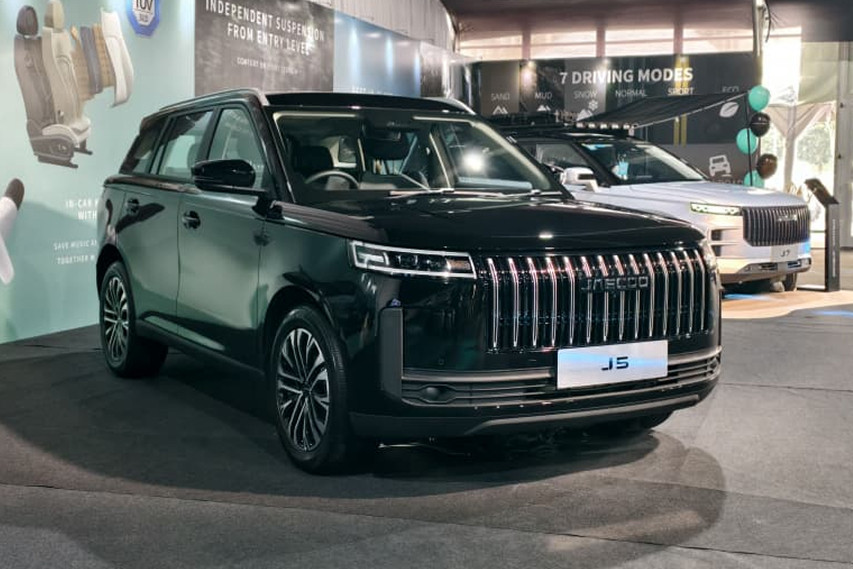 Photo by Adam Aubrey
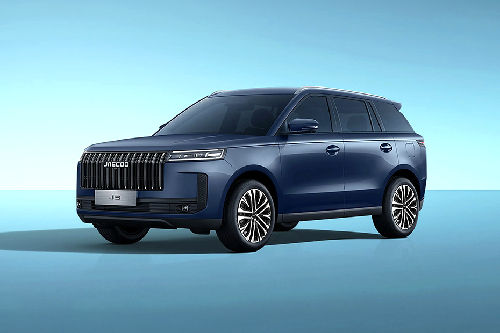
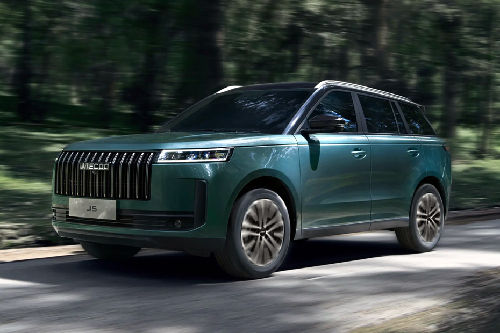
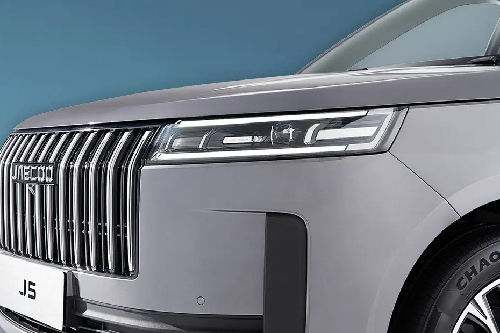
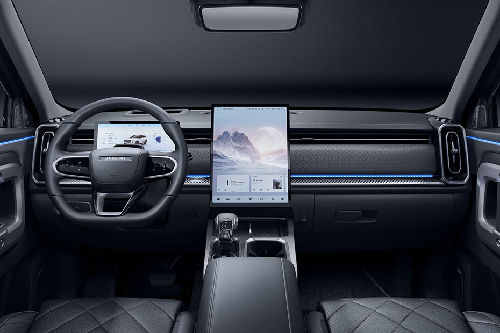
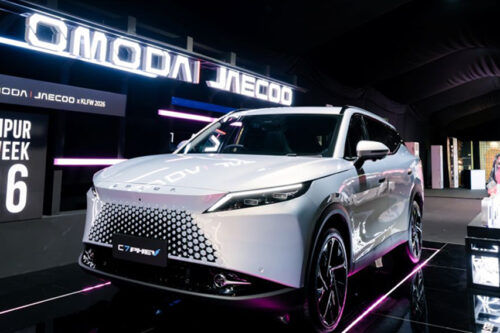
Jaecoo J5
The J5 is interesting because it aims straight at the sweet spot, compact SUV size, tough-ish design, and a simple turbo petrol drivetrain that most Malaysians understand.
Specs (previewed details)
-
Engine: 1.5L turbo, 147 PS, 210 Nm
-
Transmission: CVT
-
Drive: Front-wheel drive
What’s special
Jaecoo’s whole positioning is “attainable premium with an outdoorsy streak,” and the J5 is the smaller, more urban-friendly expression of that idea. If they nail cabin practicality, safety kit, and after-sales confidence, the J5 becomes the kind of car you see everywhere within six months, the same way some other new China-brand SUVs have managed recently.
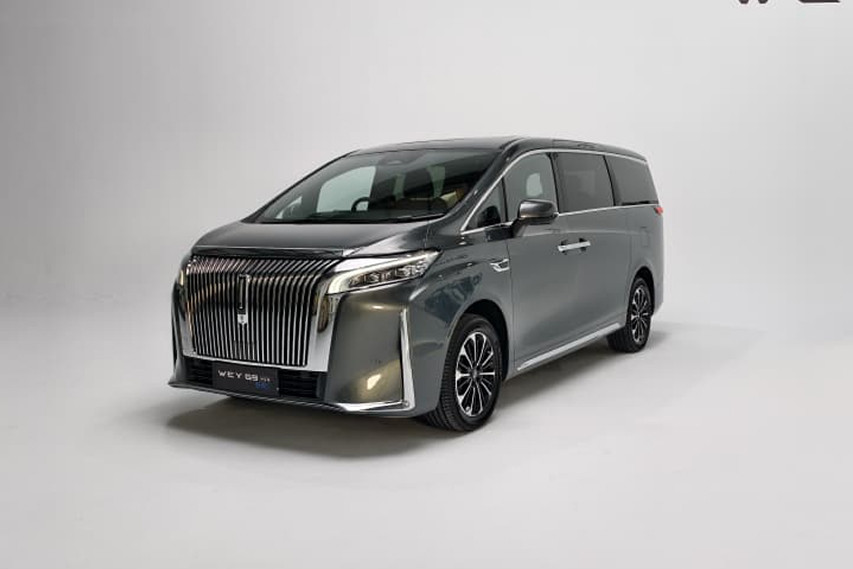 Photo by Adam Aubrey
GWM WEY G9 (PHEV MPV)
This is the “Alphard rival” headline-maker, and it’s not hiding what it wants to be, a premium MPV with proper plug-in hybrid grunt, and serious equipment.
Specs (Malaysia plan)
-
Powertrain: Hi4 plug-in hybrid, AWD
-
Engine: 1.5L turbo 4-cylinder, 150 PS, 240 Nm
-
Transmission: 4-speed dedicated hybrid transmission (DHT)
-
Electric motors: front motor 109 PS, 170 Nm, rear motor 184 PS, 232 Nm
-
Combined output: 442 PS, 642 Nm
-
Battery: 44.2 kWh NMC, quoted EV range 170 km (NEDC)
-
Malaysia timing: Launch mentioned as early 2026, with CKD units rolling off the local line and bookings opened
What’s special
It’s the first time we’re seeing this level of “mega MPV” positioning from a Chinese brand with local assembly and a proper plug-in hybrid system. And the equipment list is the type that turns family road trips into a living room session, think big screens, ottomans, fridge, and the whole cinematic lounge experience.
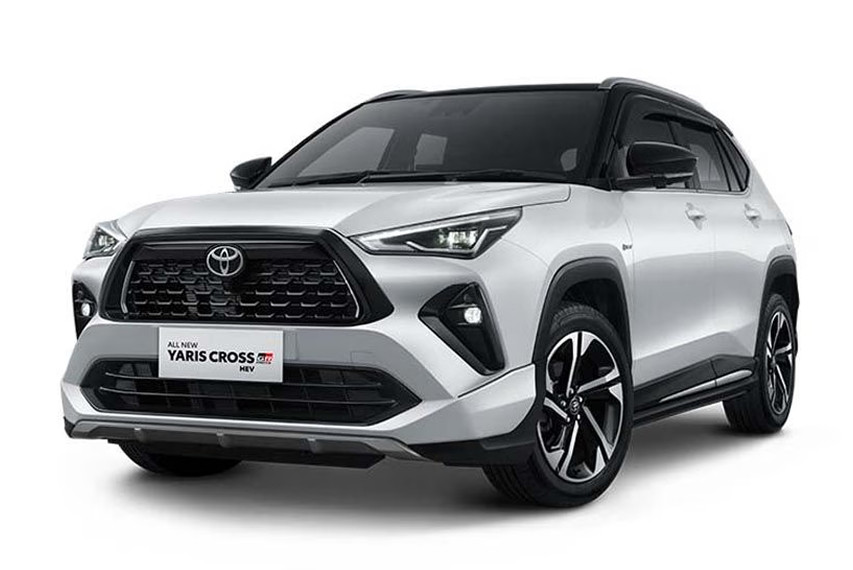 Photo from Toyota
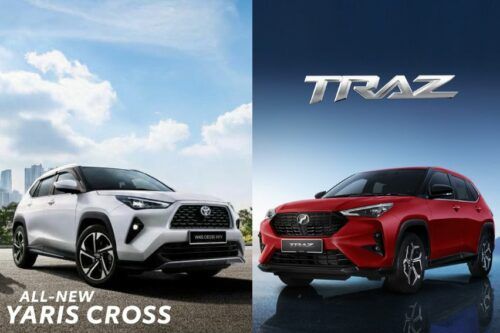
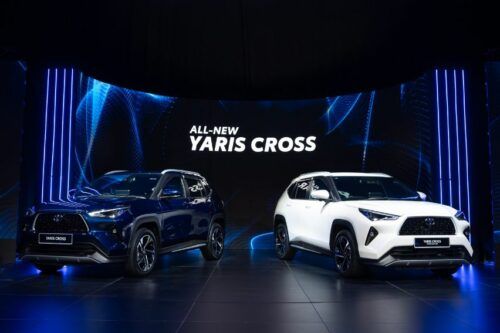
Toyota Yaris Cross HEV
Malaysia still doesn’t have a Toyota-badged Yaris Cross, but the hybrid version is exactly the kind of “urban SUV + low running costs” combo that fits UMW Toyota’s hybrid narrative.
Specs (Thailand reference)
-
Hybrid system: 1.5L NA petrol plus e-motor
-
Engine output: 91 PS, 121 Nm
-
Electric motor: 80 PS, 141 Nm
-
Combined system output: 111 PS
-
Transmission: E-CVT
-
Drive: FWD
What’s special
The Yaris Cross HEV isn’t a muscle car, it’s a “get on with life” car, and that’s a compliment. It’s compact enough for KL parking pain, tall enough for Malaysian roads, and hybrid enough to calm the weekly fuel bill anxiety without forcing you into charging habits.
Also, once Perodua has already proven appetite in this size class, the Toyota badge plus hybrid tech becomes a logical next step for buyers who want the same footprint with a different flavour.
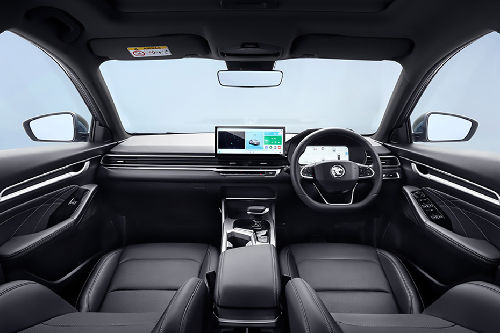
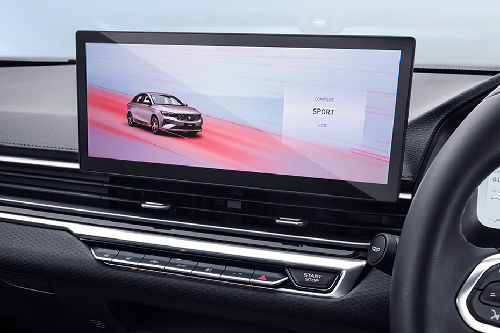
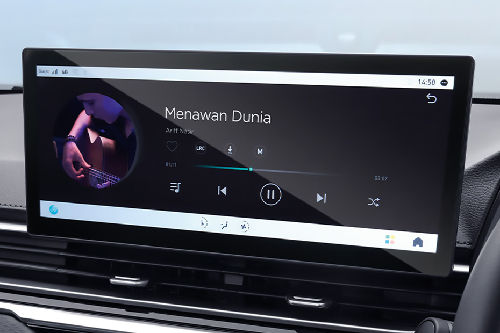
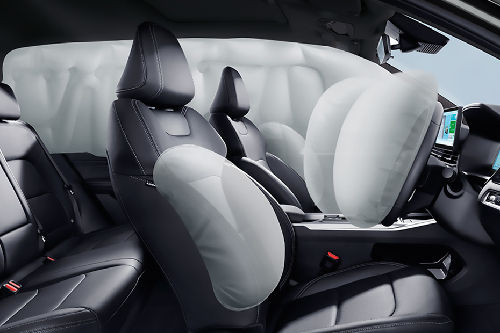
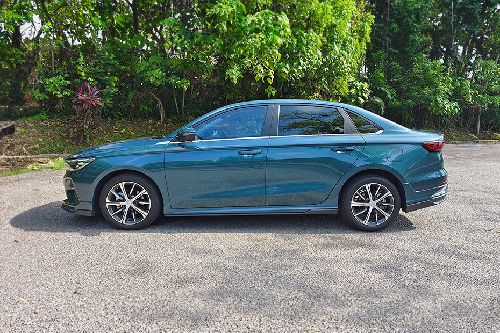
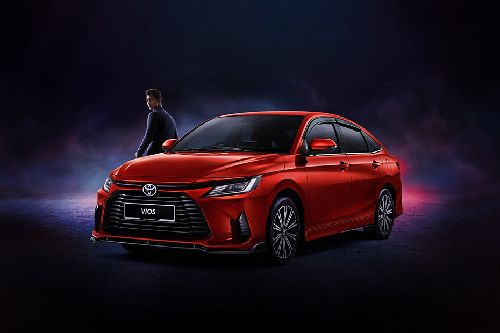
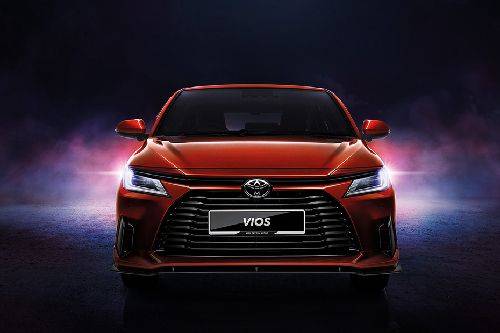
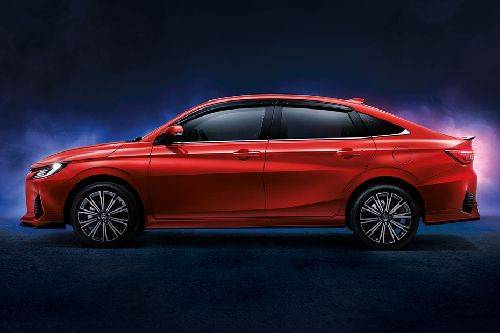
Toyota Vios HEV
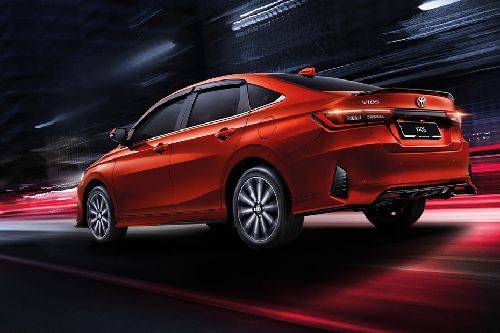
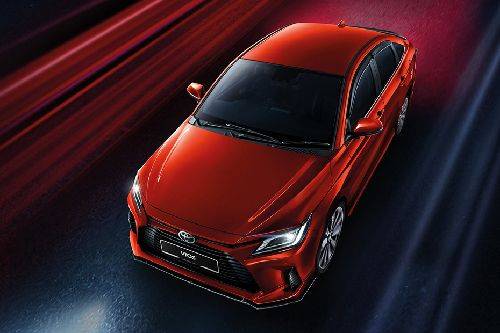
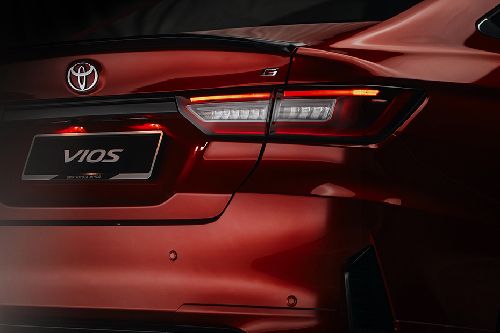
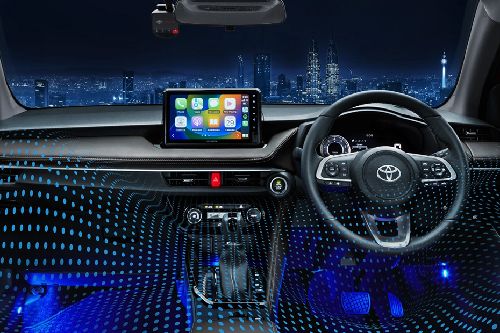
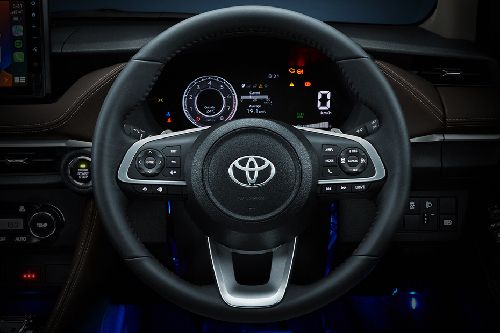
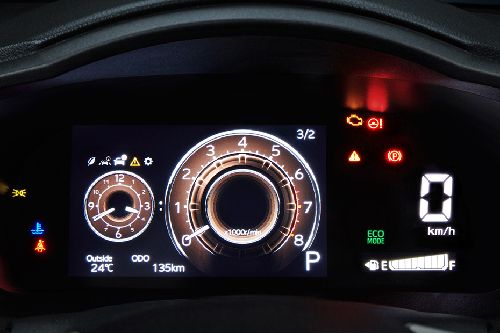
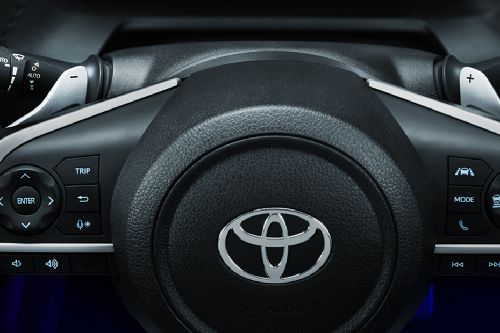
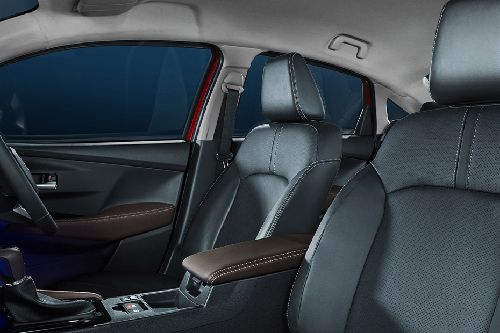
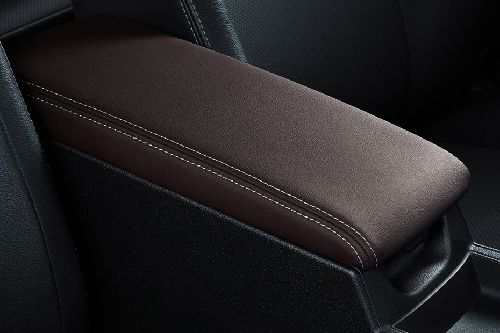
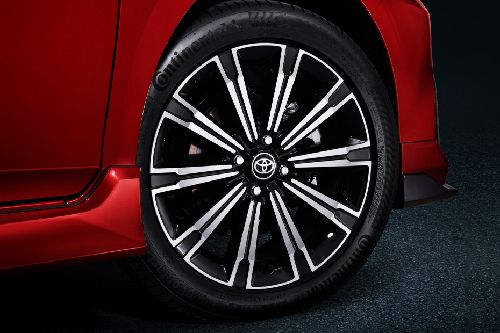
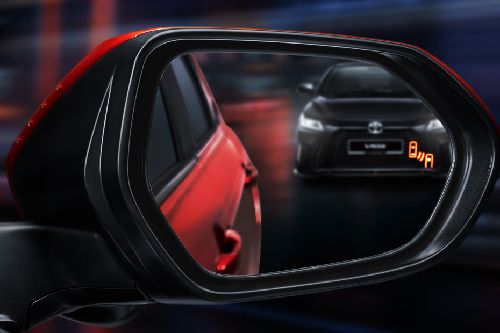
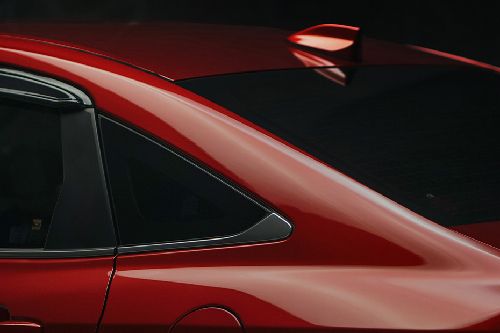
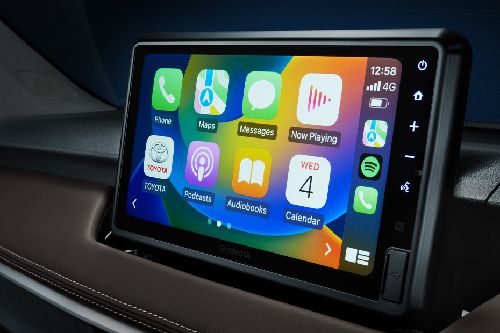
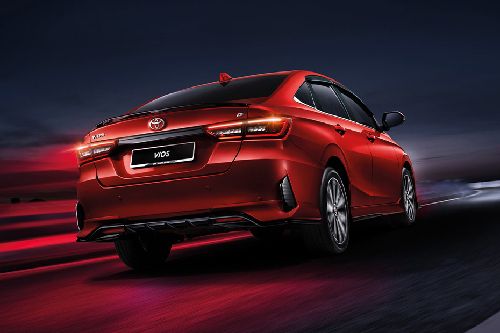
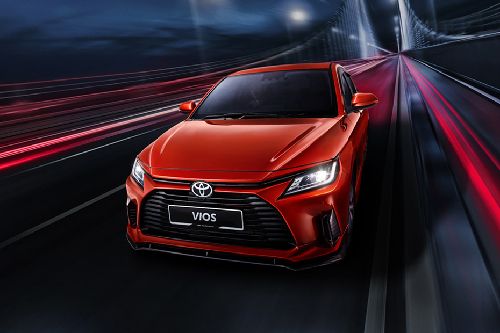
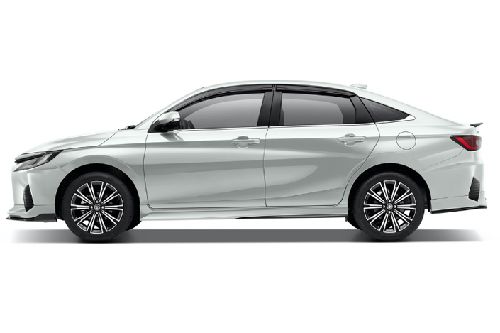
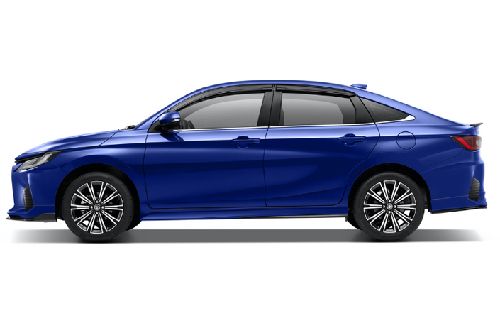
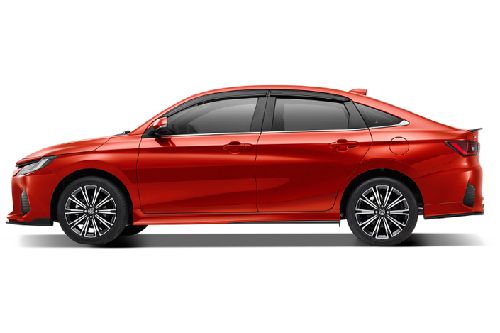
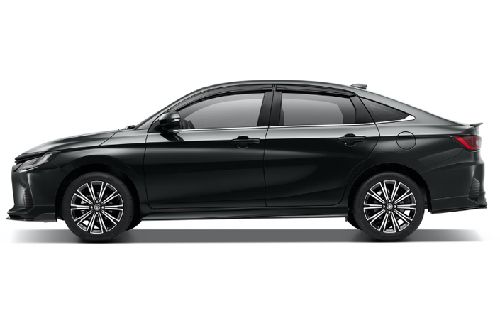
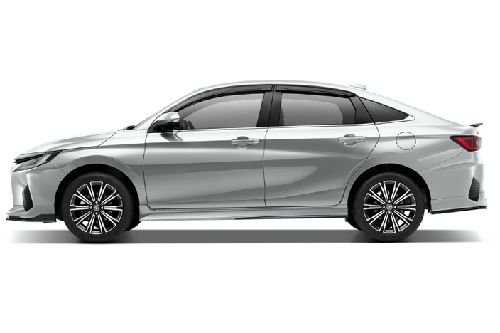
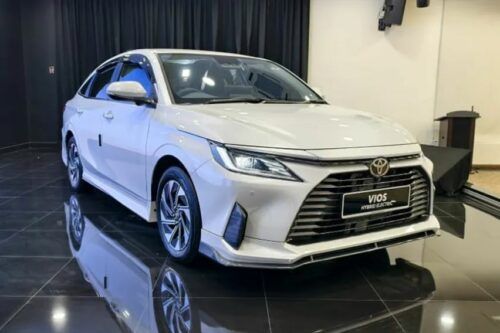
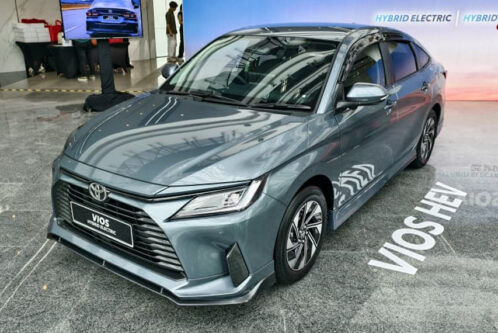
This is one of the most realistic “big impact” candidates for 2026. A Vios Hybrid is basically Toyota saying, “okay, we are bringing hybrid down to where the volume is.”
Specs
-
Hybrid system: 1.5L petrol hybrid with 111 PS system output
-
Transmission: E-CVT
-
Malaysia angle: The Vios Hybrid has been sighted in Malaysia, and local launch chatter points to two variants being considered
What’s special
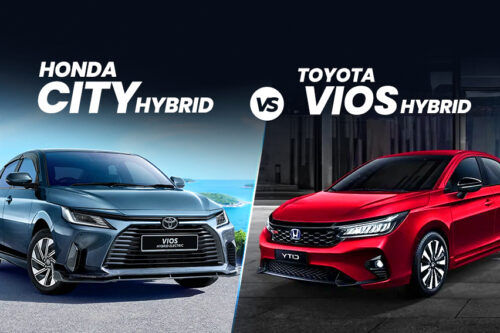
If Toyota prices it right, the Vios HEV becomes the “hybrid for normal people,” not a badge-flex, not a tech demo, just a sedan that is familiar, cheap to run, and easy to live with. In a market where the Honda City e:HEV has already planted the idea in buyers’ heads, Toyota bringing Vios into the hybrid fight is exactly the sort of 2026 plot twist that actually changes traffic.
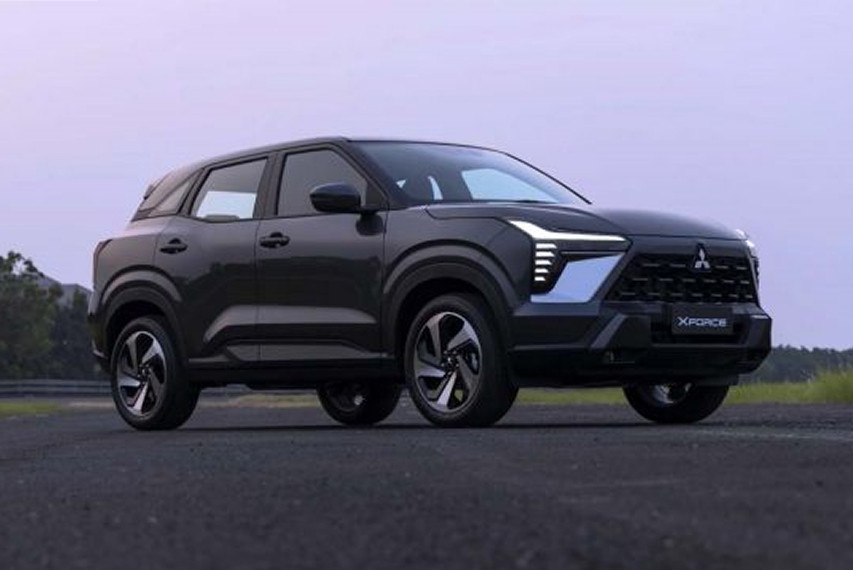 Photo from Mitsubishi
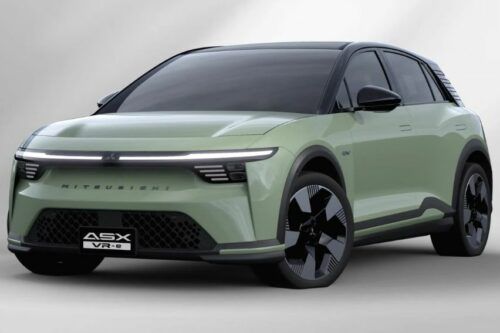
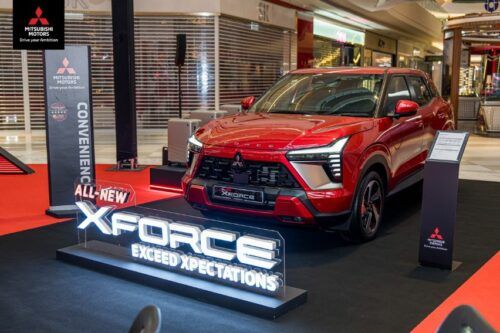
Mitsubishi Xforce
The Xforce is built specifically with ASEAN road reality in mind, and Mitsubishi has been pretty open about the “we tuned this for your conditions” message.
Specs (official Indonesia-spec reference)
-
Engine: 1.5L DOHC 16V MIVEC (4A91), 77 kW, 141 Nm
-
77 kW works out to about 105 PS
-
Transmission: CVT
-
Drive: 2WD (front drive)
-
Special chassis tech: Active Yaw Control (AYC) integration, plus Wet mode, alongside Normal, Gravel, Mud
What’s special
Wet mode is a very Southeast Asia idea, because we all know that sudden rain plus shiny road paint plus a roundabout is where confidence goes to die. Mitsubishi’s pitch is that it integrates AYC, traction control, engine and steering control to help stability on wet roads, even flooded patches. If Mitsubishi Malaysia finally decides to bring it in, it fills a gap for buyers who want something compact and practical, but with a brand story that still screams durability.
The big 2026 theme, electrification goes mainstream, not just premium
Put these ten cars together and the pattern is obvious. EVs are still the halo products (hello, ES90), but the real battleground is hybrids and plug-in hybrids, because that’s where the mass market is more comfortable spending money right now.
You get that “electric feel” without committing to a charging lifestyle, and you still have petrol for the long runs.
The fun part is, 2026 won’t just be “more new launches,” it will be “more choices that actually fit Malaysian routines,” school runs, jam, toll booths, and the occasional genting climb with a full load and a full stomach.














Toyota Vios Related Stories
- News
- Featured Stories
- Expert Review
-
 UMW Toyota records 6.75% growth in March 2026; wraps up Q1 at 15,370 units
KUALA LUMPUR: UMW Toyota has revealed its sales numbers for March 2026. During the last month of the first quarter,...
Read MoreSippi Vig, Apr 15, 2026 -
UMW Toyota delivers 4,856 units in Feb 2026, expands hybrid lineup and network
KUALA LUMPUR: UMW Toyota sold a total of 4,856 units in February 2026, bringing the year-to-date total to 9,556 units....
Read MoreSippi Vig, Mar 11, 2026 -
Toyota Vios HEV in Malaysia,from RM103,900
KUALA LUMPUR: UMW Toyota Motor (UMWT) has officially pushed the Toyota Vios into the hybrid era in Malaysia with the...
Read MoreAdam Aubrey, Jan 29, 2026
-
10 Most searched cars on Zigwheels Malaysia in 2025
The year 2025 was quite an eventful year for the Malaysian automotive industry, with several new launches, capturing attention from...
Read MoreSippi Vig, Jan 08, 2026 -
Malaysia’s best-selling cars in 2025: A look at the top performers
Malaysia secured second place in total vehicle sales in the ASEAN region in 2024, with total industry volume of 816,747...
Read MoreSippi Vig, Dec 16, 2025 -
You will not be satisfied until you own a Toyota
Ask any Malaysian about their first road trip memory, and chances are, there’s a Toyota somewhere in the background. Maybe...
Read MoreAdam Aubrey, Sep 18, 2025


-
Review: Toyota Vios HEV - The boring badge that actually isn't
There's a particular kind of prejudice that exists in the Malaysian car buying world, and it goes something like this:...
Read MoreAdam Aubrey, May 20, 2026 -
Review: 2024 Proton S70 Flagship X - Redefining family comfort in a compact sedan
If you're considering buying a compact sedan, the Proton S70 should be considered at the top of your list. While...
Read MoreAdam Aubrey, May 28, 2024
Toyota Car Models
-

Toyota Veloz -
Toyota Yaris -
Toyota Vios -
Toyota Corolla Cross -
Toyota Hilux -
Toyota Rush -
Toyota Yaris Cross -
Toyota Fortuner -
Toyota Innova Zenix -
Toyota Harrier

Don't Miss

KLIMS 2026


Malaysia Autoshow
Trending & Fresh Updates
- Latest
- Popular
-

-
-
-
-
-
-
-
-
-
Electric Car: A comprehensive buying guidePurva Jain, Jul 01, 2024
-
Must watch automotive movies for enthusiastsPurva Jain, Feb 21, 2024
-
Car Rust-proofing 101: All you need to knowPurva Jain, Feb 15, 2024




-
-
-
New Leapmotor showroom opens in Petaling JayaSippi Vig, Aug 10, 2026
-
-
-
-
-
-
You might also be interested in
- News
- Featured Stories
-
Chery opens new-gen 3S centre in Alor SetarSippi Vig, Aug 13, 2026
-
-
-
-
-



Toyota Featured Cars
- Latest
- Upcoming
- Popular
-
Toyota Yaris CrossRM 99,900 - 109,900 OTR Price Kuala LumpurEMI : RM 1,167 x 844 (1 Reviews) VIEW AUGUST OFFERS
-
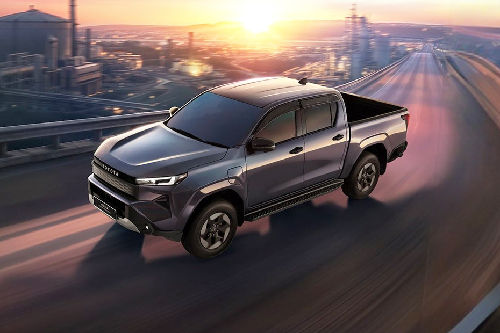
Toyota Hilux BEVRM 226,300 OTR Price Kuala LumpurEMI : RM 2,644 x 84Write a Review VIEW AUGUST OFFERS
-
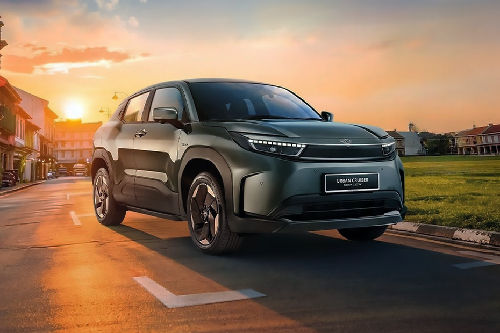
Toyota Urban Cruiser EVRM 198,000 OTR Price Kuala LumpurEMI : RM 2,313 x 84Write a Review VIEW AUGUST OFFERS
-
-
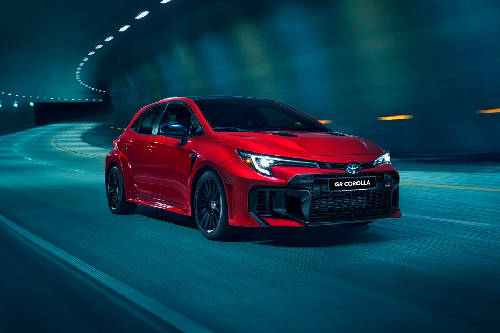
Toyota GR CorollaRM 367,000 - 378,950 OTR Price Kuala LumpurEMI : RM 4,289 x 844.48 (21 Reviews) VIEW AUGUST OFFERS
-
Toyota Vellfire HEVRM 549,900 OTR Price Kuala LumpurEMI : RM 6,426 x 845 (1 Reviews) VIEW AUGUST OFFERS
-
-
-
Toyota Alphard HEVRM 570,000 Expected Price Kuala LumpurExpected Launch TBA Alert Me When Launched
-
Toyota VelozRM 95,000 OTR Price Kuala LumpurEMI : RM 1,110 x 844.44 (34 Reviews) VIEW AUGUST OFFERS
-
Toyota YarisRM 70,490 OTR Price Kuala LumpurEMI : RM 1,028 x 844.28 (63 Reviews) VIEW AUGUST OFFERS
-
Toyota Corolla CrossRM 130,900 - 146,000 OTR Price Kuala LumpurEMI : RM 1,529 x 844.26 (47 Reviews) VIEW AUGUST OFFERS
-
Toyota HiluxRM 103,880 - 169,080 OTR Price Kuala LumpurEMI : RM 1,213 x 844.29 (69 Reviews) VIEW AUGUST OFFERS
-
Toyota RushRM 93,000 - 97,000 OTR Price Kuala LumpurEMI : RM 1,086 x 844.27 (61 Reviews) VIEW AUGUST OFFERS
Compare & Recommended
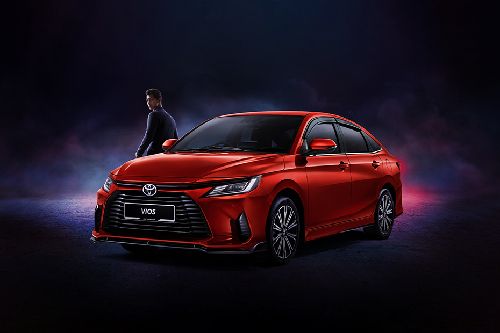
Toyota Vios
RM 89,600 - 95,500
Vios Price
|
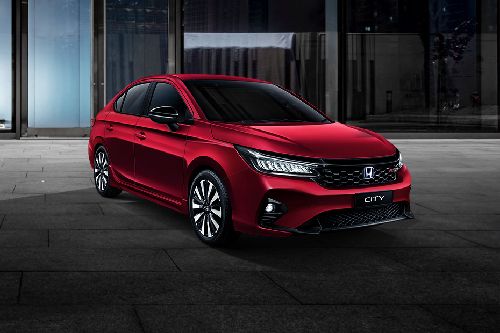
|
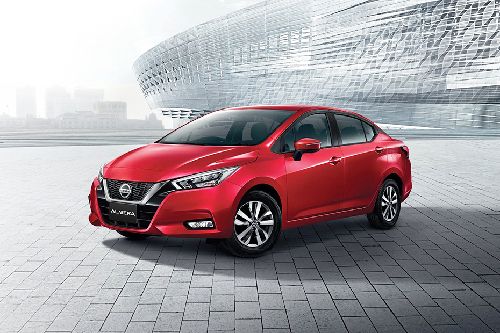
|
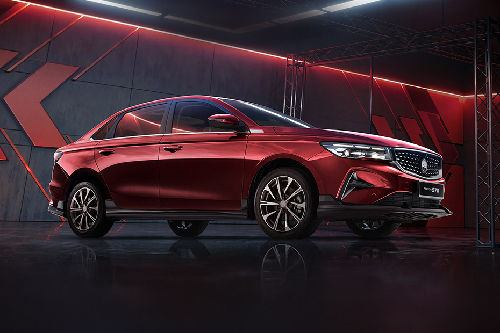
|

|
|
Seating Capacity
5
|
5
|
5
|
5
|
5
|
|
Fuel Type
Petrol
|
Petrol
|
Petrol
|
Petrol
|
Petrol
|
|
Engine
1496
|
1498
|
999
|
1499
|
1498
|
|
Power
106
|
119
|
99
|
179
|
112
|
|
Torque
138 Nm
|
145 Nm
|
152 Nm
|
290 Nm
|
150 Nm
|
|
Transmission Type
CVT
|
CVT
|
CVT
|
Dual Clutch
|
CVT
|
|
|
Trending Sedan
- Latest
- Upcoming
- Popular
-
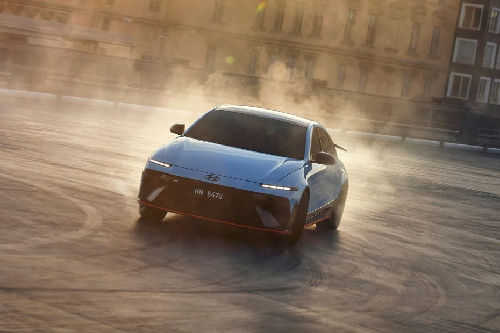
Hyundai Ioniq 6 NRM 449,888 OTR Price Kuala LumpurEMI : RM 5,257 x 84Write a Review VIEW AUGUST OFFERS
-
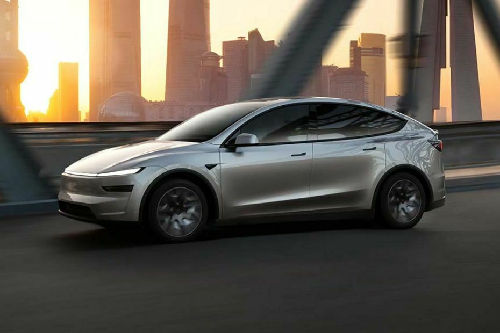
Tesla Model Y LRM 260,000 OTR Price Kuala LumpurEMI : RM 3,038 x 84Write a Review VIEW AUGUST OFFERS
-
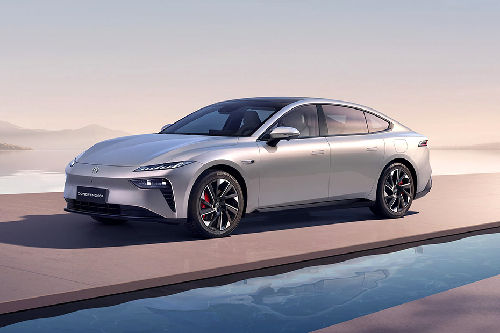
Dongfeng 007RM 169,888 - 195,888 OTR Price Kuala LumpurEMI : RM 1,985 x 84Write a Review VIEW AUGUST OFFERS
-
-
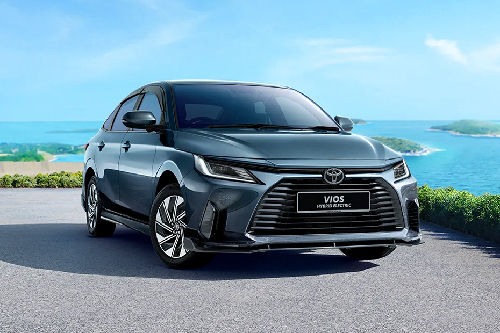
Toyota Vios Hybrid ElectricRM 103,900 Expected Price Kuala LumpurEMI : RM 1,213 x 84Write a Review VIEW AUGUST OFFERS
-
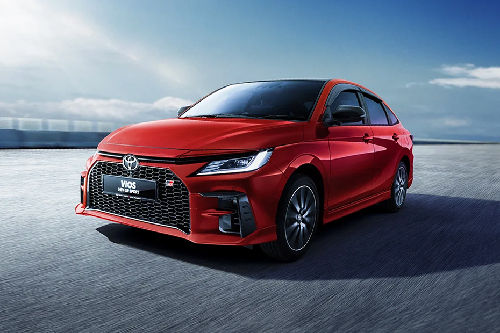
Toyota Vios HEV GR SportRM 109,900 Expected Price Kuala LumpurEMI : RM 1,284 x 84Write a Review VIEW AUGUST OFFERS
-
-
-
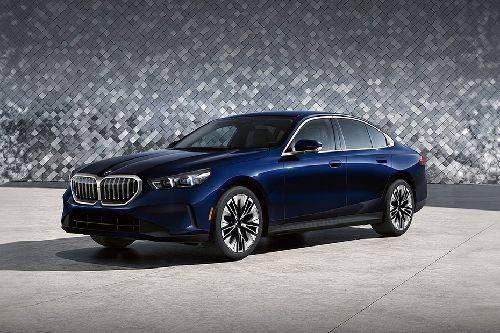
BMW 5 Series SedanRM 332,800 - 349,800 OTR Price Kuala LumpurExpected Launch TBA Alert Me When Launched
-
-
-
-
Perodua BezzaRM 34,580 - 49,980 OTR Price Kuala LumpurEMI : RM 404 x 844.19 (81 Reviews) VIEW AUGUST OFFERS
-
Honda CityRM 84,900 - 111,900 OTR Price Kuala LumpurEMI : RM 991 x 844.23 (70 Reviews) VIEW AUGUST OFFERS
-
Toyota ViosRM 89,600 - 95,500 OTR Price Kuala LumpurEMI : RM 1,047 x 844.17 (71 Reviews) VIEW AUGUST OFFERS
-
Proton S70RM 68,800 - 89,800 OTR Price Kuala LumpurEMI : RM 803 x 843.97 (30 Reviews) VIEW AUGUST OFFERS
-
Nissan AlmeraRM 83,888 - 95,888 OTR Price Kuala LumpurEMI : RM 980 x 844.13 (56 Reviews) VIEW AUGUST OFFERS
-
Proton PersonaRM 47,800 - 58,300 OTR Price Kuala LumpurEMI : RM 558 x 844.15 (75 Reviews) VIEW AUGUST OFFERS