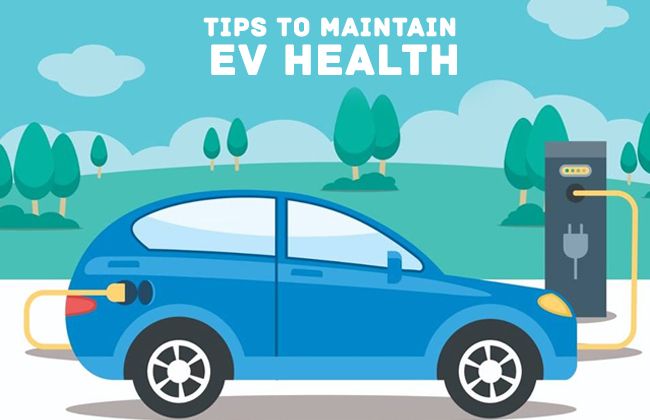
7 Important tips to maintain your EV’s health
As more people make the switch to electric vehicles (EVs) in a bid to iron out fluctuating fuel prices while doing their bit for the environment, there seems to remain a number of questions no how to maintain an all-electric car. EVs, undeniably, involve much less maintenance than cars hauled by internal combustion engines (ICEs). While an ICE has more than 100 moving parts, and EV motor has just two.
Some standard maintenance, still, needs to be carried out on electric cars to keep them running beyond their expected lifetime.
Here’s what you can do.
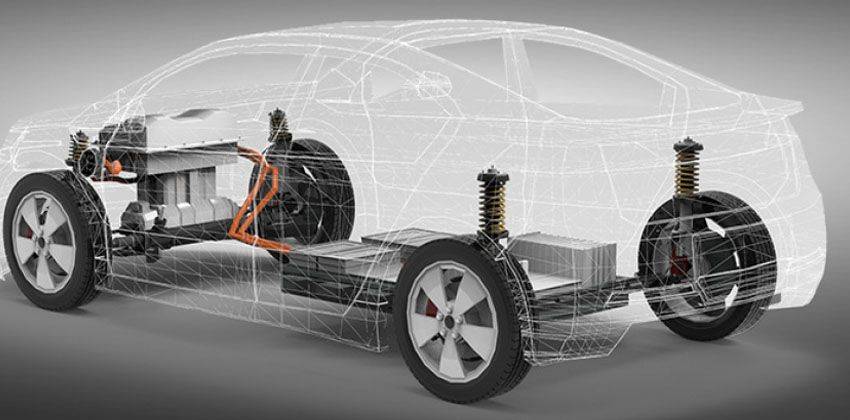
1. Take care of the motor
Electric car motors, as already said, don’t require the same maintenance as a fossil-fuel-powered car. Most basic maintenance involved in an ICE, like changing the oil or replacing spark plugs, are not needed in EVs. While that makes things easier for an electric car, we often tend to overlook their minimum maintenance. For best results, get your EV serviced as often as you would have done for a conventional car. Whenever possible, work with a technician who has the required experience to deal with an EV and all-electric motors.
2. Brake maintenance
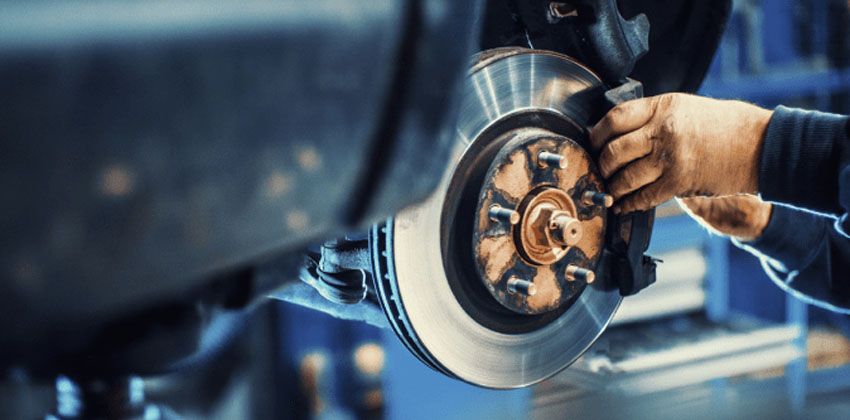
All EVs use what is known as regenerative braking. This technology helps in keeping the brake pads in good working condition for the longest possible time. In most cases, regenerative brake pads have to be replaced less than two times more frequently than a conventional car. When you apply the brakes on an electric car, the kinetic energy gets converted into electricity which helps to power the vehicle. While the process is undeniably impressive, it doesn’t mean that you entirely avoid servicing the brakes.
3. Avoid high-speed driving
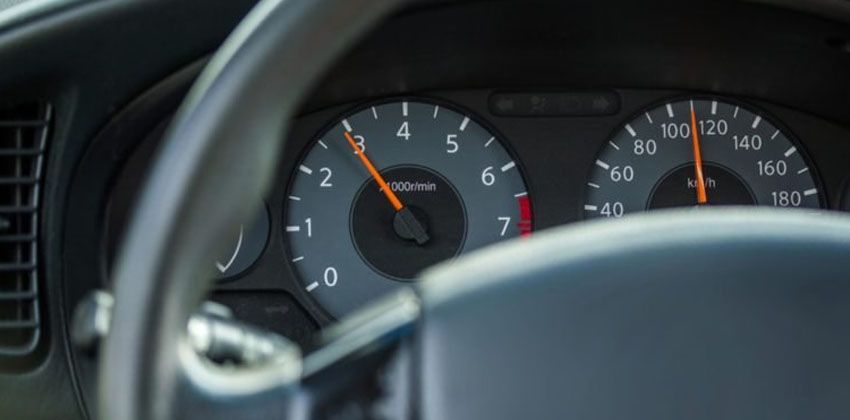
Whenever possible, avoid driving your EV at a high speed. Conserving speed helps the battery to run longer, and at the same time, prevents sudden slamming of the brakes. But what happens if you can’t slow down? Try pre-planning your route to avoid heavy traffic. While this may sound obvious, it will make a major difference to keep your EV in a better condition.
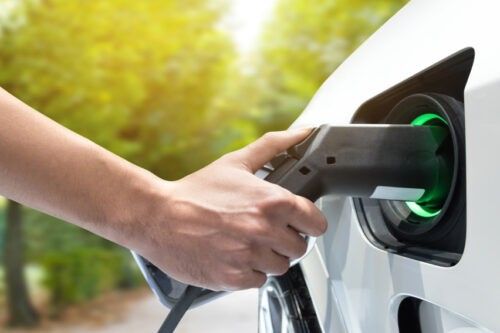
4. Avoid overcharging your EV’s battery
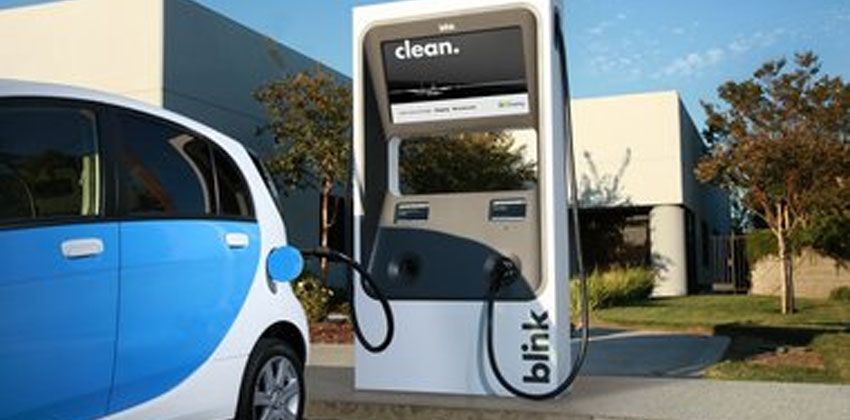
While having a fully charged battery is always tempting, overcharging the unit could be counterproductive for the car and may even cause major problems. Having the battery charged not more than 80 percent is always advisable. The balance 20 percent is used when regenerative braking produces kinetic energy. Also, never leave the battery with little or no charge for a prolonged period. Zero-charge, like overcharging, can negatively impact an EV battery’s health. Never leave your car with just a small amount of charge continuously for more than two weeks.
5. Limit quick charges
It’s understandable that you may have to quick charge your EV when you’re in a hurry to reach your destination. Quick recharging, like having a fully charged battery, is tempting since it saves time. Quick recharging, however, impacts the battery’s lifespan in the long run. Some experts suggest that quick recharging reduces the lifespan by almost two years. Replacing an EV battery, at least for now, is hugely expensive. The normal home charger usually takes up to eight hours to recharge an EV up to 80 percent and overnight recharging is the most preferred option by majority of EV owners.
6. Check the tires
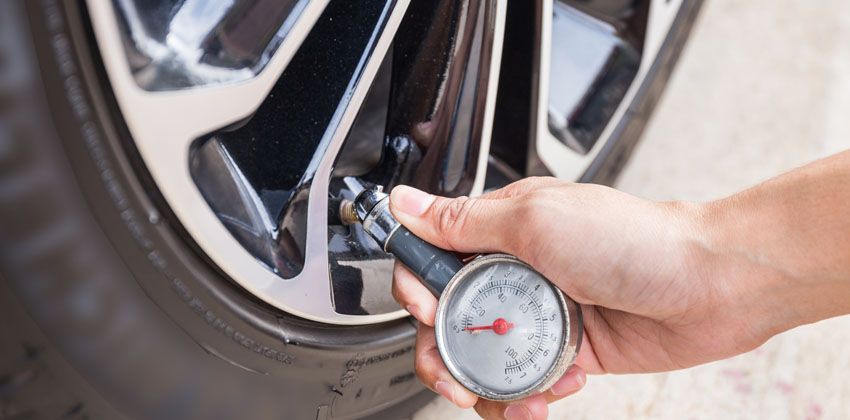
EVs produce instant torque. This may have a hard impact on the tires over time. That aside, unlike conventional cars, EVs don’t have any engine noise which covers the sound of aged tires hitting the pavement. Tire noise may enter an EV’s cabin which intrudes into the riding pleasure. Get your tires regularly inspected, balanced, and aligned. While investing in new tires, consider those manufactured particularly for electric cars.
7. Check the fluids
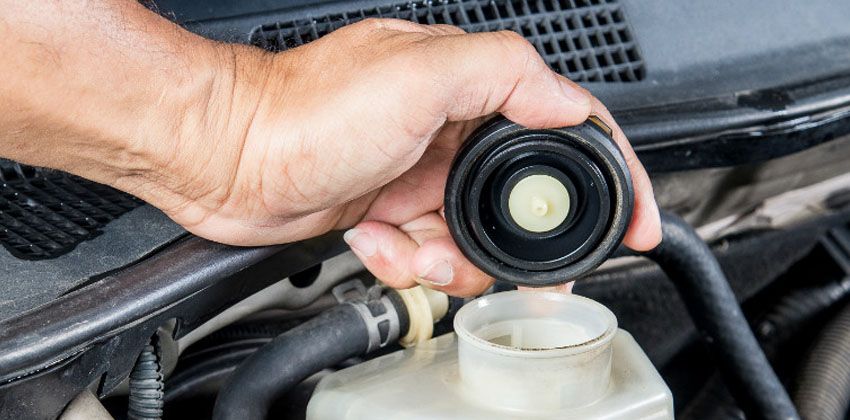
EVs have a much shorter list of fluids than cars hauled by an ICE. Nonetheless, there are some EV fluids that you have to monitor. While there’s no engine oil involved, an EV, like conventional cars, has a thermal management system which requires refilling the coolant from time to time. That aside, electric cars have the windscreen-washer and brake fluids. These have to be topped up as and when needed.
EVs require very basic upkeep. Maintenance costs are only a fraction of that in a conventional car. An electric car, with proper care, can lend years of trouble-free ownership experience.
Also Read: Top EV FAQs answered

Purva Jain


Purva is a crazy admirer of cars and she has got a lot of expertise in their detailing. Though, she has mastered in Economics but cars have always been her field of interest. She is an introvert in talking but when it comes to cars and the latest news regarding them she talks like hell. Exploring new cars as well as the vintage machines is listed in her hobbies while getting to know about the history behind the same are the things which she enjoys the most. She may seem silent from the outside but inside her is a volcano erupting to engulf the mean machines.
Read Full BioMalaysia Autoshow


Trending & Fresh Updates
- Latest
- Popular
-

-
-
-
-
-
-
-
-
-
Electric Car: A comprehensive buying guidePurva Jain, Jul 01, 2024
-
Must watch automotive movies for enthusiastsPurva Jain, Feb 21, 2024
-
Car Rust-proofing 101: All you need to knowPurva Jain, Feb 15, 2024




-
-
-
-
-
-
What makes the Perodua QV-E a game-changing EVSippi Vig, Dec 10, 2025
-
-
-


You might also be interested in
- News
- Featured Stories

-
-
What makes the Perodua QV-E a game-changing EVSippi Vig, Dec 10, 2025
-
-
-
-
iCAUR 03 EV: Detailed in picturesSippi Vig, Sep 10, 2025
Featured Cars
- Latest
- Upcoming
- Popular
-
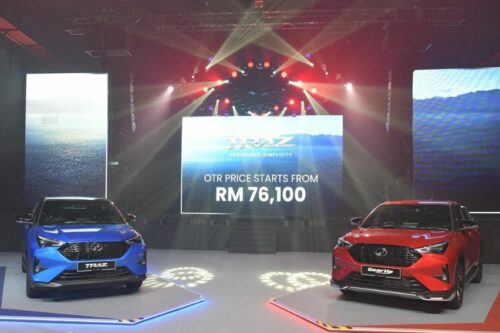
 Perodua TrazRM 76,100 - 82,000 OTR Price Kuala LumpurEMI : RM 889 x 84Write a Review VIEW DECEMBER OFFERS
 -
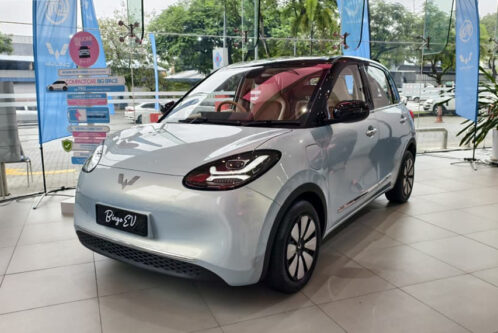
Wuling Bingo EVRM 67,800 - 72,800 OTR Price Kuala LumpurEMI : RM 791 x 84Write a Review VIEW DECEMBER OFFERS
-
LEAPMOTOR B10RM 107,800 - 118,800 OTR Price Kuala LumpurEMI : RM 1,259 x 84Write a Review VIEW DECEMBER OFFERS
-
Mercedes Benz GLE-ClassRM 498,888 - 1.19 Million OTR Price Kuala LumpurEMI : RM 5,830 x 844.47 (30 Reviews) VIEW DECEMBER OFFERS
-
-
Toyota Yaris CrossRM 130,400 Expected Price Kuala LumpurExpected Launch TBA Alert Me When Launched
-
-
-
-
-
Perodua BezzaRM 34,580 - 49,980 OTR Price Kuala LumpurEMI : RM 404 x 844.19 (80 Reviews) VIEW DECEMBER OFFERS
-
Toyota VelozRM 95,000 OTR Price Kuala LumpurEMI : RM 1,110 x 844.42 (33 Reviews) VIEW DECEMBER OFFERS
-
Perodua AlzaRM 62,500 - 75,500 OTR Price Kuala LumpurEMI : RM 730 x 844.19 (77 Reviews) VIEW DECEMBER OFFERS
-
Perodua AxiaRM 22,000 - 49,500 OTR Price Kuala LumpurEMI : RM 257 x 844.12 (74 Reviews) VIEW DECEMBER OFFERS
-
Honda CityRM 84,900 - 111,900 OTR Price Kuala LumpurEMI : RM 991 x 844.21 (69 Reviews) VIEW DECEMBER OFFERS
Latest Car Videos on Zigwheels

-
1 Tank, 3 Days, 1,200 KM… The Chery Tiggo 7 PHEV Actually Did It10 Dec, 2025 .
-
The Jaecoo J8 Might Be the Best SUV Under RM200k… Here’s Why!10 Dec, 2025 .
-
Volvo XC90 T8 Ultra Review – The “One and Done” SUV28 Oct, 2025 .
-
2025 Proton X50 Facelift Review - Still The One To Buy?26 Sep, 2025 .
-
BMW M340i 50 Jahre Review | The Car That Makes You Take the Long Way Home12 Sep, 2025 .
-
2025 BYD Seal facelift Malaysia review – Adaptive Suspension fixes Its biggest weakness?10 Sep, 2025 .
-
Chery Tiggo Cross Malaysia – Hibrid vs Turbo, Mana Lagi Best?02 Sep, 2025 .
-
MINI JCW Aceman Malaysia Review – Fun, Flawed, and Fully Electric19 Aug, 2025 .
-
MG S5 EV First Drive Review – The driver’s EV Malaysia didn’t expect?06 Aug, 2025 .
-
1,200km on a full tank?! Full review of the Jaecoo J7 PHEV – Malaysia’s most affordable Plug-In SUV02 Jul, 2025 .