
Malaysia cuts BUDI95 subsidy cap to 200 litres from April 2026 as oil prices top US$100
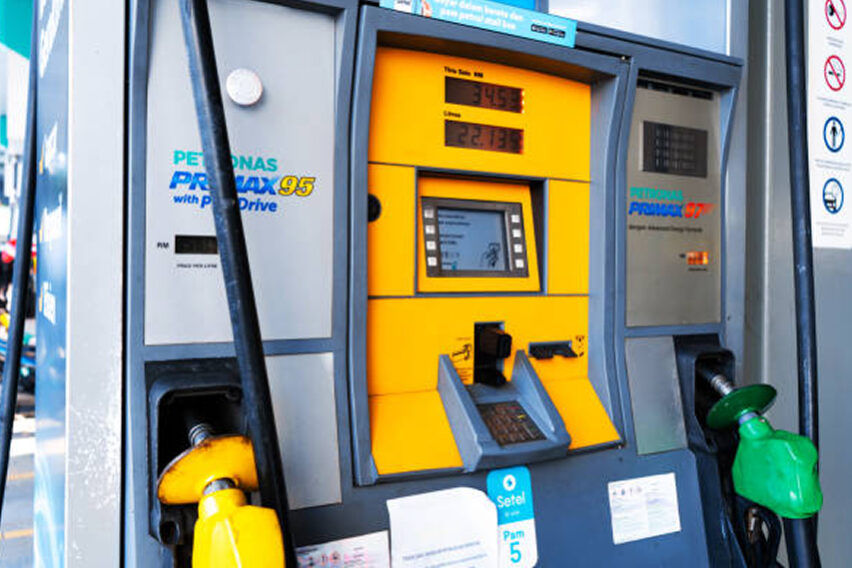
KUALA LUMPUR: The Malaysian government will reduce the monthly BUDI95 fuel subsidy eligibility cap from 300 litres to 200 litres starting April 2026, as Putrajaya moves to contain rising subsidy costs caused by global fuel supply uncertainty and higher crude oil prices.
KEY TAKEAWAYS
What is changing under BUDI95 in Malaysia?
The monthly BUDI95 subsidy eligibility cap will be reduced from 300 litres to 200 litres starting April 2026.Why is Malaysia reducing the BUDI95 cap?
The government says it is responding to global fuel supply uncertainty and rising crude oil prices, which have pushed subsidy costs higher.Will all users be affected by the BUDI95 change?
The government says nearly 90% of eligible users consume less than 200 litres a month, so most are not expected to be affected.The announcement was made today by Prime Minister and Finance Minister Datuk Seri Anwar Ibrahim, who said the MADANI government is taking early and targeted action to make sure the country’s fuel supply remains secure as tensions in West Asia continue to put pressure on global energy markets.
For now, Malaysia’s fuel supply is still under control. But the government says it cannot afford to wait until the situation worsens before stepping in.
That is mainly because the longer-running conflict in West Asia is already affecting the global oil market, with crude prices now climbing past the US$100 per barrel mark. Once that happens, Malaysia’s fuel subsidy bill starts rising very quickly.
In January 2026 alone, subsidies for RON95 and diesel stood at around RM0.7 billion. But the bigger concern is what comes next if oil prices stay elevated.
The government has so far maintained the BUDI95 price at RM1.99 per litre for eligible Malaysians, while targeted diesel users continue to pay RM2.15 per litre. That has helped shield consumers, but it also means the government is absorbing more of the actual market cost.
Two weeks ago, when Brent crude was trading at about US$90 per barrel, petrol and diesel subsidies were already estimated at around RM3 billion a month. Now, with oil prices hitting US$100 per barrel, that monthly subsidy burden is estimated to rise to about RM4 billion.
To manage that pressure, the government is introducing several targeted adjustments under the BUDI MADANI RON95, or BUDI95, and BUDI Diesel programmes.
The biggest change is the lower BUDI95 monthly cap, which will be cut to 200 litres from 300 litres beginning April 2026. The government says this is a temporary move, meant to stay in place until global supply conditions stabilise again.
According to the government, most eligible users are not expected to be affected. It says nearly 90% of qualifying Malaysians use less than 200 litres a month anyway, with average monthly usage sitting at around 100 litres.
Meanwhile, the additional eligibility cap for e-hailing operators will remain unchanged at 800 litres per month.
The government is also stepping up enforcement against subsidy abuse and leakages. The Ministry of Finance said it will not hesitate to revoke BUDI95 eligibility in cases involving misuse or abuse of subsidised RON95.
So while this is not a blanket subsidy rollback, it is clearly a tightening of the system as the government tries to balance public protection with the rising cost of keeping fuel prices low.
The message here is fairly straightforward: fuel supply is still stable for now, but global pressure is building, and Putrajaya wants to act before the situation becomes more expensive or harder to manage.
The government says it will continue monitoring global developments closely and may introduce further measures if needed to keep the country’s energy supply stable.

KLIMS 2026


Malaysia Autoshow
Trending & Fresh Updates
- Latest
- Popular
-

-
-
-
-
-
-
-
-
-
Electric Car: A comprehensive buying guidePurva Jain, Jul 01, 2024
-
Must watch automotive movies for enthusiastsPurva Jain, Feb 21, 2024
-
Car Rust-proofing 101: All you need to knowPurva Jain, Feb 15, 2024









You might also be interested in
- News
- Featured Stories


-
Top 10 best-selling EVs in Malaysia for 2025Sippi Vig, Dec 26, 2025
-
-
Top car launches of 2025 in MalaysiaSippi Vig, Dec 17, 2025
-
-
iCAUR 03 EV: Detailed in picturesSippi Vig, Sep 10, 2025
-






Featured Cars
- Latest
- Upcoming
- Popular
-
 Chery Tiggo 9RM 166,800 OTR Price Petaling JayaEMI : RM 1,948 x 84Write a Review VIEW JULY OFFERS
 -
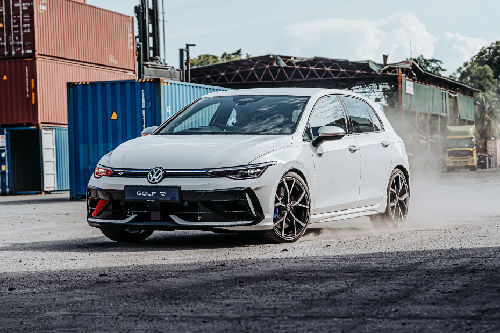
Volkswagen Golf RRM 431,162 OTR Price Petaling JayaEMI : RM 3,947 x 844.05 (20 Reviews) VIEW JULY OFFERS
-
Proton e.MAS 7RM 103,800 - 119,800 OTR Price Petaling JayaEMI : RM 1,212 x 844.19 (16 Reviews) VIEW JULY OFFERS
-
-
Hyundai Ioniq 5 NRM 443,888 OTR Price Petaling JayaEMI : RM 5,187 x 84Write a Review VIEW JULY OFFERS



-
Toyota Hilux ChampRM 59,000 Expected Price Petaling JayaExpected Launch TBA Alert Me When Launched
-
-
-
-



-
Perodua BezzaRM 33,456 OTR Price Petaling JayaEMI : RM 404 x 844.19 (81 Reviews) VIEW JULY OFFERS
-
Toyota VelozRM 95,000 OTR Price Petaling JayaEMI : RM 1,110 x 844.44 (34 Reviews) VIEW JULY OFFERS
-
Perodua AlzaRM 62,500 - 75,500 OTR Price Petaling JayaEMI : RM 730 x 844.19 (78 Reviews) VIEW JULY OFFERS
-
-



Latest Car Videos on Zigwheels

-
Proton e.MAS 7 PHEV Premium — the smartest car buy in Malaysia right now?25 Jun, 2026 .
-
Leapmotor B10 KL to Penang, Is This Sub-RM120k EV Enough for Everyone?11 May, 2026 .
-
First Drive GWM WEY G9, MPV Premium Paling Berbaloi Sekarang?11 May, 2026 .
-
2026 BMW i5 CKD Review Malaysia - Has BMW Built the EV for People Still Not Sold on EVs?10 Apr, 2026 .
-
Mitsubishi Xforce First Impressions Malaysia – Is This the Surprise SUV of 2026?24 Mar, 2026 .
-
2026 Perodua Traz Review – Is It Worth a Try?04 Feb, 2026 .
-
1 Tank, 3 Days, 1,200 KM… The Chery Tiggo 7 PHEV Actually Did It10 Dec, 2025 .
-
The Jaecoo J8 Might Be the Best SUV Under RM200k… Here’s Why!10 Dec, 2025 .
-
Volvo XC90 T8 Ultra Review – The “One and Done” SUV28 Oct, 2025 .
-
2025 Proton X50 Facelift Review - Still The One To Buy?26 Sep, 2025 .