Hyundai Motor Group pushes human-robot collaboration roadmap, Atlas to start factory work from 2028
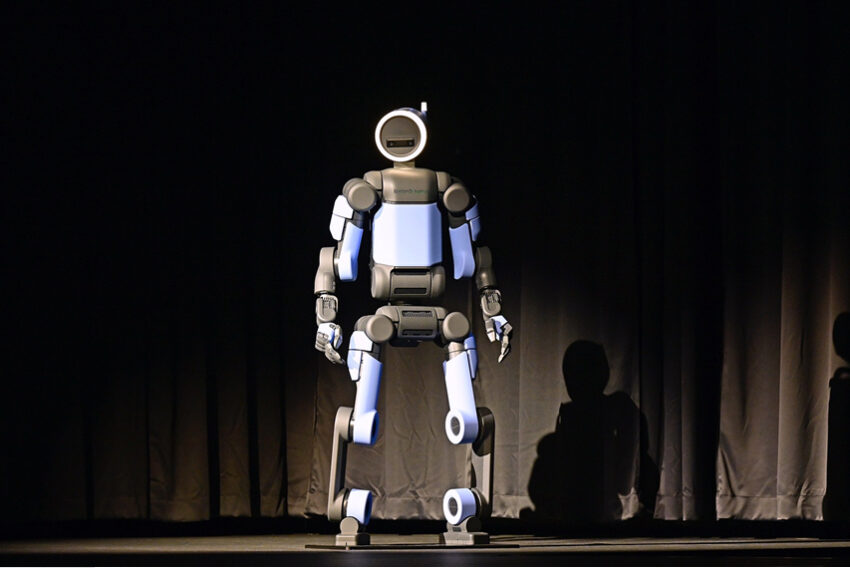
KUALA LUMPUR: Hyundai Motor Group has used CES 2026 to spell out a broader AI robotics strategy it says is aimed at getting robots working alongside people in real workplaces, starting with factories.
The Group’s CES theme this year is “Partnering Human Progress”, and the pitch is less about a single gadget and more about an ecosystem, training, manufacturing scale, and partnerships that can move humanoid robots from demo stages into daily use.
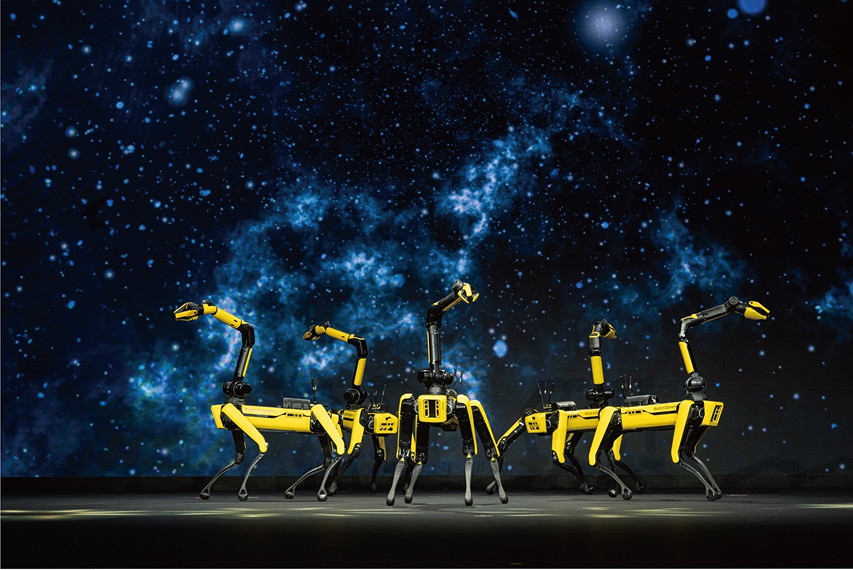 Photo from Hyundai
Also Read: Hyundai Motor Malaysia, EON team up again, new Klang Valley and Penang outlets due H1 2026
A key part of the plan revolves around Boston Dynamics, which Hyundai acquired a controlling stake in back in 2021. Hyundai says it has already been deploying Boston Dynamics robots in industrial settings, and CES 2026 is where it is drawing a clearer line between that early usage and a roadmap toward wider adoption.
Hyundai frames its next phase around what it calls Physical AI, meaning AI that is tied to hardware operating in real-world environments, collecting data, learning from it, and making autonomous decisions. In its description, that covers areas like robotics, smart factories, and autonomous driving.
Three partnership lanes
Hyundai Motor Group says its strategy is built on three “foundational partnerships”:
-
Humans and co-working robots, with robots taking on hazardous, repetitive, or physically demanding tasks, beginning in manufacturing.
-
Hyundai’s Group Value Network paired with Boston Dynamics, combining robotics R&D with Hyundai’s global production footprint to create an end-to-end AI robotics value chain and safe training grounds.
-
Partnerships with AI leaders, bringing in external expertise to accelerate next-generation humanoid development and support safer deployment.
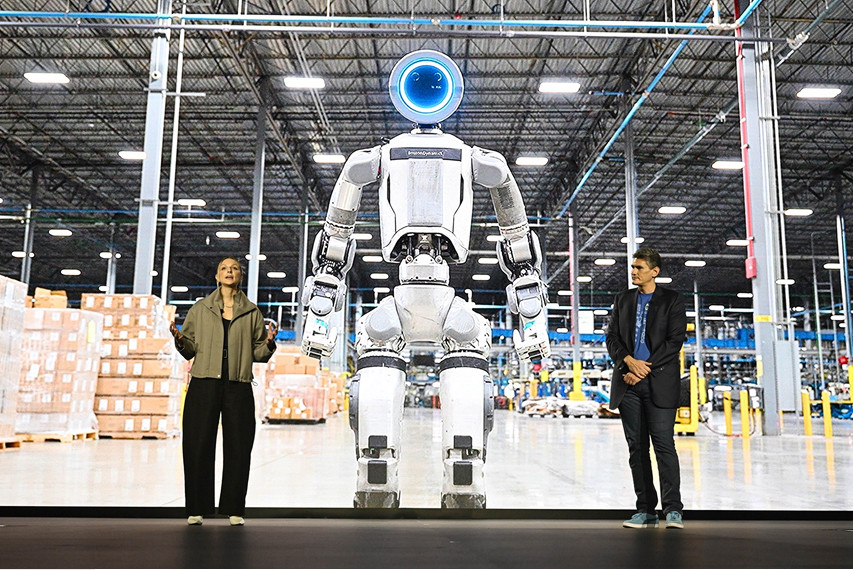 Photo from Hyundai
Atlas is the headline, production use targeted from 2028
Boston Dynamics unveiled the product version of its new Atlas humanoid at CES 2026, positioned as an industrial robot designed to work inside existing facilities. Hyundai says Atlas will be introduced at Hyundai Motor Group Metaplant America (HMGMA) in Savannah, Georgia, with a phased rollout starting with parts sequencing from 2028, then expanding to component assembly by 2030.
Hyundai’s reasoning is straightforward, validate safety and quality benefits process-by-process, then scale. The company also says the goal is to reduce physical burden on workers by having robots take higher-risk tasks, while humans handle oversight and training.
Hyundai highlights Atlas hardware capability claims such as 56 degrees of freedom, tactile-sensing hands, a 110 lbs (50 kg) lifting ability, water resistance for washdowns, and operation between -4 and 104 degrees Fahrenheit (20°C to 40° Celsius). It also claims most tasks can be taught in under a day, and that Atlas is designed for autonomous operation including automatic battery replacement.
Building the training and factory backbone
To support the robotics push, Hyundai outlines a set of factory and training systems. It points to its Software-Defined Factory (SDF) approach, first shown at Hyundai Motor Group Innovation Center Singapore (HMGICS) and expanded at HMGMA, using production data to improve robot learning and performance.
It also mentions the Robot Metaplant Application Center (RMAC), described as a training “engine” where robot movements and real-world operational data are used for continuous retraining. RMAC is set to open in 2026 in the U.S., with RMAC-trained Atlas units planned for sequencing tasks by 2028 and more complex assembly work later.
Hyundai also references a strengthened partnership with NVIDIA, saying it plans to use NVIDIA’s AI infrastructure and simulation frameworks to accelerate Physical AI development.
DeepMind tie-up and two key quotes
On the AI side, Boston Dynamics announced a strategic partnership with Google DeepMind to accelerate next-generation humanoids and scale deployment “safely and efficiently.”
“The convergence of robotics and AI represents more than a technological advancement. It is a transformative innovation that will make human life safer and more enriching. By combining capabilities of Boston Dynamics and Google DeepMind through this strategic partnership, we are taking a significant step toward redefining the future paradigm of the industry.” – Zachary Jackowski, Vice President and General Manager of Atlas at Boston Dynamics.
“We are excited to begin working with the Boston Dynamics team to explore what’s possible with their new Atlas robot as we develop new models to expand the impact of robotics, and to scale robots safely and efficiently.” – Carolina Parada, Senior Director of Robotics at Google DeepMind.
RaaS, production scale, and CES booth lineup
Hyundai also reiterates its interest in Robotics-as-a-Service (RaaS), including support like OTA updates, maintenance, and remote monitoring, and says it is targeting an annual manufacturing capacity of 30,000 robot units by 2028.
At CES 2026, Hyundai says it is showcasing Atlas alongside Boston Dynamics Spot and Stretch, plus other robotics projects including MobED, an Automatic Charging Robot, and additional autonomous and collaborative robots across its wider group portfolio.
Also Read: Hyundai STARIA now locally assembled in Malaysia, priced from RM179,888

-
Explore Hyundai Staria
-
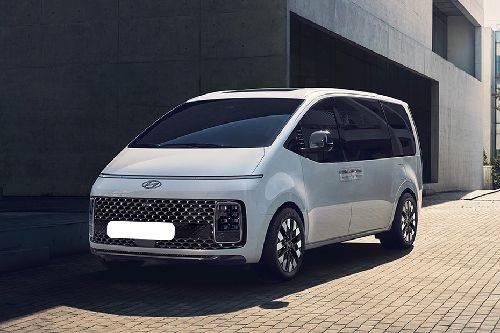
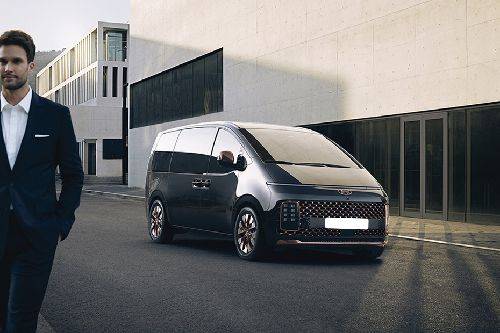
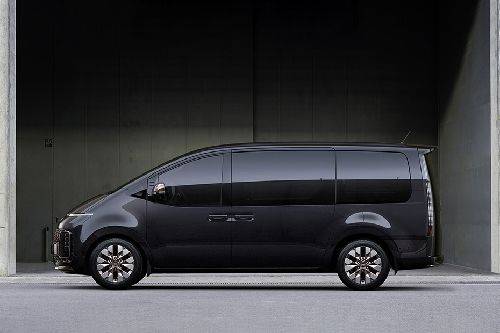
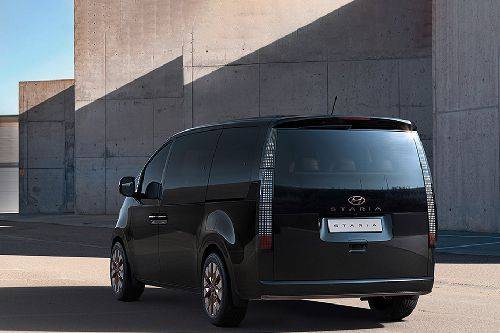

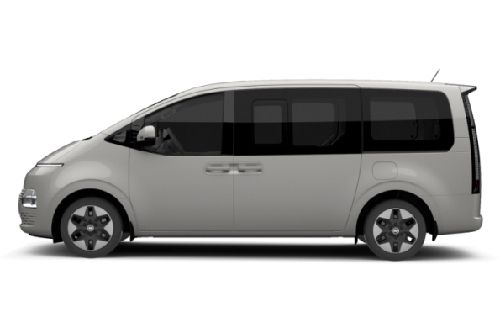
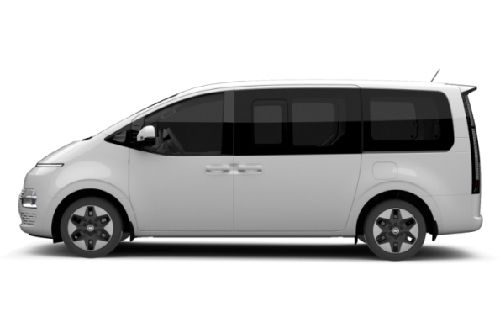
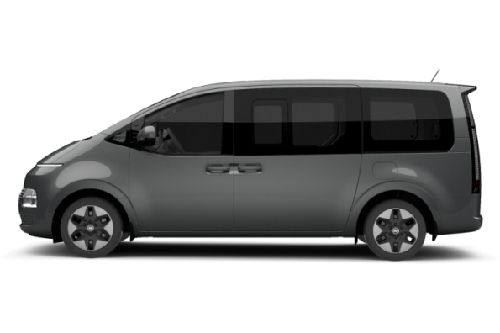
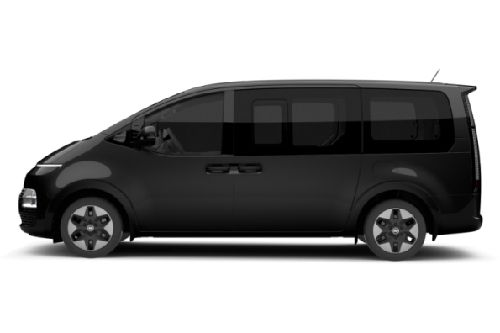

Hyundai Staria Related Stories
- News
- Featured Stories
-
 Hyundai Motor Malaysia turns 1, announces monthly prizes, rebates, subsidies, and more
KUALA LUMPUR: Hyundai stepped up its game in Malaysia last year by taking full control of its brand presence in...
Read MoreSippi Vig, Jul 07, 2026 -
New Hyundai 3S centre opens in Kuching, offering grand opening deals
KUALA LUMPUR: Hyundai Motor Malaysia has opened a new 3S in Kuching, in partnership with Heng Lian Enterprise Bhd. Officiated...
Read MoreSippi Vig, Jun 29, 2026 -
Malaysia-made Hyundai STARIA heads to Thailand in first export shipment
KUALA LUMPUR: Hyundai Motor Malaysia (HMY) has shipped its first batch of locally assembled STARIA MPVs to Thailand, with the...
Read MoreAdam Aubrey, Jun 08, 2026

-
2023 Hyundai Staria 10-seater: Buyer’s guide
Hyundai Malaysia first introduced the Staria MPV back in October 2021. Back then the car was offered in seven-seat range-topping...
Read MorePurva Jain, Jan 09, 2023
Hyundai Car Models
-

Hyundai Staria -
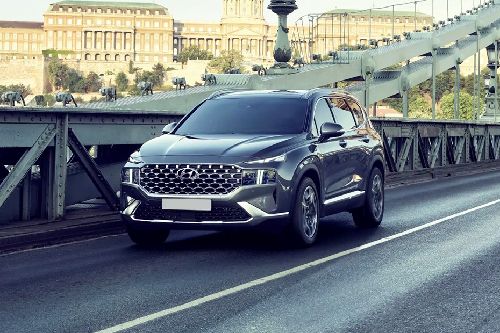
Hyundai Santa Fe -
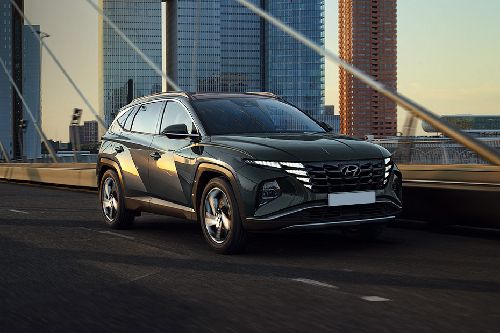
Hyundai Tucson -
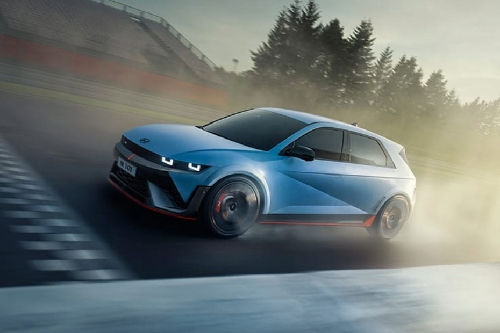
Hyundai Ioniq 5 N -
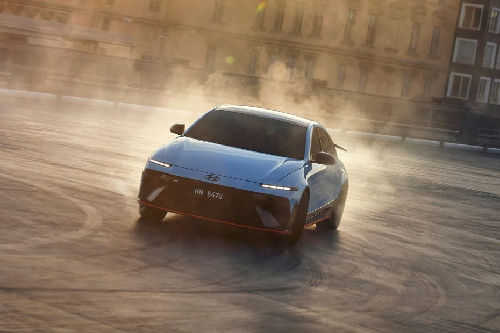
Hyundai Ioniq 6 N
Don't Miss
-
Hyundai Motor Malaysia turns 1, announces monthly prizes, rebates, subsidies, and more
-
New Hyundai 3S centre opens in Kuching, offering grand opening deals
-
Kia TotalCare Programme launched in Malaysia - RM8k cash rebate, 8-year warranty and more
-
Malaysia-made Hyundai STARIA heads to Thailand in first export shipment
-
Book a Kia in June and get 8-year warranty, 8 tyres, RM8,000 cash rebate, and first-year insurance


KLIMS 2026


Malaysia Autoshow
Trending & Fresh Updates
- Latest
- Popular
-

-
-
-
-
-
-
-
-
-
Electric Car: A comprehensive buying guidePurva Jain, Jul 01, 2024
-
Must watch automotive movies for enthusiastsPurva Jain, Feb 21, 2024
-
Car Rust-proofing 101: All you need to knowPurva Jain, Feb 15, 2024







You might also be interested in
- News
- Featured Stories

Hyundai Featured Cars
- Latest
- Upcoming
- Popular
-
Hyundai Ioniq 5 NRM 443,888 OTR Price Kuala LumpurEMI : RM 5,187 x 84Write a Review VIEW JULY OFFERS
-
Hyundai Ioniq 6 NRM 449,888 OTR Price Kuala LumpurEMI : RM 5,257 x 84Write a Review VIEW JULY OFFERS
-
Hyundai Santa FeRM 185,888 - 205,888 OTR Price Kuala LumpurEMI : RM 2,172 x 844.45 (20 Reviews) VIEW JULY OFFERS
-
Hyundai TucsonRM 158,888 - 195,888 OTR Price Kuala LumpurEMI : RM 1,856 x 844.33 (9 Reviews) VIEW JULY OFFERS
-
Hyundai Ioniq 5 NRM 443,888 OTR Price Kuala LumpurEMI : RM 5,187 x 84Write a Review VIEW JULY OFFERS
-
Hyundai Ioniq 6 NRM 449,888 OTR Price Kuala LumpurEMI : RM 5,257 x 84Write a Review VIEW JULY OFFERS
Compare & Recommended
Hyundai Staria
RM 179,888 - 267,888
Staria Price
|
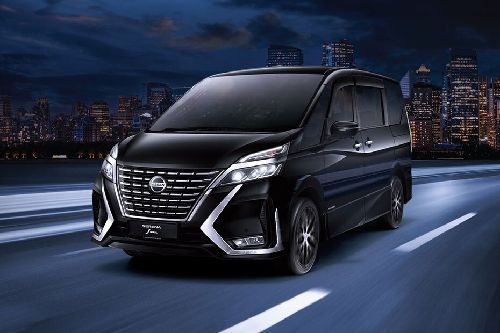
|
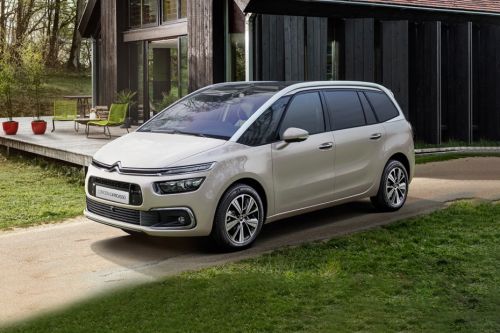
|
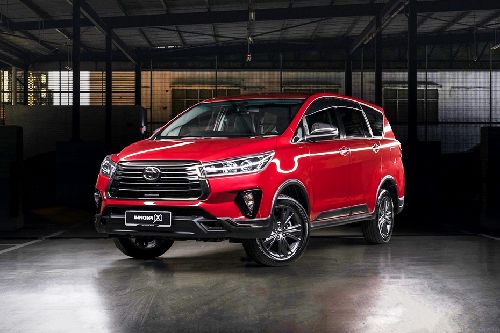
|
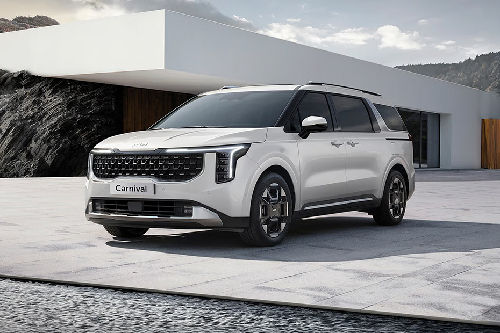
|
|
Seating Capacity
10
|
7
|
7
|
8
|
11
|
|
Fuel Type
Diesel
|
Petrol
|
Petrol
|
Petrol
|
Diesel
|
|
Engine
2199
|
1997
|
1598
|
1998
|
2151
|
|
Power
175
|
148
|
165
|
137
|
199
|
|
Torque
430 Nm
|
200 Nm
|
240 Nm
|
183 Nm
|
440 Nm
|
|
Transmission Type
Automatic
|
CVT
|
Automatic
|
Automatic
|
Automatic
|
|
Ground Clearance
-
|
-
|
-
|
200 mm
|
172 mm
|
|
|
Trending MPV
- Latest
- Upcoming
- Popular
-
XPENG X9 2026RM 279,888 - 333,888 OTR Price Kuala LumpurEMI : RM 3,270 x 844.33 (3 Reviews) VIEW JULY OFFERS
-
Nissan Serena e-PowerRM 154,800 - 179,800 OTR Price Kuala LumpurEMI : RM 1,808 x 84Write a Review VIEW JULY OFFERS
-
-
Kia CarnivalRM 188,888 - 248,888 OTR Price Kuala LumpurEMI : RM 2,207 x 844.31 (32 Reviews) VIEW JULY OFFERS
-
Toyota Vellfire HEVRM 549,900 OTR Price Kuala LumpurEMI : RM 6,426 x 845 (1 Reviews) VIEW JULY OFFERS
-
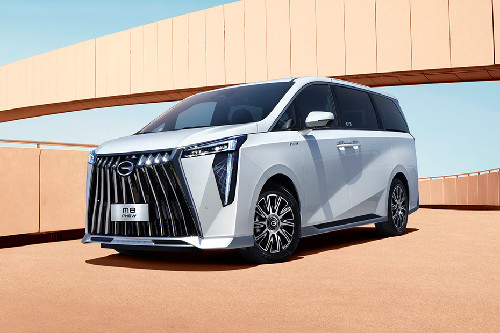
GAC M8 PHEVRM 328,800 - 388,800 OTR Price Kuala LumpurEMI : RM 3,842 x 844 (1 Reviews) VIEW JULY OFFERS
-
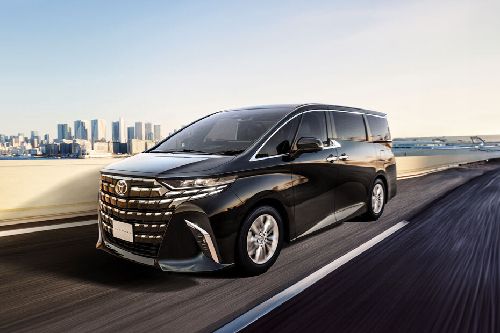
Toyota Alphard HEVRM 570,000 Expected Price Kuala LumpurExpected Launch TBA Alert Me When Launched
-
-
-
Toyota VelozRM 95,000 OTR Price Kuala LumpurEMI : RM 1,110 x 844.44 (34 Reviews) VIEW JULY OFFERS
-
Perodua AlzaRM 62,500 - 75,500 OTR Price Kuala LumpurEMI : RM 730 x 844.19 (78 Reviews) VIEW JULY OFFERS
-
Nissan SerenaRM 149,888 - 169,888 OTR Price Kuala LumpurEMI : RM 1,751 x 844.24 (51 Reviews) VIEW JULY OFFERS
-
Toyota Innova ZenixRM 165,000 - 202,000 OTR Price Kuala LumpurEMI : RM 1,928 x 844.37 (19 Reviews) VIEW JULY OFFERS
-
Toyota InnovaRM 138,880 - 146,880 OTR Price Kuala LumpurEMI : RM 1,622 x 844.31 (67 Reviews) VIEW JULY OFFERS
-