Review: Perodua QV-E - Forget BaaS for a moment, this EV Is surprisingly fun

Review: Perodua QV-E - Forget BaaS for a moment, this EV Is surprisingly fun
The Perodua QV-E has spent much of its young life trapped inside a spreadsheet. Battery lease, monthly payment, BaaS, outright purchase, battery ownership, resale value, nine-year cost — scroll through almost any discussion about Perodua’s first EV and sooner or later somebody will be armed with a calculator.

KEY TAKEAWAYS

  • How much power does the Perodua QV-E have?

    The Perodua QV-E produces 204 PS and is claimed to accelerate from 0-100 km/h in 7.5 seconds. Sport mode gives it a noticeably sharper response, with enough power to occasionally overwhelm the front tyres under hard acceleration.
  • What is the Perodua QV-E’s driving range and charging speed?

    Its 52.5 kWh LFP battery provides a claimed 370 km WLTP range, or 445 km under the NEDC cycle. Maximum DC charging is 60 kW, with Perodua quoting around 30 minutes to charge from 30-80%, while AC charging is rated at 6.6 kW.
  • Which is understandable, because Perodua has chosen to launch its first electric car with one of the more unusual ownership propositions we have seen in Malaysia.

    But after living with the QV-E for almost a week, I think we may have been staring at the wrong end of the car. Because underneath all that financial debate is something considerably more interesting: the QV-E has a bit of hot-hatch energy about it.

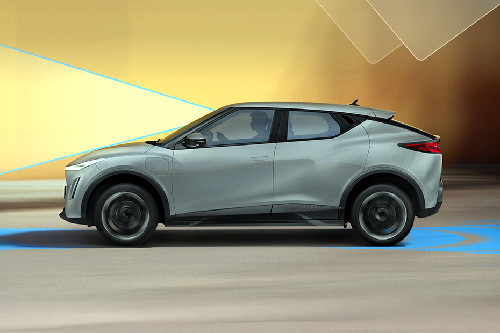
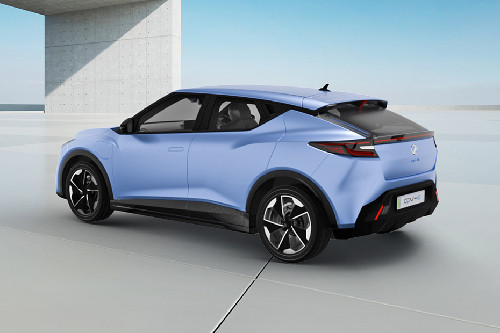
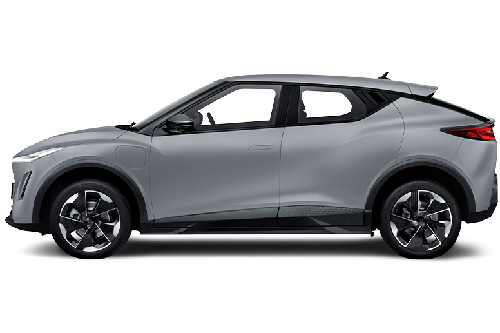
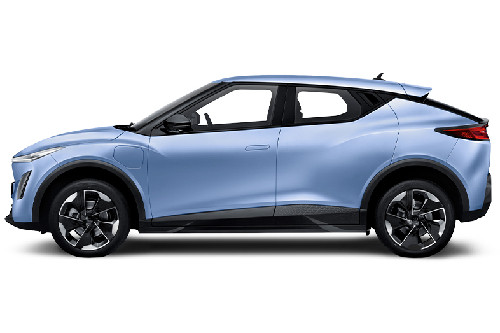
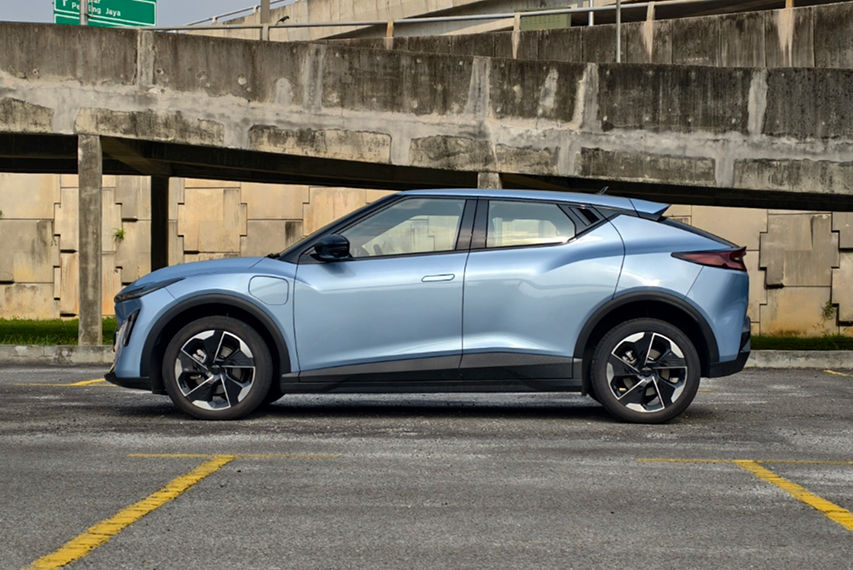
    Perodua QV-E side profile view

    Not because it corners like a Golf GTI or has some beautifully honed chassis underneath it. It does not. But it is compact, it sits low, it has 204 PS, it will do 0-100 km/h in a claimed 7.5 seconds, and in Sport mode it has enough enthusiasm to make its front tyres reconsider their career choices.

    If you enjoy driving something small, quick and slightly silly, you may actually really like this. Then you climb inside, and yes, this is definitely still a Perodua.

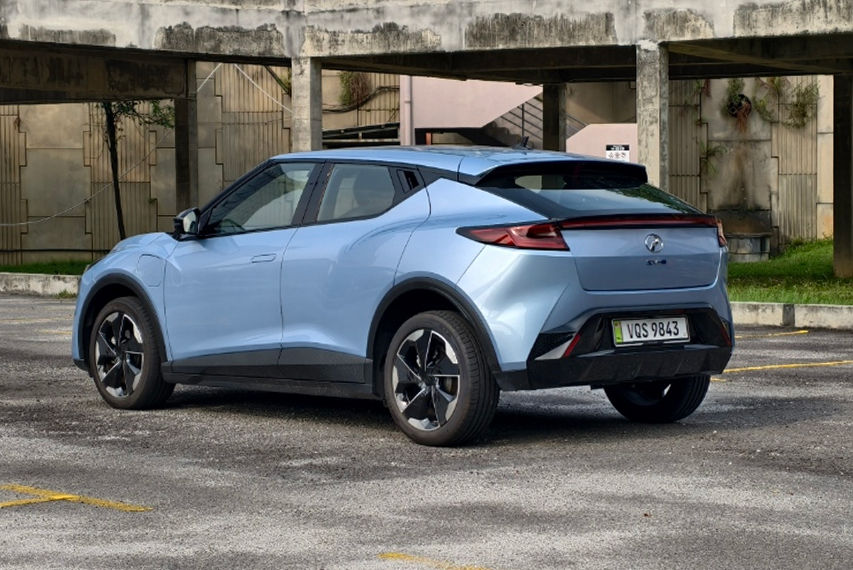
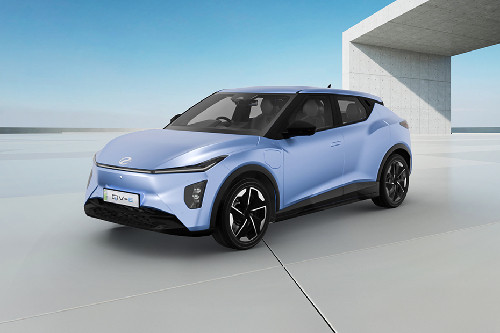
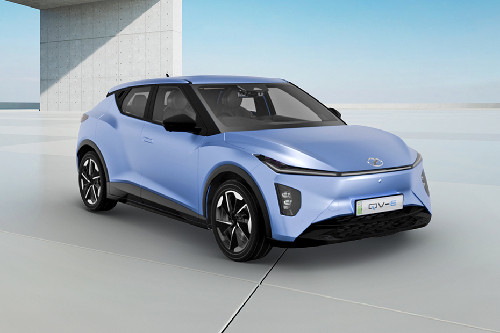
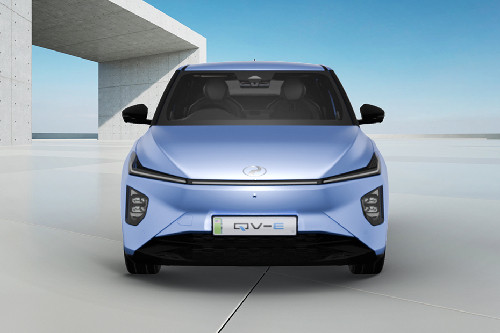
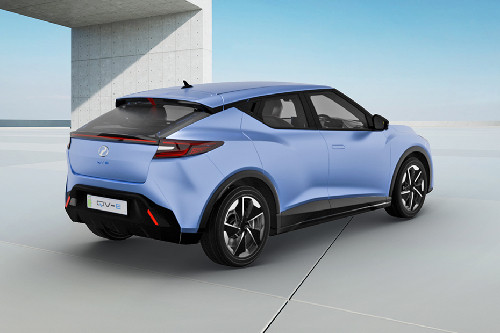
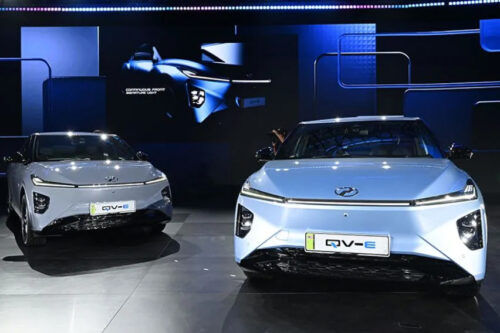
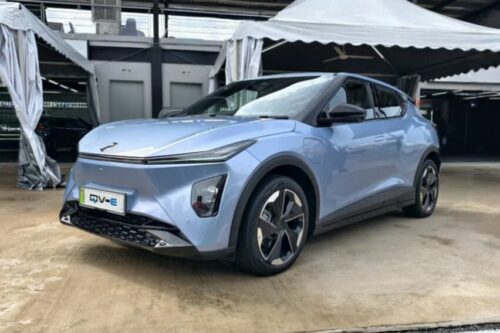
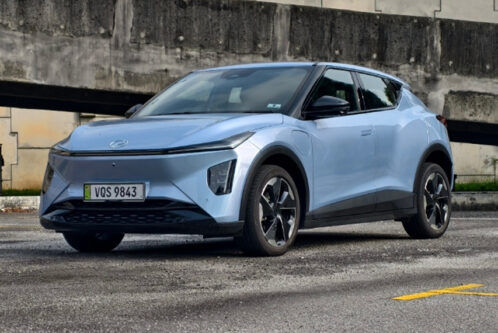
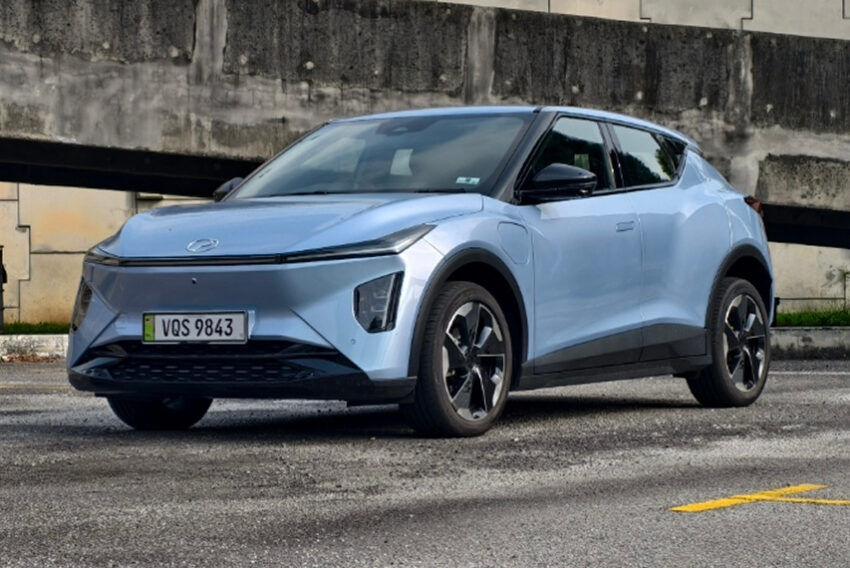
    Take the badges away and the QV-E bears very little resemblance to anything Perodua has produced before. There is none of the upright practicality of an Ativa, the familiar shape of a Myvi or the straightforward look of a Bezza. Instead, you get a low nose, slim headlights, flush front door handles, hidden rear handles, 18-inch wheels and a roofline that seems considerably more interested in looking good than maximising rear headroom.

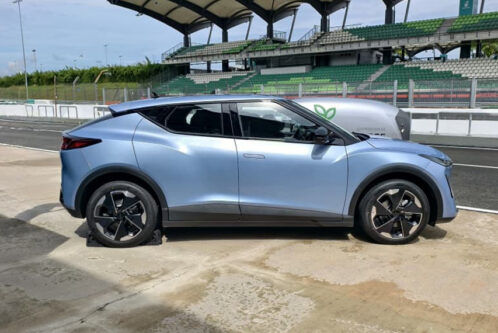
    And frankly, it looks stunning. There is a tautness to the QV-E that photographs do not entirely communicate. It looks squat and sporty in person, and you sit relatively low inside it too. The windscreen is not enormous, the roof hangs close above you and the whole car wraps around you in a way that occasionally feels more sports coupe than sensible Perodua. Obviously, nobody has accidentally built a Cayman in Rawang, but the sensation is there.

    The compact size also makes the QV-E very easy to live with in town. It is simple to place, easy to thread through tight streets and has a wonderfully tight turning circle. U-turns that would normally require a quick prayer and a three-point shuffle become surprisingly casual affairs.

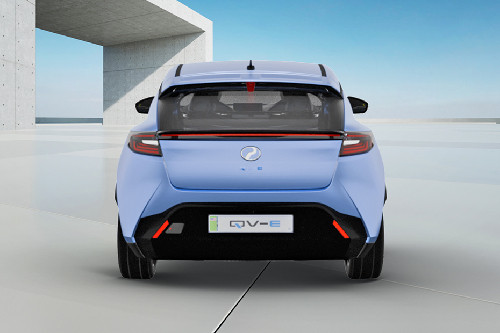
    There is a penalty for all that style, though, because rear visibility is not particularly good. Those chunky rear pillars create fairly substantial blind spots, although the car does at least have cameras and electronic assistance to help compensate.

    Perodua also fits a digital rear-view mirror, which I turn off every single time I get into the car. This is entirely personal preference. Some people love digital mirrors. I find my eyes having to refocus on a small television screen where a mirror should be, and my brain immediately asks why we have decided to make reflective glass more complicated. More annoyingly, I have yet to find a way of making it stay off permanently, so every morning it is the same routine: hello, digital mirror; goodbye, digital mirror.

    Perodua QV-E rear view

    Then you discover the accelerator. The QV-E’s electric motor produces 204 PS, and on paper its 7.5-second 0-100 km/h time does not sound outrageous by modern EV standards. Behind the wheel, though, it feels considerably more entertaining than the figure suggests.

    In Normal mode, Perodua has clearly decided that restraint is a virtue. The first stab of accelerator is deliberately softened, almost as though the car wants a couple of seconds to make sure you really meant what you asked for, and then the power arrives.

    Sport mode throws that politeness out of the window. Floor it and the QV-E simply takes off, sending enough power through the front wheels that the tyres can struggle to translate everything into forward motion. They chirp, they scrabble and sometimes they keep spinning for longer than you expect.

    There is something deeply amusing about this. A Perodua with enough power to overwhelm its front tyres. Ten years ago that sentence would have sounded like something written by somebody with a suspiciously modified Myvi and a laptop on the passenger seat. Now it comes from the factory.

    And this is what I mean when I say the QV-E has a bit of hot-hatch energy. It has the punch, the compact dimensions and that slightly mischievous feeling that makes you want to press the accelerator harder than you really need to. What it does not have is full hot-hatch handling.

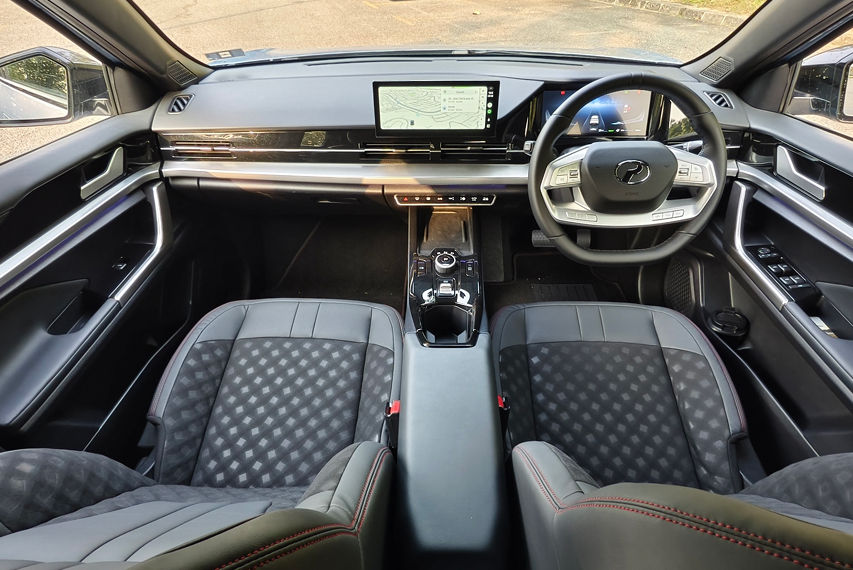
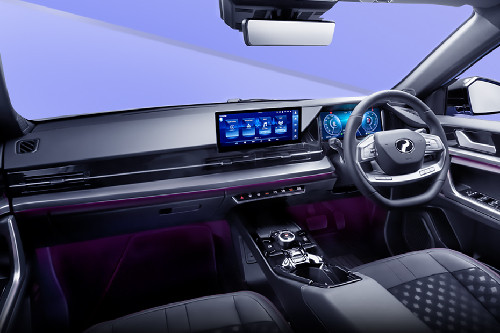
    Perodua QV-E interior view

    Push the QV-E into a corner and things become a little more ordinary. The body control is perfectly acceptable rather than razor sharp. There is some movement, it does not dramatically shrink around you and the whole experience reminds me, strangely enough, of a Myvi.

    That is not necessarily criticism. A Myvi does not handle badly. It is predictable, easy to read and gives you the impression that you are generally the one making the decisions. The QV-E is similar.

    It simply lacks that last layer of discipline and involvement that makes a genuinely good hot hatch feel like it is egging you on to find another corner. So yes, there is hot-hatch energy here, but a hot-hatch chassis? Not quite.

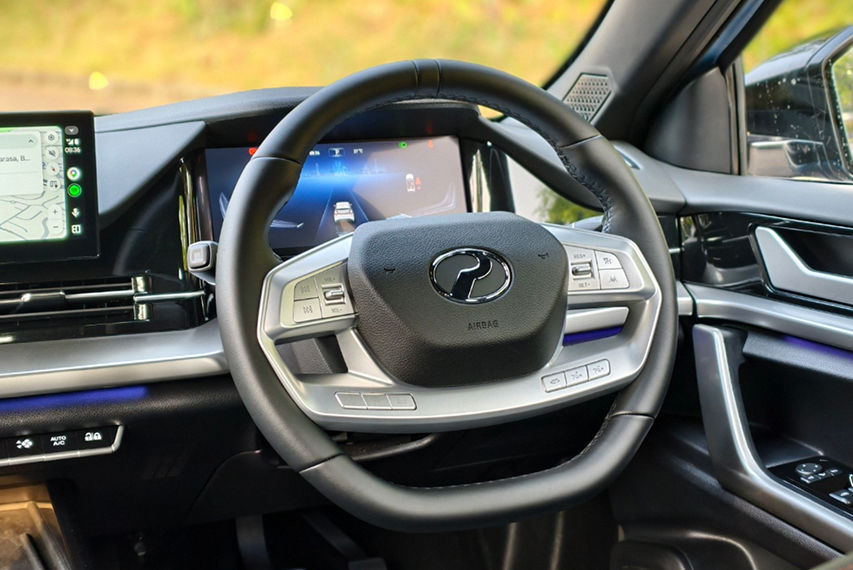
    The steering is better than expected, though. In its normal setting there is a nice amount of weight, it feels accurate and I never felt much need to switch it into the heavier Sport steering setting.

    Ultimately, I think Perodua made the correct decision not to make this thing overly stiff and aggressive, because the result is probably the best part of the whole car: the ride.

    Perodua QV-E steering wheel view

    The QV-E rides brilliantly. Not brilliantly “for a Perodua”, and not brilliantly “for an affordable EV”. Just brilliantly. One of the recurring problems with electric cars is that suspension engineers have to deal with hundreds of kilograms of battery sitting underneath the cabin. Some manufacturers respond by tightening everything until every expansion joint feels like a personal attack, while others soften things so much that the car begins floating around like a sofa caught in a flood.

    The QV-E avoids both extremes. Over potholes, patched tarmac, speed bumps and the endlessly creative road surfaces Kuala Lumpur produces, it has a lovely ability to round off impacts without losing control of its body. It feels like suspension developed here, by people who know what Malaysian roads actually look like after monsoon season.

    For me, this is the QV-E’s standout feature. You may attack a good corner once every few days, but you will encounter broken tarmac before breakfast. The fact that the QV-E can be this comfortable while sitting on 18-inch wheels is genuinely impressive.

    There are three regenerative-braking settings: Low, Standard and High. High is far too enthusiastic for my taste. Lift off the accelerator and the car slows aggressively enough that it starts altering the rhythm of normal driving. Some EV owners will love that, but I prefer Low.

    In that setting, lifting off feels more like the gentle engine braking you would get from a conventional petrol car. The QV-E coasts more naturally and I found it much easier to drive smoothly. The physical brakes themselves are good too, although there are moments when you can detect the handover between regenerative braking and the friction brakes. It is not dramatic, but every so often your foot notices the software and hardware having a quick conversation underneath you.

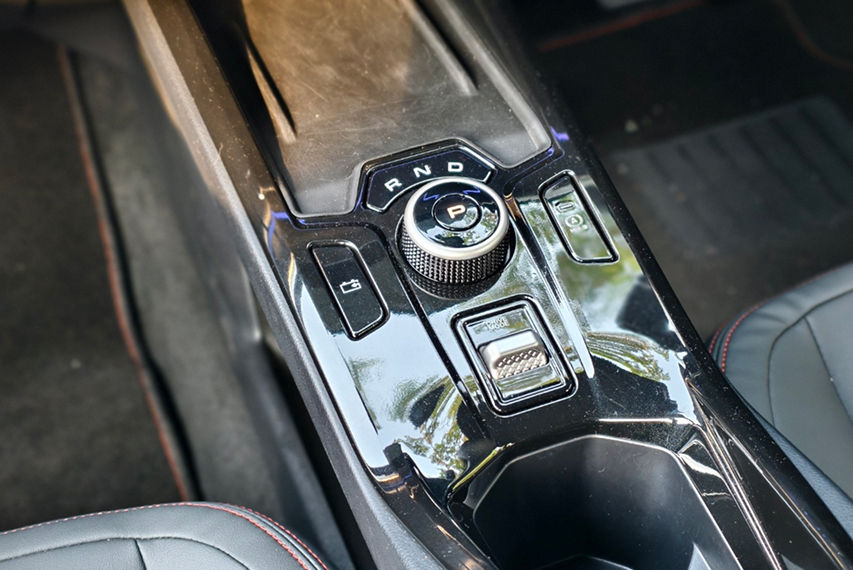
    Perodua QV-E gear selector

    At city speeds, the QV-E feels pleasantly refined. You get the usual EV silence, very little suspension racket and generally good isolation from the outside world. Start travelling considerably faster and the illusion thins. Tyre noise becomes much more obvious and wind noise begins collecting around the cabin.

    It never becomes unbearable, but there is a clear difference between the calm little urban EV you experience around town and the noisier machine you discover at highway speeds. This is also one of those areas where the price you attach to the QV-E changes your expectations. At around RM63,000 before considering the battery lease, this level of refinement is easy enough to understand. Closer to RM90,000 with the battery included, you naturally start asking harder questions.

    This is probably the biggest contrast in the entire QV-E experience. Outside, it looks genuinely special. Inside, it feels like a Perodua.

    The cabin is not offensive. Quite the opposite, actually. The layout is sensible, there are useful physical controls and the general atmosphere is functional rather than confused. But nobody is going to sit inside and mistake this for some premium EV dripping in expensive materials and ambient lighting.

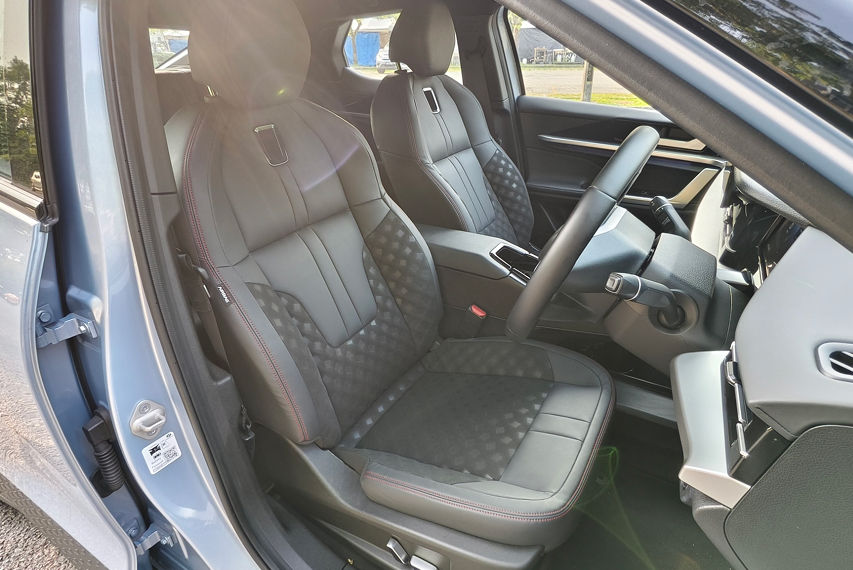
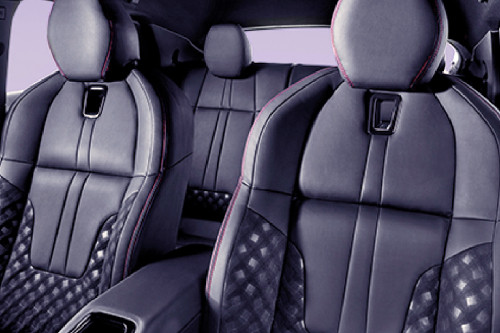
    Perodua QV-E front seats view

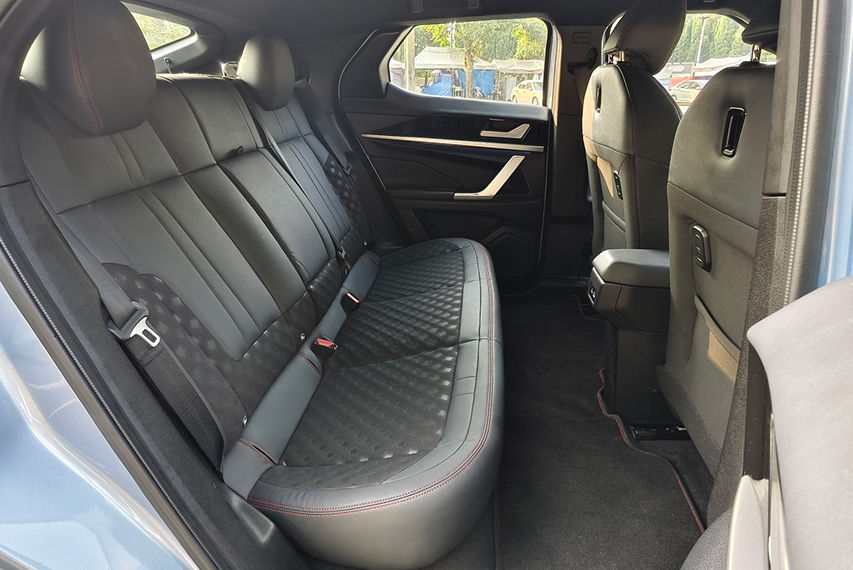
    The front seats are excellent, though. They are supportive, comfortable and suit the sporty seating position nicely. I could happily spend hours in them. The rear bench is considerably less convincing. The cushion is quite short and, because the battery sits underneath the floor, your feet are positioned relatively high. That pushes your knees upwards and leaves adults sitting in a posture that becomes increasingly annoying the longer the journey goes on.

    Children will probably be absolutely fine. Adults will survive shorter trips without complaint, but an hour or more back there and I suspect your passengers will begin developing opinions.

    Perodua QV-E rear seats view

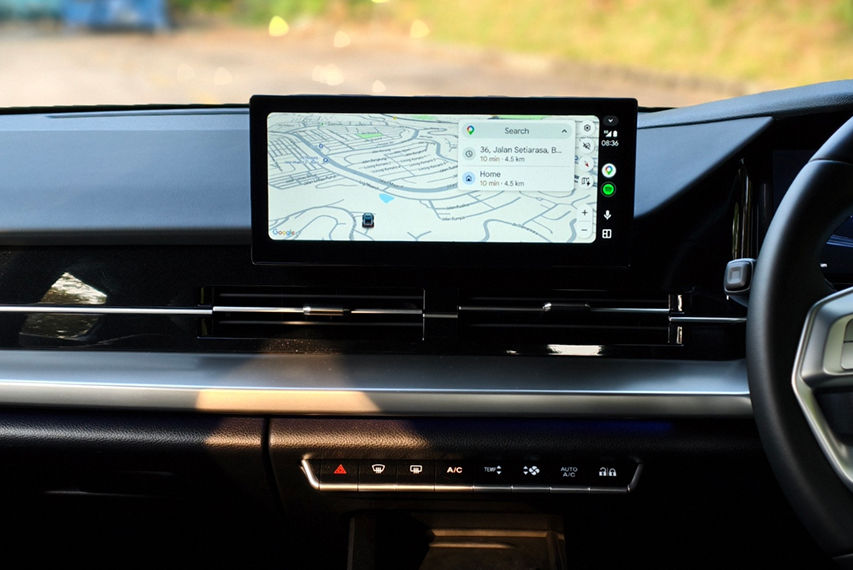
    The QV-E’s infotainment system also has more depth than you might initially expect. You get EV-specific energy information, charging controls and built-in HERE navigation capable of locating chargers and helping with route planning. Perodua has clearly put thought into the ownership side of using an EV rather than simply dropping a map onto a touchscreen and calling it a day.

    The problem is execution. The system can feel laggy. You press something, the car thinks about it, an animation eventually catches up, and you briefly remember what smartphones felt like many years ago. Android Auto can also occasionally take its time connecting.

    There is an especially strange climate-control quirk as well. When Android Auto is running, you can still use the physical climate buttons, which is good, but you cannot see the temperature or fan-speed information without leaving Android Auto and returning to the car’s interface. So you can turn the temperature down, but you just cannot immediately tell whether you have selected 22 degrees, 18 degrees or accidentally started preparing the cabin for refrigerated seafood.

    It is hardly catastrophic. It is simply the kind of annoyance that becomes much more obvious after several days of living with a car.

    One feature I thought I would completely ignore, but actually quite enjoy, is Perodua’s P-GO smartwatch. Opening your car from your wrist is cool. There is something wonderfully Dick Tracy about walking up to a Perodua, tapping your watch and unlocking it without reaching for a key. Once the system is properly connected, you can even leave the conventional key at home.

    Perodua QV-E infotainment system view

    Is any of this necessary? Absolutely not. Does that make it less enjoyable? Also no. Sometimes a feature does not need to solve humanity’s problems. Sometimes it can simply make you feel slightly like James Bond while entering a Perodua.

    As for the battery, the QV-E uses a 52.5 kWh LFP pack and carries a claimed 370 km WLTP range, with the older NEDC cycle producing a 445 km figure. DC charging tops out at 60 kW, with Perodua quoting approximately 30 minutes to go from 30 to 80 percent, while AC charging is rated at up to 6.6 kW.

    Sixty kilowatts is not going to win a charging-speed competition, but for a compact EV likely to spend much of its life commuting and charging while parked, it is still workable. Those regularly crossing states and relying heavily on public DC chargers will naturally care about that figure more than somebody charging overnight at home.

    What interested me more was how the battery behaved during normal life. I collected the QV-E from Perodua’s headquarters in Rawang and simply used it like a car: work, school runs, dinner, driving around town and highway trips. There was no hypermiling and no obsessive efficiency game.

    After nearly a week, I still had around 25 percent battery remaining. The best consumption figure I saw was around 13.6 kWh/100 km, while driving it hard on the highway could push that to around 22 kWh/100 km. That is perhaps more meaningful than simply repeating a laboratory range figure. I spent almost a week treating the QV-E like a normal family car and never felt the need to constantly hunt for a charger.

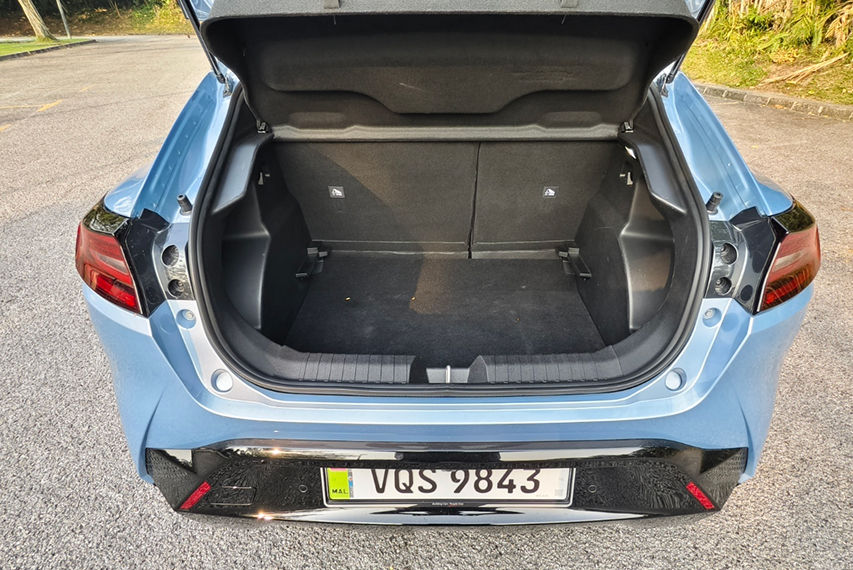
    Perodua QV-E boot view

    And yes, we eventually have to talk about BaaS.

    Perodua’s battery-leasing model has generated more discussion than perhaps any other part of the QV-E. I am not going to tell you whether Battery-as-a-Service is morally correct, financially brilliant or evidence of civilisation collapsing. You can decide what works for your own circumstances.

    What matters now is that Perodua gives buyers a choice. With the current rebate, the QV-E is priced at RM63,499 with BaaS, with the battery costing RM215 per month to lease. Alternatively, you can buy the car together with its battery for RM87,499.

    Personally, the outright price is where I begin struggling with the proposition. At nearly RM90,000, the simple cabin, average rear-seat comfort, infotainment lag and high-speed refinement become much harder to overlook. At RM63,499 plus the battery arrangement, the equation becomes considerably more interesting.

    BaaS will not suit everybody. Malaysians generally like finishing their hire purchase and knowing that every nut, bolt and battery cell belongs to them. But there is also logic to paying less upfront and letting Perodua shoulder more of the long-term battery responsibility. At least the decision is now yours, and that deserves some credit.

    The QV-E’s biggest trick, though, is making you forget what you came to argue about.

    I expected my lasting impression of the QV-E to involve battery leasing. It does not. I remember the acceleration, the front tyres scrabbling for grip, how effortlessly it turns around in tight streets and, most of all, the ride quality.

    There are plenty of things Perodua could improve. The infotainment needs more polish, rear-seat passengers deserve a better deal, high-speed refinement could be stronger and the chassis does not quite possess the sharpness its performance initially promises. The interior also never lets you forget that this is fundamentally a Perodua, irrespective of how futuristic the outside looks.

    Yet after almost a week, none of those things stopped me wanting to drive it.

    The QV-E does not need to be a proper hot hatch, and it does not really drive like one through the corners anyway. But it has a bit of that hot-hatch energy — compact, quick, mischievous and just silly enough to make ordinary journeys more entertaining.

    Add in excellent ride quality and genuinely easy everyday usability, and suddenly the QV-E becomes much more than the battery-leasing argument that has surrounded it.

    I can genuinely see myself driving one every day and being happy.

    Which, considering everybody arrived wanting to talk about a battery subscription, might be the QV-E’s greatest achievement.

    Perodua QV-E specifications

    Drivetrain: Fully electric, single-motor front-wheel-drive drivetrain
    Max power output: 204 PS
    Max torque: 285 Nm
    0-100 km/h: 7.5 seconds
    Top speed: 165 km/h
    Battery / Range: 52.5 kWh LFP battery, up to 370 km (WLTP) / 445 km (NEDC)
    Charging: Up to 60 kW DC fast charging, 30-80% in around 30 minutes; up to 6.6 kW AC charging, 0-100% in around eight hours. Type 2 AC and CCS2 DC connections.
    Chassis: MacPherson strut front suspension, torsion beam rear suspension; ventilated front discs and rear disc brakes; 215/50 R18 tyres.
    Safety features: Six airbags, ABS with EBD, ESC, traction control, TPMS, Auto Hold, Child Presence Detection and Emergency SOS. Perodua Smart Drive Assist includes Forward Collision Warning, AEB, Lane Departure Warning, Lane Keep Assist, Adaptive Cruise Control, Highway Assist, Traffic Jam Assist, Blind Spot Monitor, Rear Cross Traffic Alert, Auto High Beam, 360-degree Surround View Monitor and front/rear parking sensors. The QV-E has also received a five-star ASEAN NCAP rating.

    Price: RM63,499 with BaaS, plus RM215 per month for the battery; or RM87,499 with the battery included. These prices include the current RM6,500 rebate, valid until September 30, 2026.

    Adam Aubrey

    Adam Aubrey

    Adam Aubrey is an experienced writer and presenter with over a decade in the automotive industry, known for his passion for rebuilding older cars from the golden era of automotive design. His work also delves into the future of vehicles, highlighting the exciting potential of electric propulsion.

    Read Full Bio

    Perodua QV-E Related Stories

    • News
    • Featured Stories
    QV-E Car News
    QV-E Car Featured Stories

    Perodua Car Models

    • Perodua Bezza
      Perodua Bezza
    • Perodua Alza
      Perodua Alza
    • Perodua Axia
      Perodua Axia
    • Perodua Ativa
      Perodua Ativa
    • Perodua Myvi
      Perodua Myvi
    • Perodua Aruz
      Perodua Aruz
    • Perodua QV-E ev
      Perodua QV-E
    • Perodua Traz
      Perodua Traz
    Perodua Cars Price

    Don't Miss

    KLIMS 2026

    Malaysia Autoshow

    Trending & Fresh Updates

    Perodua Featured Cars

    • Upcoming
    • Perodua EM-O ev
      Perodua EM-O
      Price coming soon
      Expected Launch TBA Alert Me When Launched
    • Perodua EMO-II ev
      Perodua EMO-II
      Price coming soon
      Expected Launch TBA Alert Me When Launched

    Compare & Recommended

    Perodua QV-E ev
    Perodua QV-E
    RM 63,499
    5 (1 Reviews)
    Perodua QV-E Price
    Perodua Aruz
    Perodua Aruz
    RM 72,900 - 77,900
    4.15 (86 Reviews)
    Aruz Price
    Perodua Ativa
    Perodua Ativa
    RM 62,500 - 73,400
    4.17 (46 Reviews)
    Ativa Price
    Perodua Traz
    Perodua Traz
    RM 76,100 - 82,000
    Write a Review Traz Price
    Ground Clearance 158 mm
    220 mm
    200 mm
    210 mm
    Seating Capacity 5
    7
    5
    5
    Fuel Type Electric
    Petrol
    Petrol
    Petrol
    Power 201
    101
    98
    105
    Torque 285 Nm
    133 Nm
    140 Nm
    138 Nm
    Transmission Type Automatic
    Automatic
    CVT
    CVT
    Engine -
    1496
    998
    1496
    Compare Now

    Trending SUV

    • Upcoming
    • Kia EV3 ev
      Kia EV3
      Price coming soon
      Expected Launch TBA Alert Me When Launched
    • Chery Tiggo 8 Pro PHEV phev
      Chery Tiggo 8 Pro PHEV
      Price coming soon
      Expected Launch TBA Alert Me When Launched
    • JAECOO J6 ev
      JAECOO J6
      Price coming soon
      Expected Launch TBA Alert Me When Launched
    • Volkswagen ID 4 ev
      Volkswagen ID 4
      RM 230,000 Expected Price Kuala Lumpur
      Expected Launch TBA Alert Me When Launched
    • Volvo EX60 ev
      Volvo EX60
      Price coming soon
      Expected Launch TBA Alert Me When Launched
    • Citroen C3 Aircross	2026
      Citroen C3 Aircross 2026
      Price coming soon
      Expected Launch TBA Alert Me When Launched
    Upcoming SUV Cars

    Compare

    You can add 3 variants maximum*