BYD flash charging coming to Malaysia, up to 500 km range in around 3.5 minutes
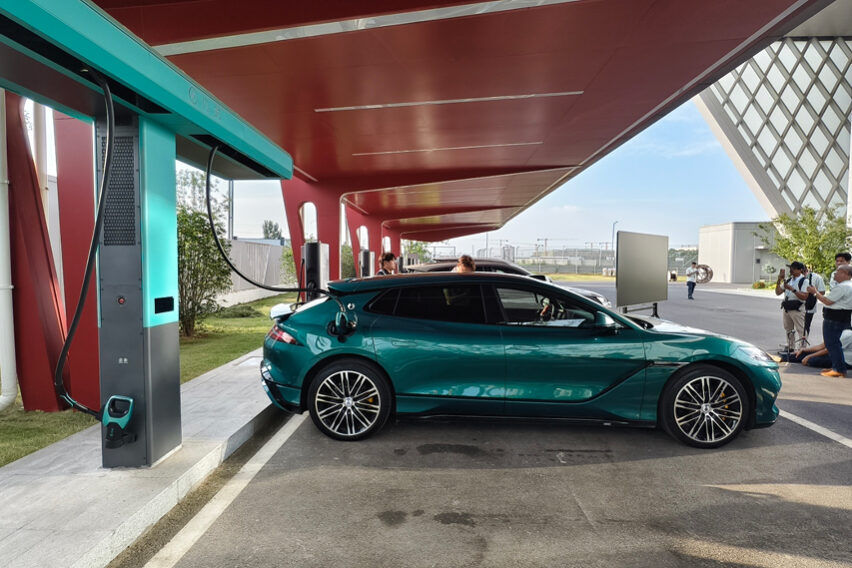
KUALA LUMPUR: BYD Malaysia has confirmed that its flash charging technology will be introduced in Malaysia, with the rollout set to take place in stages.
KEY TAKEAWAYS
Is BYD flash charging coming to Malaysia?
Yes, BYD Malaysia has confirmed that its flash charging technology will be introduced in Malaysia, with the rollout set to take place in stages.Where will BYD flash charging be available first in Malaysia?
The first phase will focus on selected BYD and Denza locations, including showrooms and service centres. The network is expected to expand to public charging locations later.Can current BYD EVs use flash charging?
Existing EVs will not automatically be able to charge at flash charging speeds. Each vehicle is still limited by its own maximum DC charging capability.Speaking during a recent BYD media trip in China, BYD Malaysia Managing Director Jacob Ma confirmed that the first phase of deployment will focus on selected BYD and Denza locations, including showrooms and service centres, before the network is eventually expanded to public charging locations.
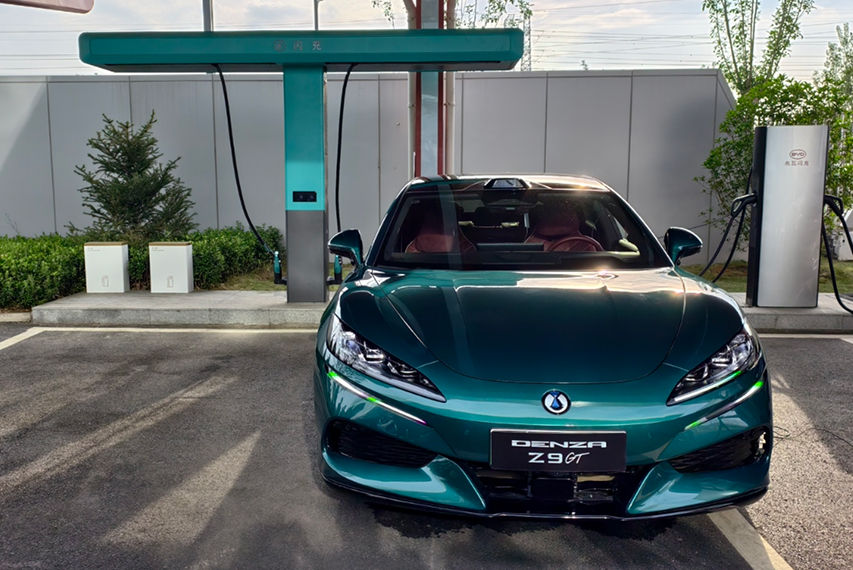 Photo by Adam Aubrey
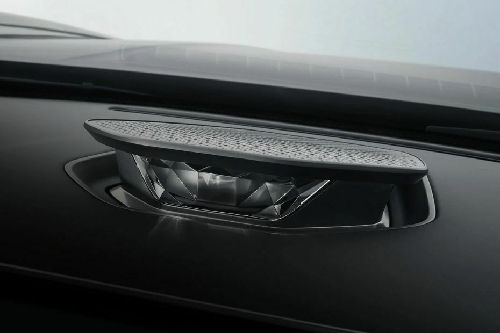
Also Read: Denza Z9 GT RHD made a surprise appearance in Malaysia with a roof-mounted LIDAR sensor
The technology was demonstrated with BYD's latest charging system, showing how far EV charging speeds have progressed. During the demonstration, the vehicle started with around 7% battery charge, but in less than a minute had already added approximately 170 km of range.
After just over a minute, the displayed range had increased by more than 200 km, while around three and a half minutes later, the system showed over 500 km of available range. For context, the distance between Kuala Lumpur and Penang is roughly 350 km.
By the end of the demonstration, after around eight minutes of charging, the vehicle's battery level was already close to 90%, with more than 900 km of displayed range.
However, BYD Malaysia explained that flash charging capability will depend on the vehicle itself. Existing EVs will not automatically be able to achieve these charging speeds, as each model is still limited by its own maximum DC charging capability.
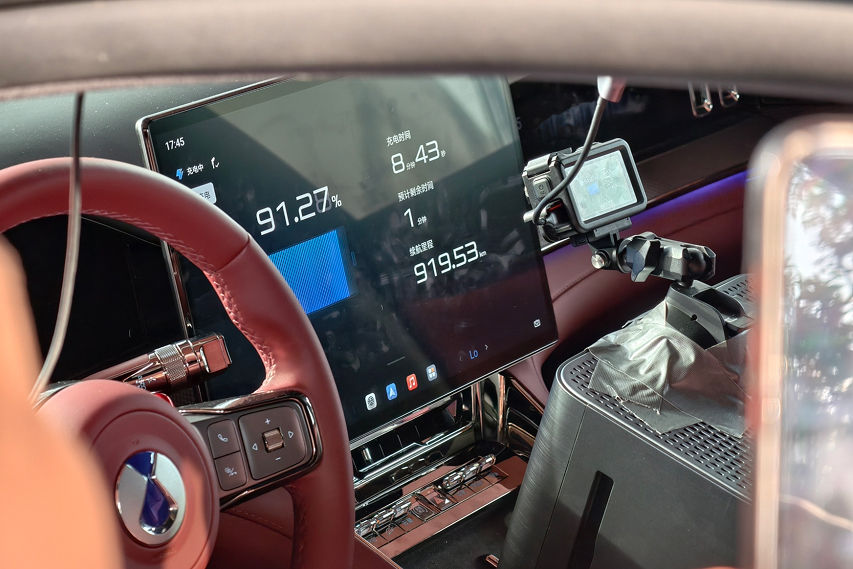 Photo by Adam Aubrey
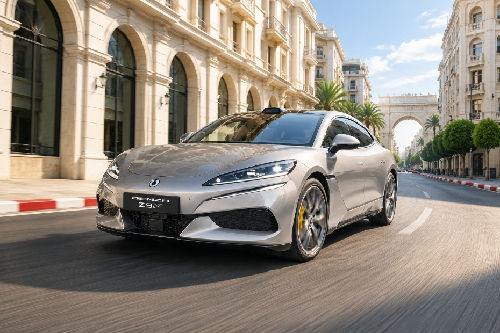
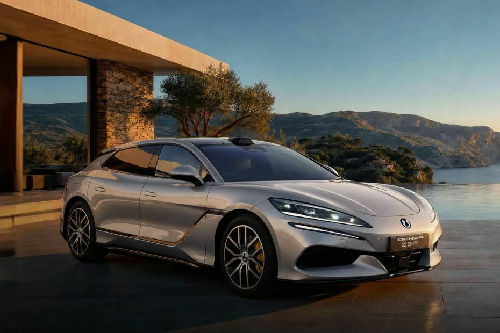
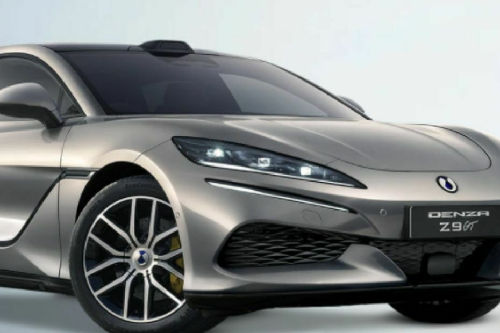
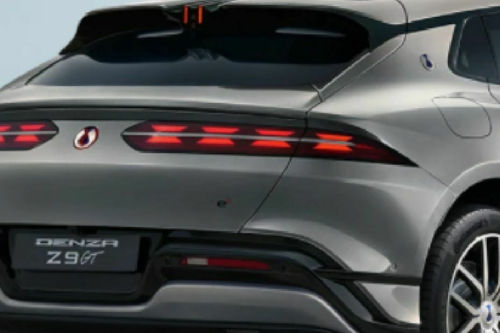
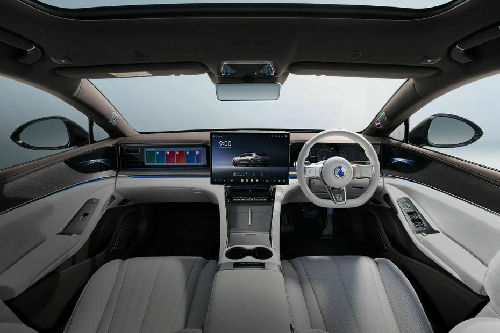
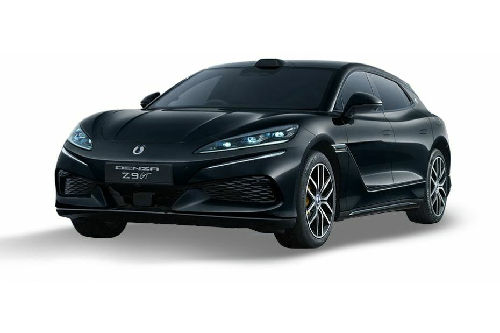
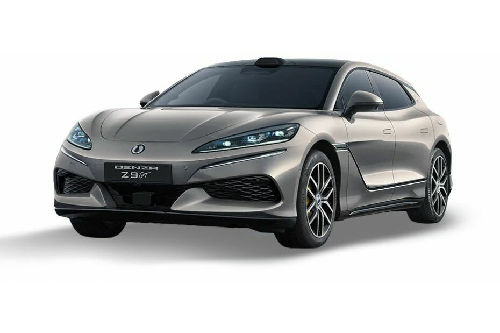
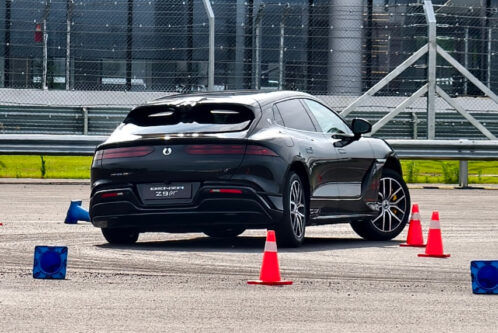
For example, an EV with a certain architecture will still only charge according to the maximum rate supported by the vehicle. To fully utilise BYD's flash charging capability, the vehicle will need to feature the company's latest technology, including the second-generation Blade Battery, which is used in the upcoming 800V architecture Denza Z9 GT that is set to be launched in Malaysia.
One common concern with ultra-fast charging is its impact on long-term battery health. According to Jacob Ma, BYD's flash charging technology does not cause additional damage to the battery.
This does not mean that battery degradation is eliminated completely. Like all EV batteries, degradation will still occur naturally over time, but BYD says flash charging does not accelerate the process.
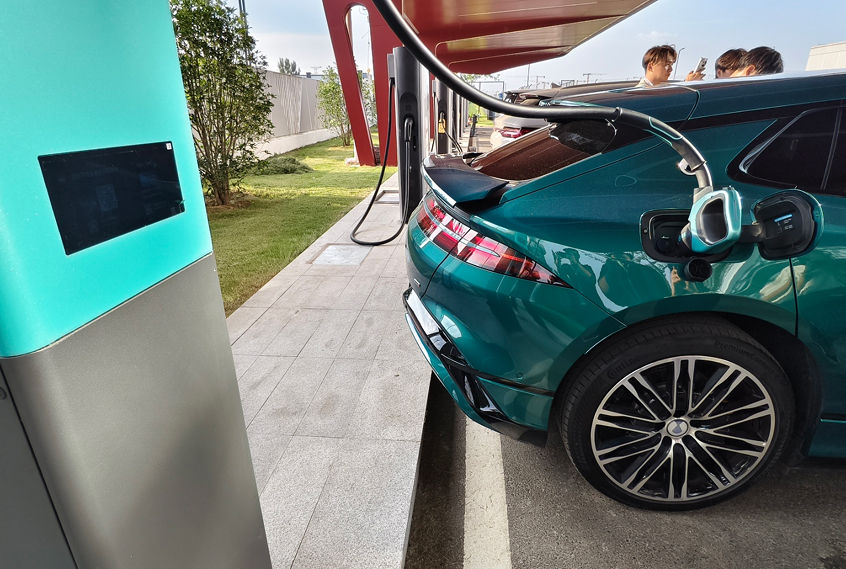 Photo by Adam Aubrey
In China, vehicles supporting flash charging continue to receive regular battery warranty coverage, although the exact battery health requirements and warranty conditions differ according to market.
For Malaysia, BYD has yet to announce the official warranty details for flash charging-supported models.
Pricing for flash charging sessions, the total number of chargers planned, and the full rollout timeline have also not been revealed, with the technology still in its early preliminary phase for the Malaysian market.
While current EV discussions often focus on battery capacity and driving range, BYD believes the next stage of EV development will focus heavily on reducing charging times and making the charging experience closer to the refuelling process of conventional vehicles.
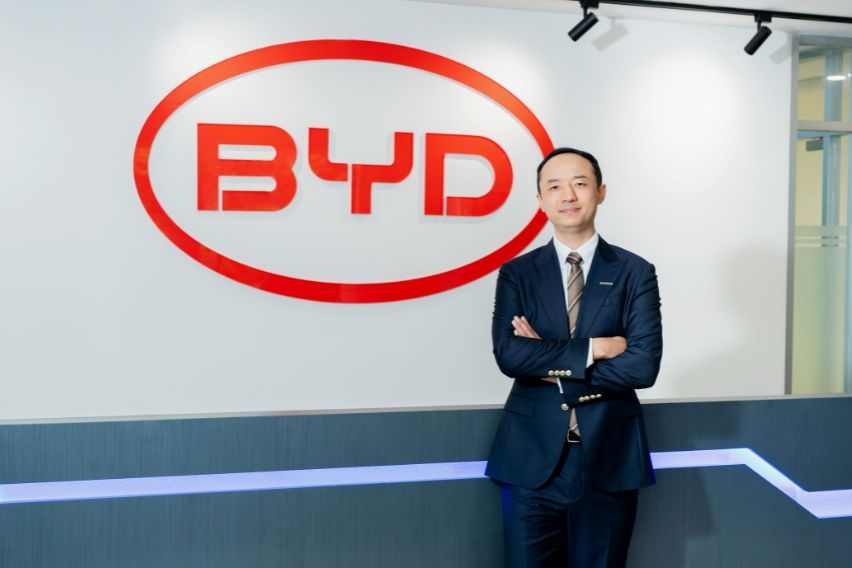 Photo from BYD
"We should treat this technology as the second generation of electric vehicles and this is the future of EVs", said BYD Malaysia's Managing Director
The second-generation BYD Blade Battery builds on the foundation of the original Blade Battery, which was primarily developed around improving battery safety, durability, and packaging efficiency.
The first-generation version, which is currently used in models such as the BYD Atto 3, Dolphin, and Seal, introduced BYD’s long LFP (lithium iron phosphate) blade-shaped cells and Cell-to-Pack design, allowing the company to improve structural strength while maintaining the chemistry’s reputation for stability.
With the second-generation Blade Battery, BYD’s focus has shifted towards increasing charging performance. The new battery has been engineered to handle much higher charging speeds by improving areas such as energy density, thermal management, and the ability of the cells to accept higher power input.
However, achieving flash charging speeds does not depend on the battery alone, as the vehicle also requires the correct high-voltage architecture, supporting hardware, and compatible charging infrastructure.
Also Read: New BYD Atto 3 repeats history: Hits 1,000 bookings in 10 days

-
Explore Denza Z9 GT
-
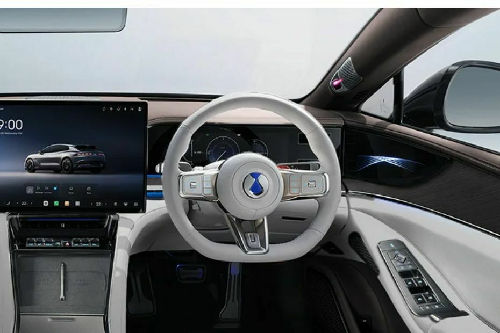
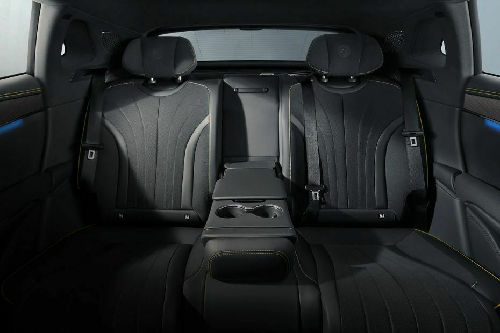
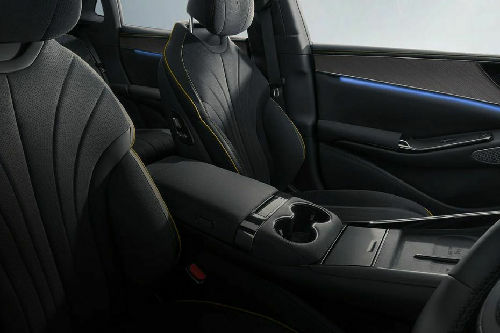
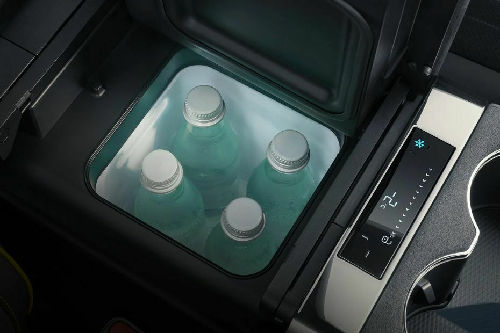
Denza Z9 GT Related Stories
- News
-
 Denza Z9S electric sedan breaks cover in China, here’s what we know so far
KUALA LUMPUR: BYD’s premium sub-brand, Denza, has officially revealed a new premium electric sedan in China, called the Z9S, which...
Read MoreSippi Vig, Jul 23, 2026 -
Weekly wrapup: Volkswagen Tayron, Denza Z9GT, New BMW 218 Gran Coupe launched, Omoda C7 PHEV previewed, and more
This week was jam-packed with one major launch event after another. From Volkswagen introducing the new 7-seater Tayron SUV to...
Read MoreSippi Vig, Jul 17, 2026 -
Denza Z9GT launched in Malaysia, here’s everything you need to know
KUALA LUMPUR: After several official previews, Denza Sime Motors has finally launched the Z9GT in Malaysia. Touted as the country’s...
Read MoreSippi Vig, Jul 16, 2026

Denza Car Models
-

Denza D9 -
Denza Z9 GT -
Denza B8
Don't Miss
-
Denza Z9S electric sedan breaks cover in China, here’s what we know so far
-
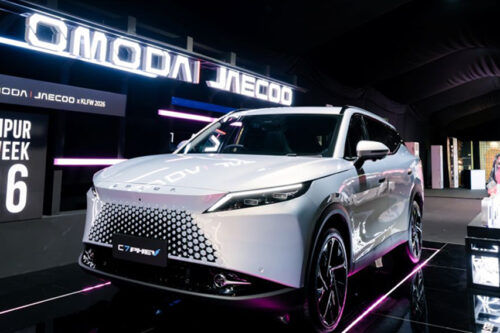
Weekly wrapup: Volkswagen Tayron, Denza Z9GT, New BMW 218 Gran Coupe launched, Omoda C7 PHEV previewed, and more
-
Denza Z9GT launched in Malaysia, here’s everything you need to know
-
Denza Z9GT launching in Malaysia on 15 July, here's everything we know so far
-
Weekly wrap-up: Denza Z9GT launch date confirmed, Volkswagen Tayron teased, Next-gen BMW X5 revealed globally, and more

KLIMS 2026


Malaysia Autoshow
Trending & Fresh Updates
- Latest
- Popular
-

-
-
-
-
-
-
-
-
-
Electric Car: A comprehensive buying guidePurva Jain, Jul 01, 2024
-
Must watch automotive movies for enthusiastsPurva Jain, Feb 21, 2024
-
Car Rust-proofing 101: All you need to knowPurva Jain, Feb 15, 2024





-
-
-
New Leapmotor showroom opens in Petaling JayaSippi Vig, Aug 10, 2026
-
-
-
-
-
-
You might also be interested in
- News
- Featured Stories

-
-
-
-
-
-
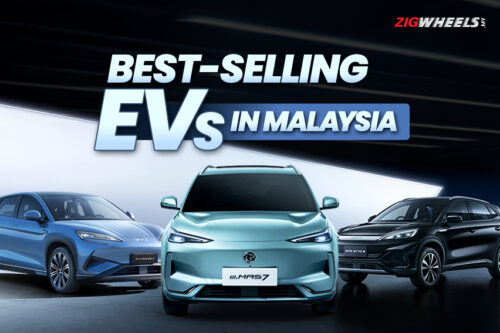
Top 10 best-selling EVs in Malaysia for 2025Sippi Vig, Dec 26, 2025

Denza Featured Cars
- Latest
- Popular
-
Denza B8RM 458,800 - 518,800 OTR Price Kuala LumpurEMI : RM 5,361 x 84Write a Review VIEW AUGUST OFFERS
-
Denza D9RM 299,000 - 355,000 OTR Price Kuala LumpurEMI : RM 3,494 x 844.33 (6 Reviews) VIEW AUGUST OFFERS
-
Denza B8RM 458,800 - 518,800 OTR Price Kuala LumpurEMI : RM 5,361 x 84Write a Review VIEW AUGUST OFFERS
Compare & Recommended
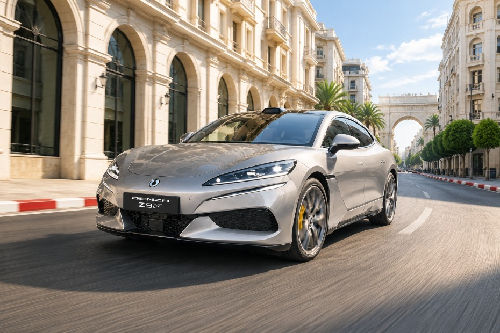
Denza Z9 GT
RM 358,800
Write a Review
Z9 GT Price
|
|
|
|
|
|
Seating Capacity
5
|
5
|
5
|
5
|
5
|
|
Fuel Type
Electric
|
Petrol
|
Petrol
|
Petrol
|
Petrol
|
|
Power
1140
|
192
|
192
|
296
|
306
|
|
Torque
1210 Nm
|
280 Nm
|
280 Nm
|
420 Nm
|
450 Nm
|
|
Transmission Type
Automatic
|
Automatic
|
Automatic
|
Dual Clutch
|
Automatic
|
|
Engine
-
|
1998
|
1998
|
1798
|
1998
|
|
Ground Clearance
-
|
-
|
-
|
-
|
-
|
|
|
Trending Wagon
- Latest
- Popular
-
Porsche TaycanRM 575,000 - 1.06 Million OTR Price Kuala LumpurEMI : RM 6,719 x 844.72 (18 Reviews) VIEW AUGUST OFFERS
-
Mazda 6 TouringRM 230,000 OTR Price Kuala LumpurEMI : RM 2,687 x 844.33 (24 Reviews) VIEW AUGUST OFFERS
-
Audi RS 4 AvantRM 832,655 OTR Price Kuala LumpurEMI : RM 9,731 x 844.61 (18 Reviews) VIEW AUGUST OFFERS
-
Audi RS 6 AvantRM 1.05 Million OTR Price Kuala LumpurEMI : RM 12,252 x 844.5 (20 Reviews) VIEW AUGUST OFFERS
-
Volvo V60RM 321,888 Off Road Price Kuala LumpurEMI : RM 3,761 x 844.53 (19 Reviews) VIEW AUGUST OFFERS
-
Subaru WRX WagonRM 285,245 OTR Price Kuala LumpurEMI : RM 3,334 x 844.27 (11 Reviews) VIEW AUGUST OFFERS