First Impressions: Chery Tiggo 7 & Tiggo 8 PHEV – Malaysia’s most affordable Plug-in Hybrid SUVs Impress
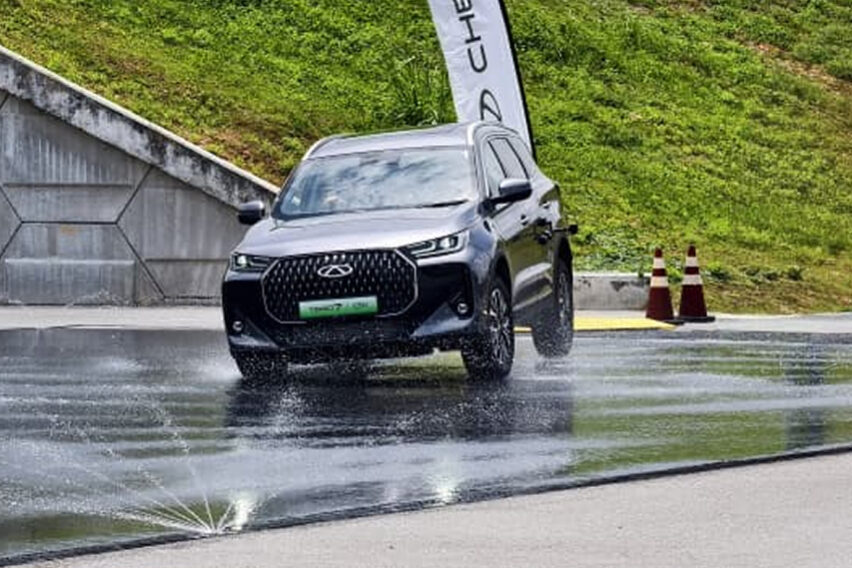
KUALA LUMPUR: It’s not every day you get handed the keys to a family SUV and then get told, “Alright, three laps around Sepang and then straight to the kick plate.”
KEY TAKEAWAYS
How far can the Tiggo 7 PHEV and Tiggo 8 PHEV go on EV power alone?
Both offer up to 90 km of EV-only range from their 18.3 kWh battery, with a total combined range of up to 1,200 km when paired with the 1.5L turbo engine.What makes the PHEV versions different from the petrol Tiggo Pro models?
The hybrids deliver smoother power delivery, seamless transition between electric and petrol, stronger refinement, and premium cabin upgrades. Plus, they include DC fast charging and V2L to power external devices.But that’s exactly what Chery Malaysia organised at the Sepang International Circuit Driving Experience Centre, putting its freshly-launched Tiggo 7 PHEV and Tiggo 8 PHEV through tests more commonly associated with sports cars than seven-seaters.
At first glance, it feels like an odd setting. But in reality, it’s the perfect way to showcase what the new plug-in hybrid powertrains have done to transform Chery’s Tiggo SUVs.
Smoother, Stronger – The powertrain upgrade
Both models use Chery’s CSH (Chery Super Hybrid) system, pairing a 1.5-litre turbocharged TGDi Miller-cycle engine (143 PS/215 Nm) with a 204 PS/310 Nm electric motor through a Dedicated Hybrid Transmission (DHT150).
Together, that gives the Tiggo 7 PHEV a combined output of 279 PS and 365 Nm, while the larger Tiggo 8 PHEV is quoted at 275 PS and 365 Nm, both driving the front wheels.
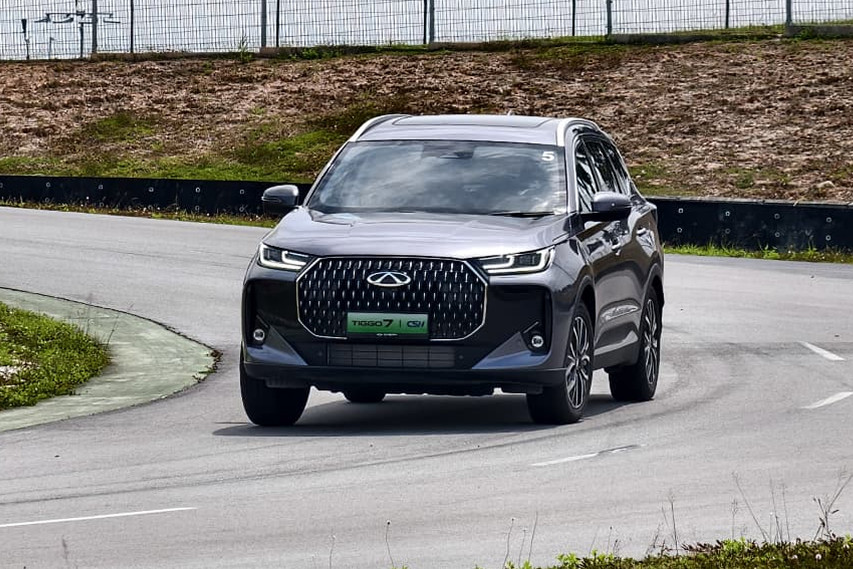 Photo by Adam Aubrey
On the short handling course, the difference compared to the ICE Tiggo 7 Pro and 8 Pro was immediate. Gone was the inconsistent throttle feel and slightly jerky transmission calibration.
Instead, the PHEVs delivered predictable, steady power. The electric motor’s instant torque smoothed everything out, making the “slow in, fast out” method through corners surprisingly satisfying.
Where it gets really impressive is in how the energy flow behaves. The transition between electric and engine power is seamless — you will notice when the 1.5 turbo steps in, but there's no pause or transition period, they just work in tandem.
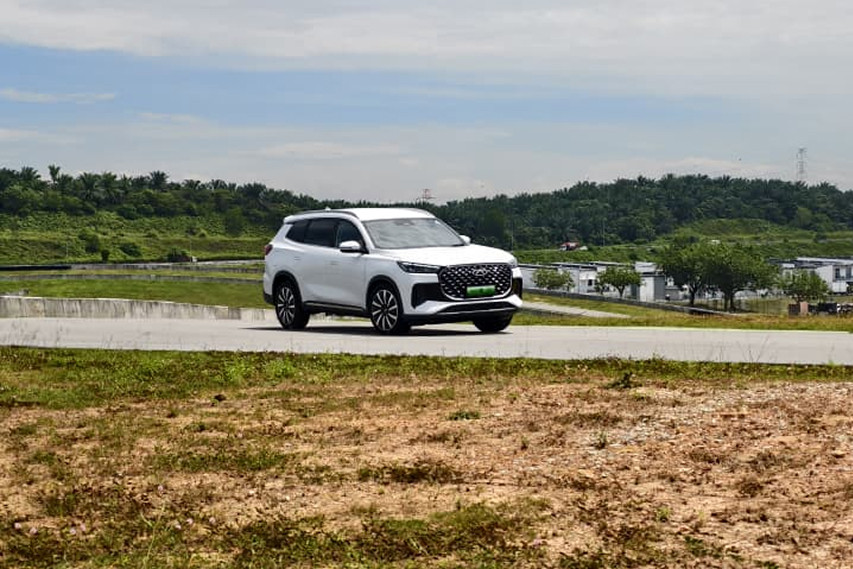 Photo by Adam Aubrey
Plant your foot hard, and the petrol engine kicks in not as a distraction, but as a boost, helping the motor deliver stronger acceleration. Then, once you ease off and go back into calm cruising, the car settles down again into near-silent EV-like running. It’s smooth, refined, and would be especially welcoming in traffic jams, feels like driving a pure EV.
The Tiggo 7 PHEV, being smaller, felt the more agile of the two, leaning into bends with a bit more eagerness. The Tiggo 8 PHEV, while obviously heavier, carried itself with confidence and showed how much the hybrid system’s linear response improved drivability. For SUVs not built to set lap records, they both held their own remarkably well.
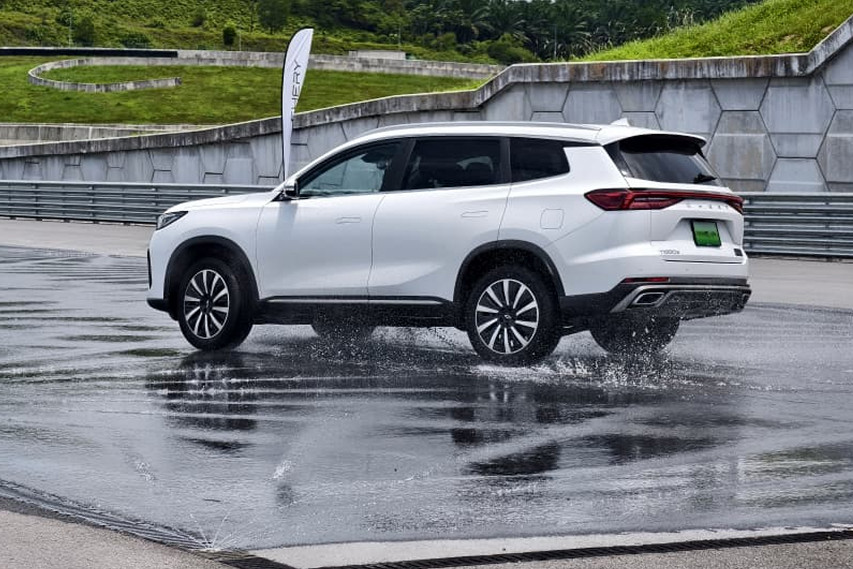 Photo by Adam Aubrey
Kick Plate – Stability on demand
If the handling laps were about flow, the kick plate was about chaos. At 50 km/h, the rear axle is suddenly shifted sideways, forcing the car into an unavoidable skid. This is where stability control either saves the day or embarrasses the vehicle.
Here, the Tiggo 7 and 8 PHEV impressed. The moment the rear stepped out, the ESP (Electronic Stability Program) intervened quickly, giving drivers just enough time to countersteer before neatly bringing the car straight again.
The system’s speed and transparency gave confidence that, in real-world slippery conditions — heavy rain, oil patches, or even a sudden swerve — you’d be back in control almost instantly.
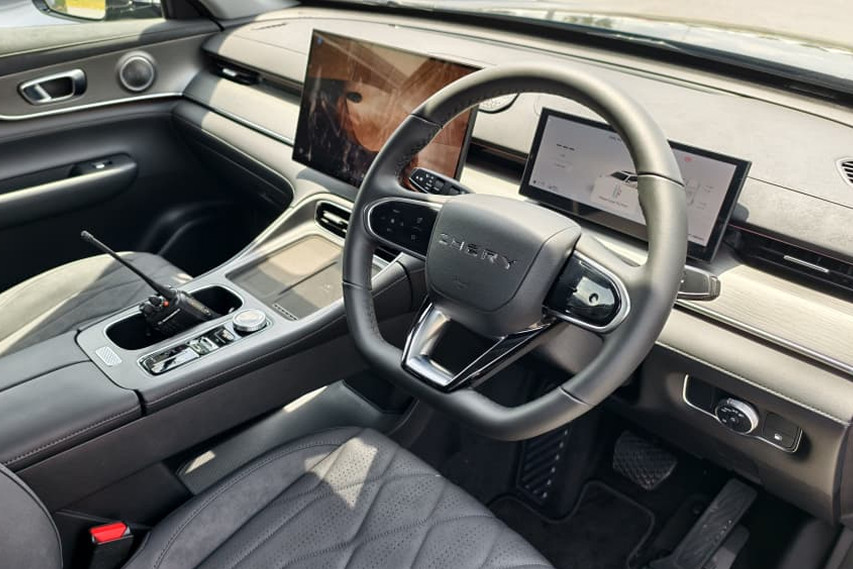 Photo by Adam Aubrey
Interiors & Design – A step forward
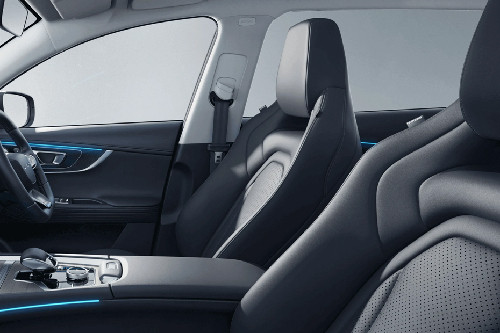
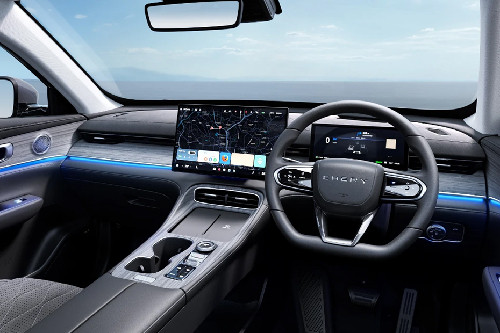
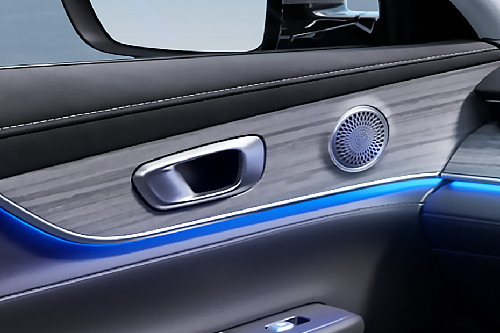
Inside, the Tiggo 8 PHEV is where I found myself particularly impressed. The cabin has had a noticeable revamp, with better materials throughout — especially the seats, which now feature a material resembling alcantara, giving off a distinctly premium vibe.
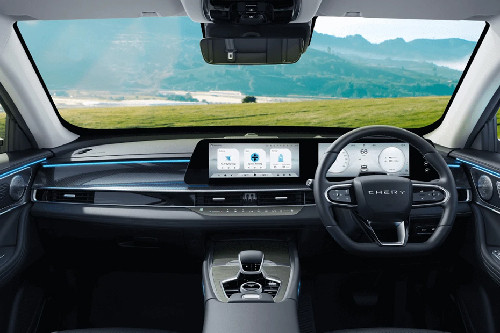
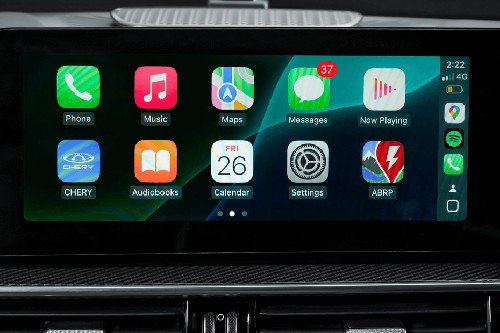
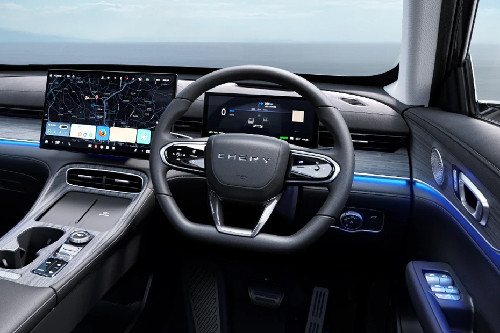
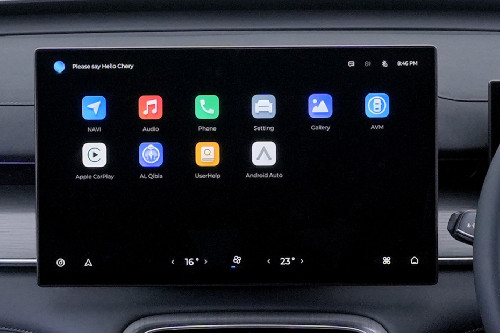
The dashboard has also been redesigned compared to the ICE version, with the physical AC controls removed from the mid-dash and functions moved entirely to the infotainment screen.
It does mean you’ll have to adjust the air-conditioning through the display, but in this case I’ll take that sacrifice, as the overall look and feel is far more upmarket.
By contrast, the Tiggo 7 PHEV’s interior hasn’t changed as much relative to its ICE sibling, though the materials now feel noticeably better. Where the 7 really shines is outside.
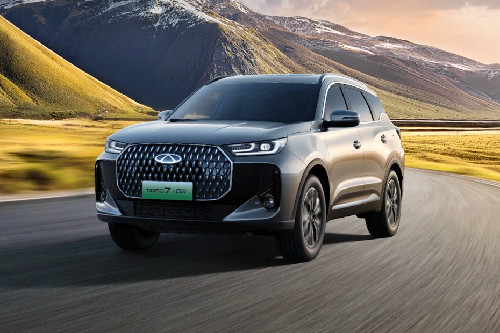
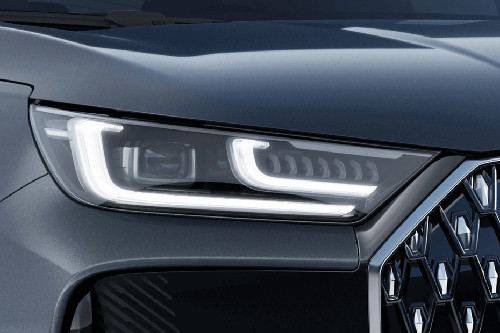
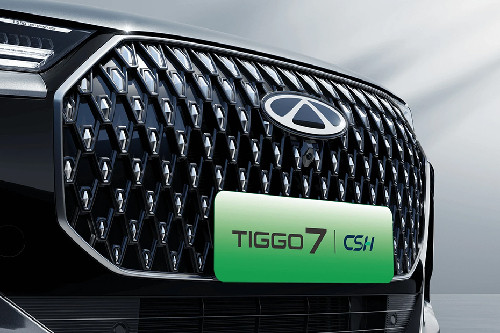
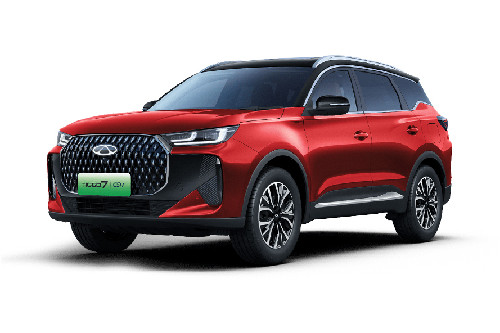
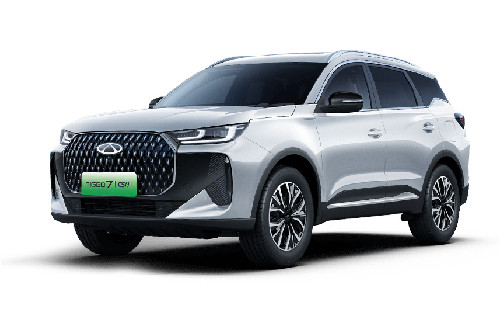
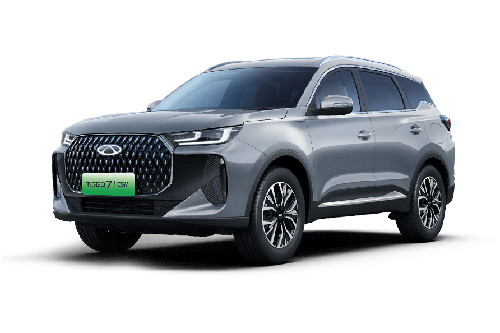
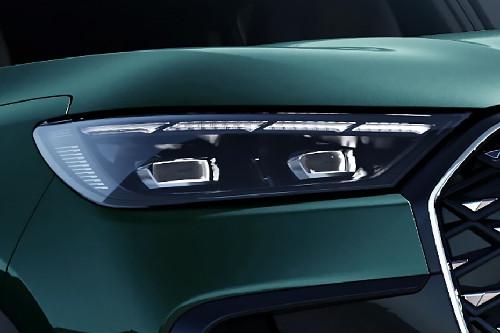
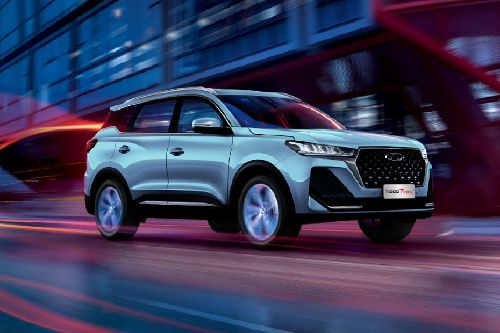
On the Tiggo 7 PHEV, the styling cues lean towards a sharper and more contemporary vibe. Up front, it now features a closed-off diamond-pattern grille flanked by reprofiled headlights with twin L-shaped DRLs, while the bumper has been reshaped with bolder gloss-black inserts.
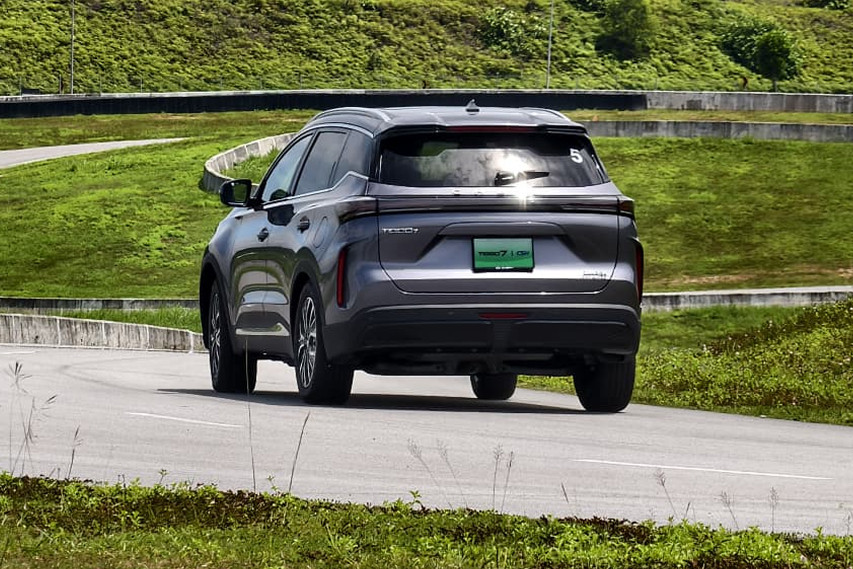 Photo by Adam Aubrey
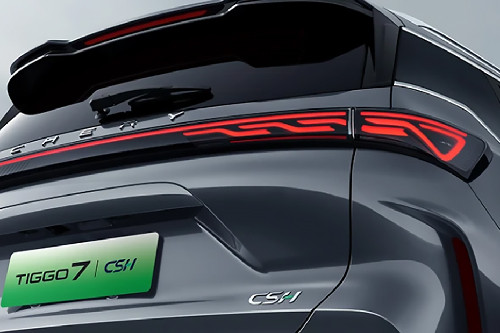
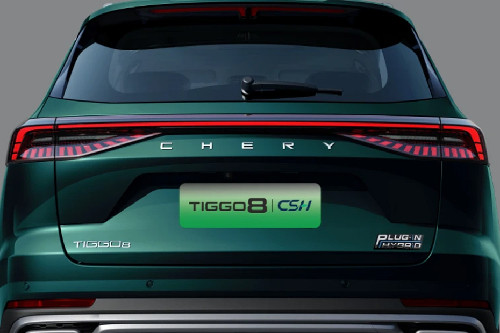
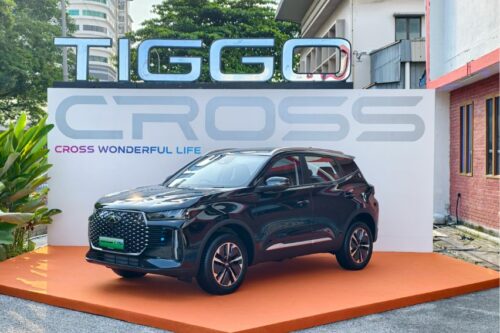
At the rear, the updates are even more striking — the slimmer tail lamps are joined by a full-width light bar, echoing the Tiggo Cross, and the number plate has been moved to create a cleaner overall rear profile.
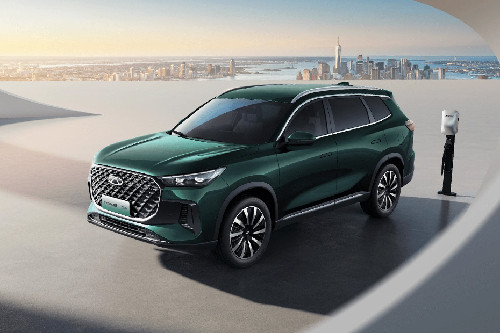
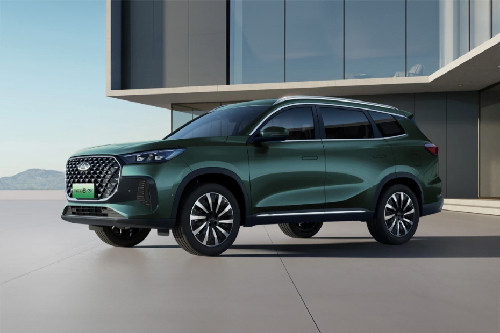
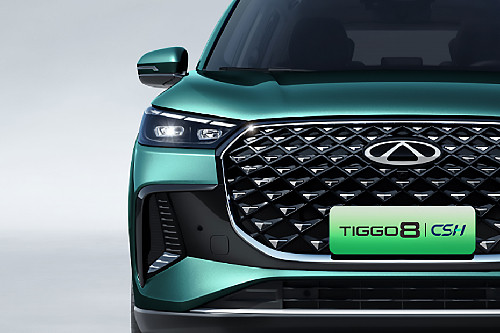
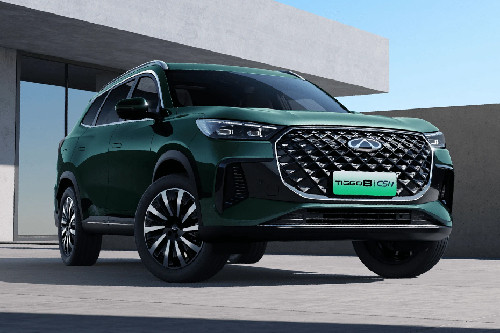
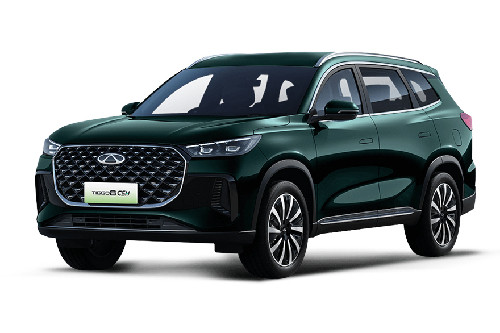
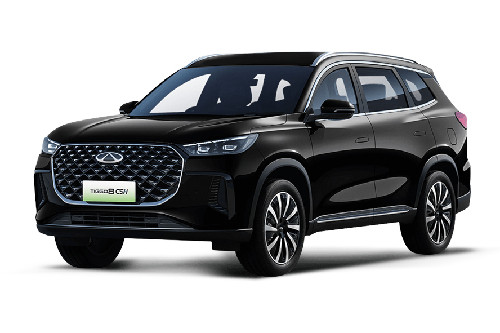
The Tiggo 8 PHEV, in contrast, adopts a subtler evolution of its design. The headlights have been narrowed, the grille surround made slimmer, and the front bumper revised with functional air curtains for better aerodynamics.
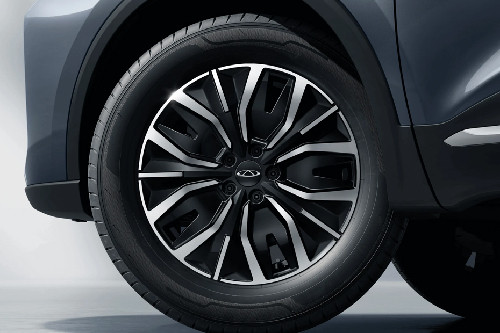
New flush-fitting door handles and trapezoidal exhaust finishers round off the changes, giving the SUV a neater, more electrified appearance that matches its PHEV character.
The biggest revelation from the short test was how much the plug-in hybrid system elevated the Tiggo 7 and 8’s overall character. Where the petrol-only versions sometimes felt inconsistent, the PHEVs are smooth, predictable, and punchy, with stability systems that genuinely inspire confidence.
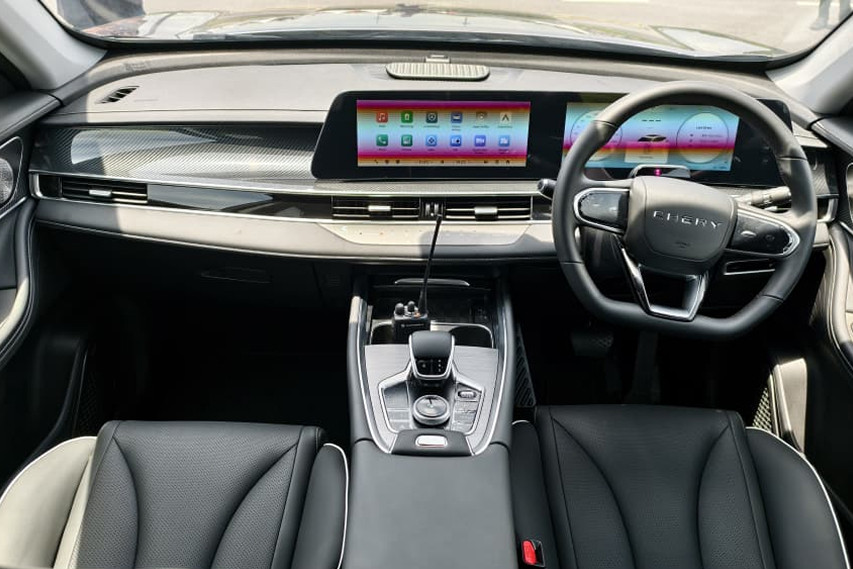 Photo by Adam Aubrey
And beyond the driving, the spec sheet seals the deal. Both SUVs come with an 18.3 kWh LFP battery, good for up to 90 km EV-only range and a total 1,200 km combined range with the 60-litre tank. Charging is flexible — from DC fast charging (30–80% in 19 mins) to a simple household plug. Plus, both offer V2L (3.3 kW) to power external devices.
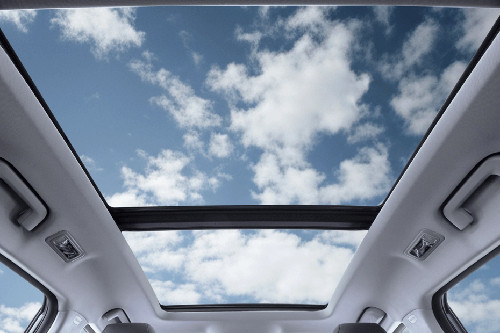
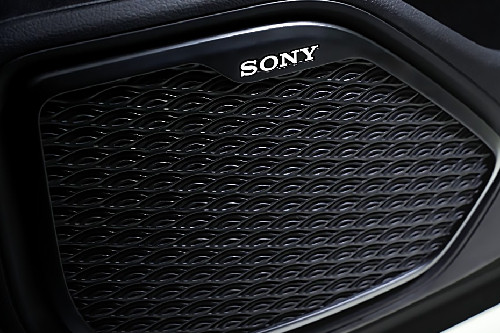
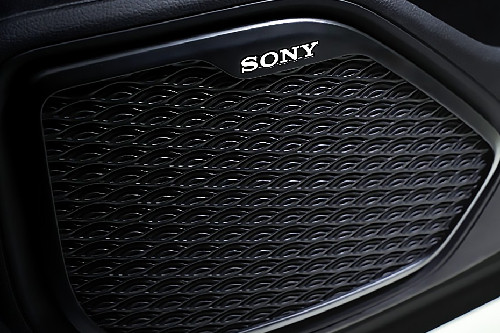
Inside, the Tiggo 7 PHEV (RM129,800) skews youthful with its dual 12.3-inch displays, ventilated seats, and sporty vibe, while the Tiggo 8 PHEV (RM159,800) takes the premium route with a 15.6-inch central screen, Sony audio, ambient lighting, and full seven-seat practicality.
Safety is generous too, with eight airbags and a full ADAS suite, including extra driver monitoring functions depending on variant.
For Malaysians interested in value, these SUVs are hard to ignore. The Tiggo 7 PHEV is officially the most affordable plug-in hybrid SUV in the country, while the Tiggo 8 PHEV makes electrification viable for larger families.
Both show how Chery is positioning itself not just as a challenger, but as a brand genuinely shaping the mainstream hybrid conversation here.
Also Read: Chery Malaysia rolls out Super Hybrid Tech, TIGGO 7 and 8 PHEV models to lead the way

-
Explore Chery Tiggo 7 PHEV
-
-
Explore Chery Tiggo 8 PHEV
-

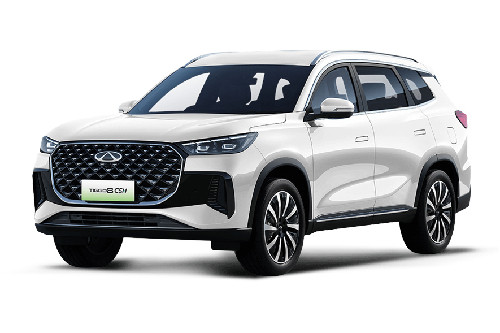
Chery Tiggo 8 PHEV Related Stories
- News
-
 Chery Malaysia holds first Super Hybrid Battery Safety Challenge, Tiggo 7 PHEV and Tiggo 8 PHEV battery put through live fire test
KUALA LUMPUR: Chery Malaysia has held its first Chery Super Hybrid Battery Safety Challenge in Malaysia, using a live fire...
Read MoreAdam Aubrey, Apr 17, 2026 -
CarLinko mobile app launched for Chery PHEV SUVs
KUALA LUMPUR: Chery Malaysia marked its entry into the country’s plug-in hybrid space with the launch of the Tiggo 7...
Read MoreSippi Vig, Apr 09, 2026 -
Chery Malaysia launches 2026 Hari Raya deals, Tiggo Cross HEV and Tiggo PHEV rebates announced
KUALA LUMPUR: Chery Malaysia is using the Hari Raya period to push a wide round of promotions across its model...
Read MoreAdam Aubrey, Mar 07, 2026



Chery Car Models
-

Chery Tiggo 7 Pro -
Chery Tiggo 8 Pro -
Chery Omoda E5 -
Chery Tiggo Cross -
Chery Tiggo 7 PHEV -
Chery Tiggo 8 PHEV -
Chery O5 -
Chery Tiggo 8 -
Chery Tiggo 9
Don't Miss
-
MG owners’ gathering event held in Langkawi, the biggest-ever in Northern Malaysia
-
KLIMS 2026: Nissan previews upcoming X-Trail e-POWER x e-4ORCE
-
Top 10 cars to see at 2026 Kuala Lumpur International Mobility Show
-
Chery Malaysia holds first Super Hybrid Battery Safety Challenge, Tiggo 7 PHEV and Tiggo 8 PHEV battery put through live fire test
-
CarLinko mobile app launched for Chery PHEV SUVs
KLIMS 2026


Malaysia Autoshow
Trending & Fresh Updates
- Latest
- Popular
-
 Suzuki opens a new 1S centre in JuruSippi Vig, Sep 14, 2026
 -
-
-
-
-
-
-
-
-
Electric Car: A comprehensive buying guidePurva Jain, Jul 01, 2024
-
Must watch automotive movies for enthusiastsPurva Jain, Feb 21, 2024
-
Car Rust-proofing 101: All you need to knowPurva Jain, Feb 15, 2024




You might also be interested in
- News
- Featured Stories

Chery Featured Cars
- Latest
- Upcoming
- Popular
-
Chery Tiggo 9RM 166,800 OTR Price Kuala LumpurEMI : RM 1,948 x 84Write a Review VIEW SEPTEMBER OFFERS
-
Chery Tiggo 8RM 129,800 OTR Price Kuala LumpurEMI : RM 1,516 x 84Write a Review VIEW SEPTEMBER OFFERS
-
Chery Tiggo 7 PHEVRM 129,800 OTR Price Kuala LumpurEMI : RM 1,516 x 844.33 (3 Reviews) VIEW SEPTEMBER OFFERS
-
Chery Tiggo 7 ProRM 123,800 OTR Price Kuala LumpurEMI : RM 1,446 x 844 (5 Reviews) VIEW SEPTEMBER OFFERS
-
Chery Tiggo 8 ProRM 159,800 OTR Price Kuala LumpurEMI : RM 1,866 x 844.33 (9 Reviews) VIEW SEPTEMBER OFFERS
-
Chery Omoda E5RM 146,818 OTR Price Kuala LumpurEMI : RM 1,715 x 843.71 (7 Reviews) VIEW SEPTEMBER OFFERS
-
Chery Tiggo CrossRM 88,800 - 99,800 OTR Price Kuala LumpurEMI : RM 1,037 x 844 (2 Reviews) VIEW SEPTEMBER OFFERS
-
Chery Tiggo 7 PHEVRM 129,800 OTR Price Kuala LumpurEMI : RM 1,516 x 844.33 (3 Reviews) VIEW SEPTEMBER OFFERS
Compare & Recommended
Chery Tiggo 8 PHEV
RM 159,800
Tiggo 8 PHEV Price
|
|
|
|
|
|
Seating Capacity
7
|
5
|
7
|
7
|
7
|
|
Fuel Type
Petrol
|
Petrol
|
Petrol
|
Petrol
|
Petrol
|
|
Engine
1498
|
1598
|
1997
|
1598
|
2488
|
|
Power
141
|
165
|
142
|
165
|
192
|
|
Torque
215 Nm
|
240 Nm
|
200 Nm
|
240 Nm
|
258 Nm
|
|
Transmission Type
Dedicated Hybrid Transmission
|
Automatic
|
CVT
|
Automatic
|
Automatic
|
|
Ground Clearance
-
|
198 mm
|
-
|
191 mm
|
-
|
|
|
Trending SUV
- Latest
- Upcoming
- Popular
-
JAECOO J5 EVRM 118,800 OTR Price Kuala LumpurEMI : RM 1,387 x 84Write a Review VIEW SEPTEMBER OFFERS
-
Porsche Cayenne ElectricRM 699,000 - 999,999 OTR Price Kuala LumpurEMI : RM 8,169 x 84Write a Review VIEW SEPTEMBER OFFERS
-
BMW iX3RM 378,800 OTR Price Kuala LumpurEMI : RM 4,426 x 844.67 (18 Reviews) VIEW SEPTEMBER OFFERS
-
Jetour T1RM 129,800 - 146,800 OTR Price Kuala LumpurEMI : RM 1,516 x 844 (2 Reviews) VIEW SEPTEMBER OFFERS
-
Volkswagen TayronRM 190,510 - 238,574 OTR Price Kuala LumpurEMI : RM 2,226 x 84Write a Review VIEW SEPTEMBER OFFERS
-
Chery Tiggo 9RM 166,800 OTR Price Kuala LumpurEMI : RM 1,948 x 84Write a Review VIEW SEPTEMBER OFFERS

-
MINI John Cooper WorksRM 218,888 - 393,888 OTR Price Kuala LumpurEMI : RM 2,557 x 844.38 (13 Reviews) VIEW SEPTEMBER OFFERS
-
Peugeot 3008RM 138,000 OTR Price Kuala LumpurEMI : RM 1,612 x 844.35 (23 Reviews) VIEW SEPTEMBER OFFERS
-
Toyota Corolla CrossRM 130,900 - 146,000 OTR Price Kuala LumpurEMI : RM 1,529 x 844.26 (47 Reviews) VIEW SEPTEMBER OFFERS
-
Toyota RushRM 93,000 - 97,000 OTR Price Kuala LumpurEMI : RM 1,086 x 844.27 (61 Reviews) VIEW SEPTEMBER OFFERS
-
Perodua AtivaRM 62,500 - 73,400 OTR Price Kuala LumpurEMI : RM 730 x 844.17 (46 Reviews) VIEW SEPTEMBER OFFERS
-
Mazda CX-5RM 143,300 - 187,200 OTR Price Kuala LumpurEMI : RM 1,674 x 844.36 (65 Reviews) VIEW SEPTEMBER OFFERS