Hyundai Santa Fe: 5 things to know about car safety
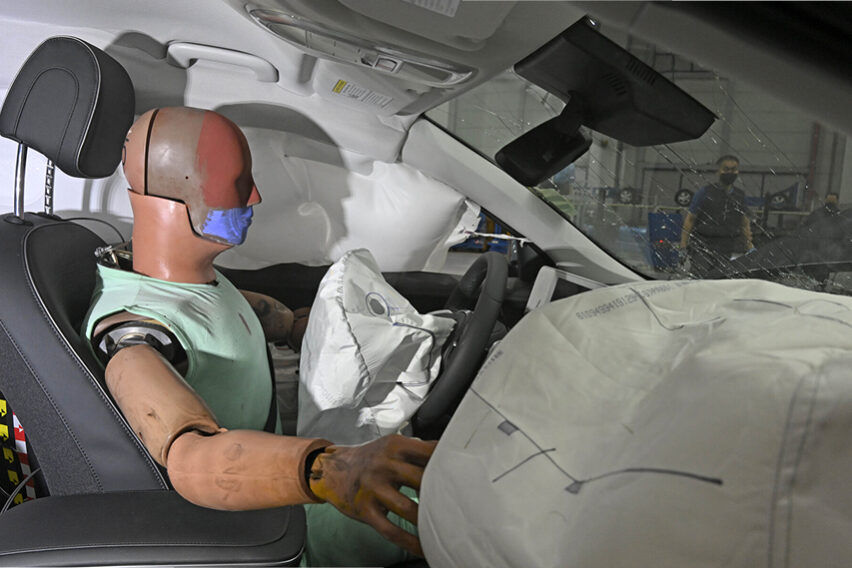
KUALA LUMPUR: Airbags, autonomous emergency braking, a five-star crash-test rating. These are the things we tend to look for when shopping for a family car. Fair enough, but the brochure only tells you so much.
KEY TAKEAWAYS
What is the difference between active and passive car safety?
Active safety systems, such as autonomous emergency braking and lane-keeping assist, help drivers avoid or mitigate certain accidents. Passive safety includes the body structure, seatbelts, airbags and head restraints that help protect occupants during a collision.How does the Hyundai Santa Fe’s body structure help protect passengers?
The Santa Fe combines structural sections designed to absorb impact energy with reinforced areas intended to preserve passenger space. Its subframe, engine compartment structure and reinforced side sections help manage crash forces.Hyundai’s latest safety explainer uses the Santa Fe to look underneath the bodywork. We’ve pulled out five points worth knowing before your next showroom visit.
Also Read: 2027 Hyundai Tucson revealed globally, here are 5 things to know
 Photo from Hyundai
1. Avoiding a crash and surviving one are different jobs
Autonomous emergency braking and lane-keeping assist can help in certain situations, within their operating limits. They cannot prevent every accident.
If a collision happens, the body structure, seatbelts, airbags and head restraints have to manage the consequences. The structure helps preserve space around you, while the restraint systems help control your movement. A lengthy ADAS list is useful, but it only covers part of the protection.
2. A car that crumples is not necessarily badly built
Some parts of a car are deliberately designed to deform during an impact. That deformation absorbs energy, while reinforced sections help protect the passenger compartment.
The aim is to manage where the forces go and how the structure responds. Judging crash protection purely by how damaged a car looks afterwards misses that distinction.
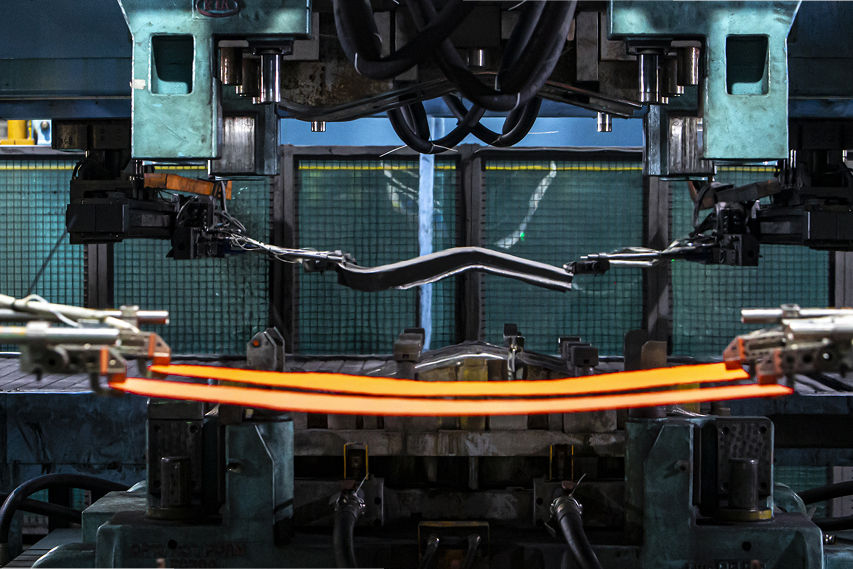 Photo from Hyundai
3. The steel you cannot see deserves attention
Different parts of the body need different materials. Areas around the pillars, side sills and roof rails typically use stronger steel to help preserve cabin space.
In the Santa Fe, Hyundai has increased hot stamping from 13.2% in the previous model to 15.3%. Average body tensile strength has also risen by 4.5%. Hot stamping involves heating steel above 900°C, forming it and rapidly cooling it to produce high-strength components.
Those figures describe the construction. They do not mean passengers are automatically 4.5% better protected; the whole structure and restraint system still need to perform together.
4. Crash tests put the engineering to the test
Steel grades and construction methods tell you how a car is built. Crash testing helps show how that engineering performs.
The Santa Fe earned a 2026 IIHS Top Safety Pick+ award and a five-star ANCAP rating with a 2024 assessment datestamp, providing independent recognition of its safety performance.
For buyers, the individual test results offer more detail on occupant protection and crash avoidance. Just check which model year and market specification the assessment covers when comparing cars.
5. Check whether the safety equipment suits your family
Bring your child seat to the showroom and check that it can be installed correctly according to the vehicle and child-seat manufacturers’ instructions. Check the seatbelt and head-restraint adjustments for your regular passengers, too.
Then confirm the equipment on the exact variant you intend to buy. A feature shown in an advertisement may belong to another version.
For everyday driving, these checks are more useful than simply counting features. They help establish whether the car’s protection actually suits the people travelling in it.

-
Explore Hyundai Santa Fe
-


Hyundai Santa Fe Related Stories
- News
- Expert Review
-
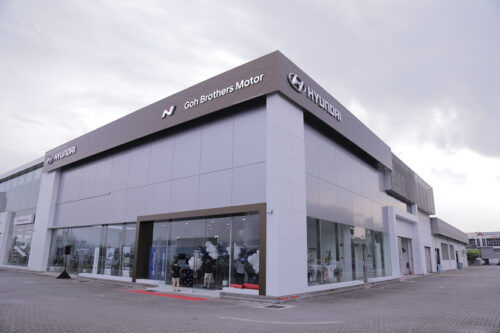
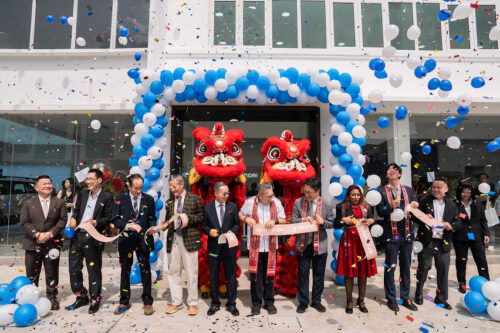
 New Hyundai 4S centre opens in Penang, offering grand opening deals
KUALA LUMPUR: Hyundai Motor Malaysia has opened the doors of a new 4S centre in Juru, Pulau Pinang, reinforcing the...
Read MoreSippi Vig, Aug 20, 2026 -
Hyundai Motor Malaysia turns 1, announces monthly prizes, rebates, subsidies, and more
KUALA LUMPUR: Hyundai stepped up its game in Malaysia last year by taking full control of its brand presence in...
Read MoreSippi Vig, Jul 07, 2026 -
New Hyundai 3S centre opens in Kuching, offering grand opening deals
KUALA LUMPUR: Hyundai Motor Malaysia has opened a new 3S in Kuching, in partnership with Heng Lian Enterprise Bhd. Officiated...
Read MoreSippi Vig, Jun 29, 2026

-
Review: 2025 Hyundai Santa Fe Hybrid - The hidden gem of family SUVs
It’s a quiet morning. The streets are just waking up, the air is crisp, and as a Hyundai Santa Fe...
Read MoreAdam Aubrey, Dec 26, 2024

Hyundai Car Models
-

Hyundai Staria -
Hyundai Santa Fe -
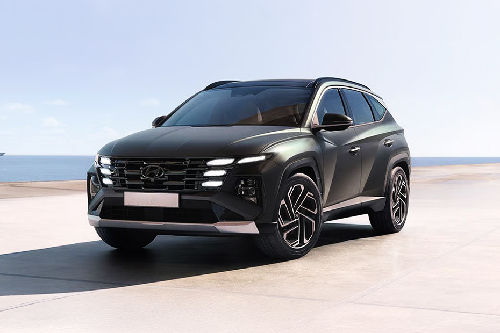
Hyundai Tucson -
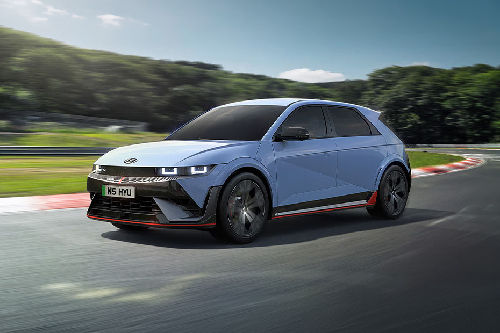
Hyundai Ioniq 5 N -
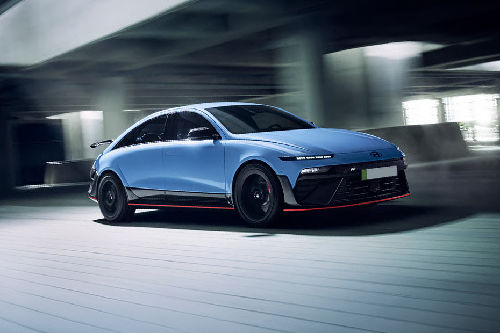
Hyundai Ioniq 6 N -
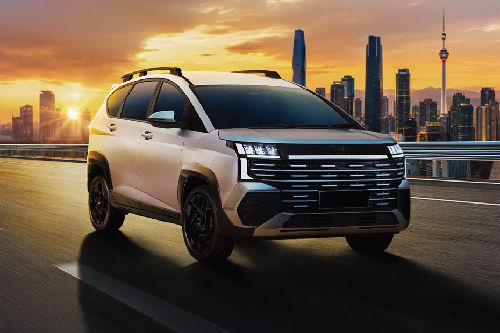
Hyundai Stargazer
Don't Miss
-
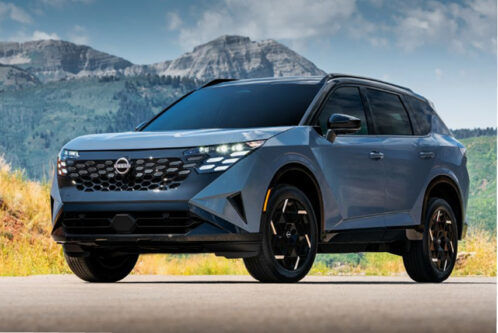
2027 Nissan Rogue Hybrid revealed: Next X-Trail gets a sharper look and new e-POWER system
-
New Hyundai 4S centre opens in Penang, offering grand opening deals
-
Hyundai Motor Malaysia turns 1, announces monthly prizes, rebates, subsidies, and more
-
New Hyundai 3S centre opens in Kuching, offering grand opening deals
-
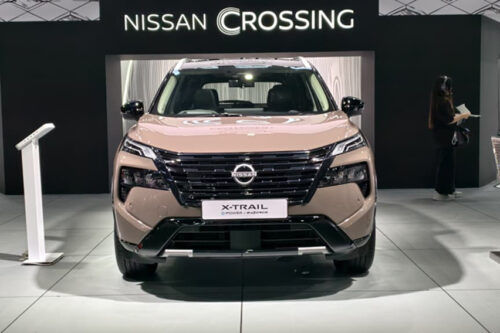
KLIMS 2026: Nissan previews upcoming X-Trail e-POWER x e-4ORCE
KLIMS 2026


Malaysia Autoshow
Trending & Fresh Updates
- Latest
- Popular
-

-
-
-
-
-
-
-
-
-
Electric Car: A comprehensive buying guidePurva Jain, Jul 01, 2024
-
Must watch automotive movies for enthusiastsPurva Jain, Feb 21, 2024
-
Car Rust-proofing 101: All you need to knowPurva Jain, Feb 15, 2024



You might also be interested in
- News
- Featured Stories
-
-
-
-
-
-
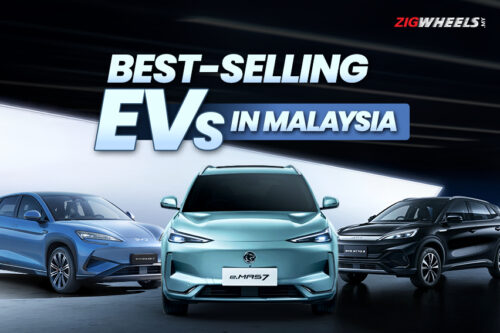
Top 10 best-selling EVs in Malaysia for 2025Sippi Vig, Dec 26, 2025

Hyundai Featured Cars
- Latest
- Popular
-
Hyundai StargazerRM 99,800 - 121,800 OTR Price Kuala LumpurEMI : RM 1,165 x 84Write a Review VIEW NOVEMBER OFFERS
-
Hyundai Ioniq 5 NRM 443,888 OTR Price Kuala LumpurEMI : RM 5,187 x 84Write a Review VIEW NOVEMBER OFFERS
-
Hyundai Ioniq 6 NRM 449,888 OTR Price Kuala LumpurEMI : RM 5,257 x 84Write a Review VIEW NOVEMBER OFFERS
-
Hyundai StariaRM 179,888 - 267,888 OTR Price Kuala LumpurEMI : RM 2,101 x 844.5 (14 Reviews) VIEW NOVEMBER OFFERS
-
Hyundai TucsonRM 159,800 - 189,800 OTR Price Kuala LumpurEMI : RM 1,866 x 844.33 (9 Reviews) VIEW NOVEMBER OFFERS
-
Hyundai Ioniq 5 NRM 443,888 OTR Price Kuala LumpurEMI : RM 5,187 x 84Write a Review VIEW NOVEMBER OFFERS
-
Hyundai Ioniq 6 NRM 449,888 OTR Price Kuala LumpurEMI : RM 5,257 x 84Write a Review VIEW NOVEMBER OFFERS
-
Hyundai StargazerRM 99,800 - 121,800 OTR Price Kuala LumpurEMI : RM 1,165 x 84Write a Review VIEW NOVEMBER OFFERS
Latest Hyundai Santa Fe Car Videos on Zigwheels

-
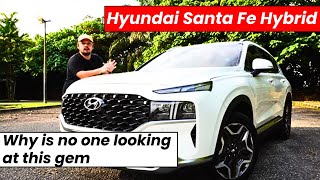
2025 Hyundai Santa Fe Hybrid Review | The Hidden Gem Among SUVs16 Jan, 2025 .
Compare & Recommended
Hyundai Santa Fe
RM 185,888 - 205,888
Santa Fe Price
|
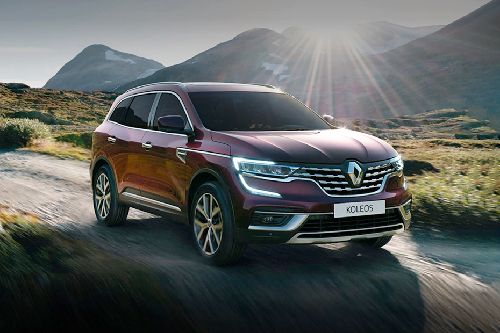
|
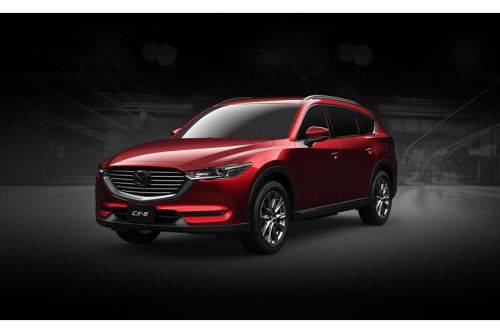
|
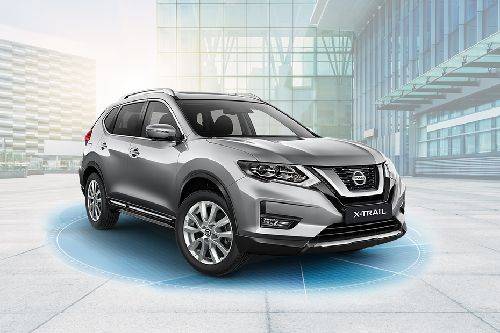
|
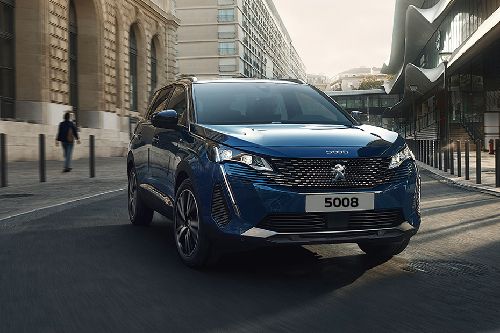
|
|
Seating Capacity
7
|
5
|
7
|
7
|
7
|
|
Fuel Type
Diesel
|
Petrol
|
Petrol
|
Petrol
|
Petrol
|
|
Engine
2198
|
2488
|
2488
|
1997
|
1598
|
|
Power
199
|
169
|
192
|
142
|
165
|
|
Torque
440 Nm
|
226 Nm
|
258 Nm
|
200 Nm
|
240 Nm
|
|
Transmission Type
Dual Clutch
|
CVT
|
Automatic
|
CVT
|
Automatic
|
|
Ground Clearance
-
|
160 mm
|
-
|
-
|
191 mm
|
|
|
Trending SUV
- Latest
- Upcoming
- Popular
-
Mazda CX-5 2026RM 168,510 - 171,510 OTR Price Kuala LumpurEMI : RM 1,969 x 844.36 (65 Reviews) VIEW NOVEMBER OFFERS
-
Jetour T2 i-DMRM 162,800 OTR Price Kuala LumpurEMI : RM 1,902 x 84Write a Review VIEW NOVEMBER OFFERS
-
Volvo EX30RM 198,888 - 218,888 OTR Price Kuala LumpurEMI : RM 2,324 x 844.33 (9 Reviews) VIEW NOVEMBER OFFERS
-
JAECOO J5 EVRM 118,800 OTR Price Kuala LumpurEMI : RM 1,387 x 84Write a Review VIEW NOVEMBER OFFERS
-
Porsche Cayenne ElectricRM 699,000 - 999,999 OTR Price Kuala LumpurEMI : RM 8,169 x 84Write a Review VIEW NOVEMBER OFFERS
-
BMW iX3RM 378,800 OTR Price Kuala LumpurEMI : RM 4,426 x 844.67 (18 Reviews) VIEW NOVEMBER OFFERS
-
MINI John Cooper WorksRM 218,888 - 393,888 OTR Price Kuala LumpurEMI : RM 2,557 x 844.38 (13 Reviews) VIEW NOVEMBER OFFERS
-
Peugeot 3008RM 138,000 OTR Price Kuala LumpurEMI : RM 1,612 x 844.35 (23 Reviews) VIEW NOVEMBER OFFERS
-
Toyota Corolla CrossRM 130,900 - 146,000 OTR Price Kuala LumpurEMI : RM 1,529 x 844.26 (47 Reviews) VIEW NOVEMBER OFFERS
-
Toyota RushRM 93,000 - 97,000 OTR Price Kuala LumpurEMI : RM 1,086 x 844.27 (61 Reviews) VIEW NOVEMBER OFFERS
-
Perodua AtivaRM 62,500 - 73,400 OTR Price Kuala LumpurEMI : RM 730 x 844.17 (46 Reviews) VIEW NOVEMBER OFFERS
-
Mazda CX-5RM 143,300 - 187,200 OTR Price Kuala LumpurEMI : RM 1,674 x 844.36 (65 Reviews) VIEW NOVEMBER OFFERS