Proton R&D centre in China turns one; marks key role in new model development
- KEY TAKEAWAYS
- How is PRDC driving innovation in Proton's R&D and EV development?
- Structured approach to product development
- Advancing electrical & electronics (E&E) integration
- Chassis, NVH & fuel efficiency improvements
- First EV milestone – e.MAS 7
- Thermal, charging & regenerative tech validation
- Future plans: Expanding R&D & workforce
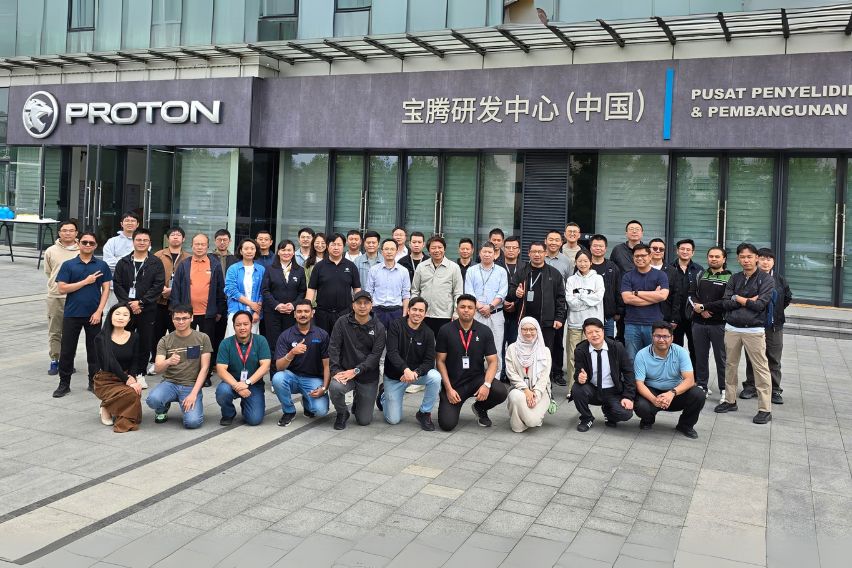
KUALA LUMPUR: In April last year, Proton established a Research and development centre (PRDC) in China as part of its joint efforts with business partner Geely. Located within the Geely Automobile Research Institute at Hangzhou Bay, this new facility is now celebrating its first anniversary.
KEY TAKEAWAYS
Where is the Proton’s R&D centre located in China?
Proton’s R&D centre in China is located within the Geely Automobile Research Institute in Hangzhou Bay.How did Geely support the development of Proton e.MAS 7?
Geely provided access to advanced facilities including battery laboratories, smart vehicle development centres, and powertrain test benches at Hangzhou Bay.Within a year, the venture empowered the brand’s R&D capabilities and accelerated its technological advancements, benefiting all Proton models.
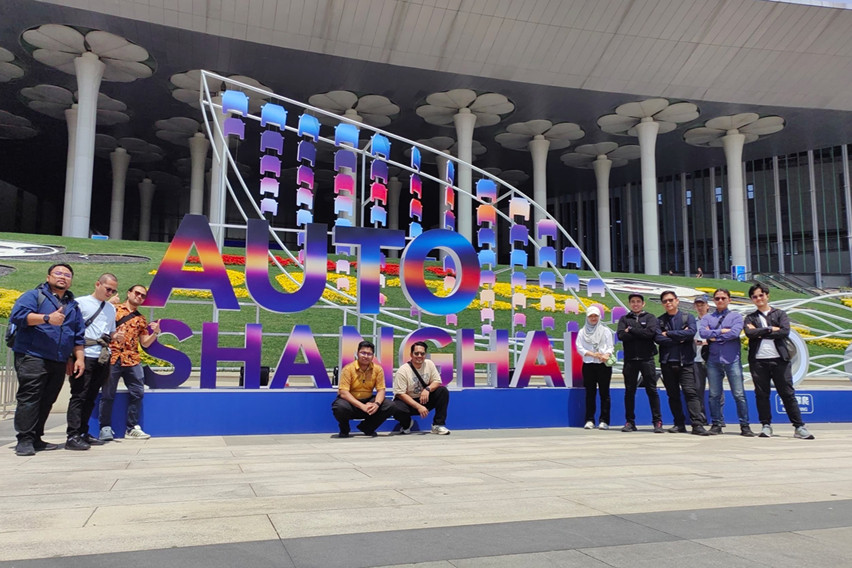 Photo from Proton
How is PRDC driving innovation in Proton's R&D and EV development?
Structured approach to product development
Ensuring alignment and efficient progress is a well-structured New Product Development System that comprises everything from product strategy to final validation and supports integration across teams.
Advancing electrical & electronics (E&E) integration
The collaboration also helps in integrating advanced vehicle E&E technologies for Proton’s next-gen models by providing access to cutting-edge platforms and tools.
Wan Fatin Nur Amira Binti Wan Rusli, Senior Engineer at the centre looking after Electrical and Electronics (E&E) and integration work started, “Over the past three months, I have seen how PRDC is contributing to the development of PROTON’s next-generation of intelligent vehicles through the integration of advanced vehicle E&E technologies.”
Chassis, NVH & fuel efficiency improvements
The facility also undertakes chassis and suspension optimisation tasks to offer Malaysian drivers refined driving dynamics. It aims to reduce NVH levels and improve fuel and braking efficiency.
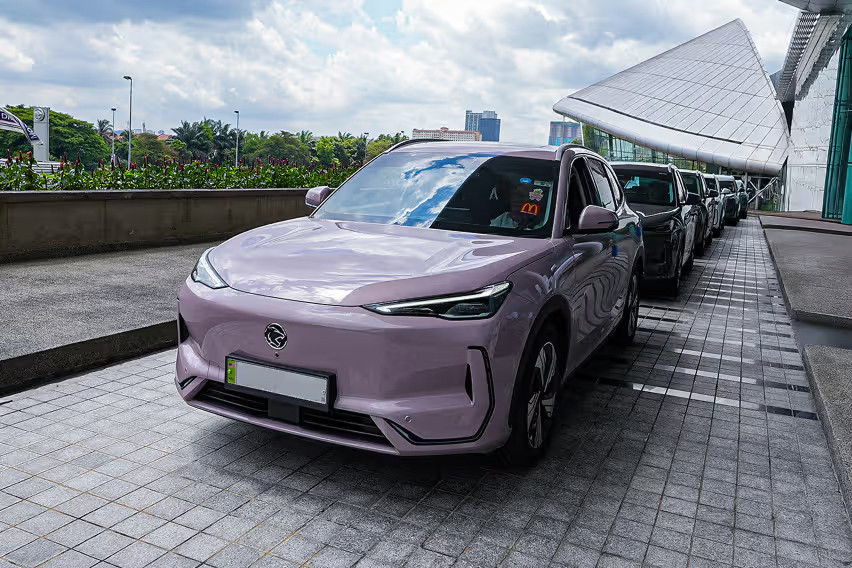 Photo from Proton
First EV milestone – e.MAS 7
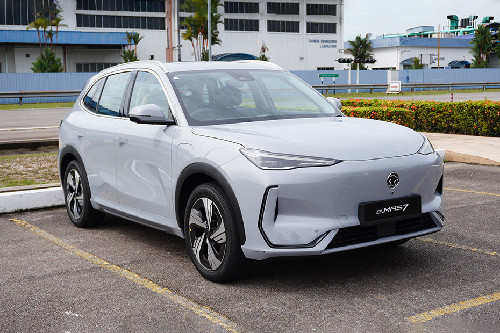
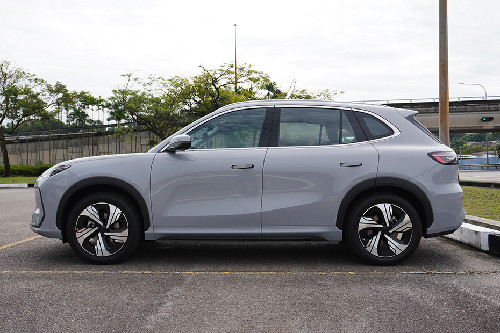
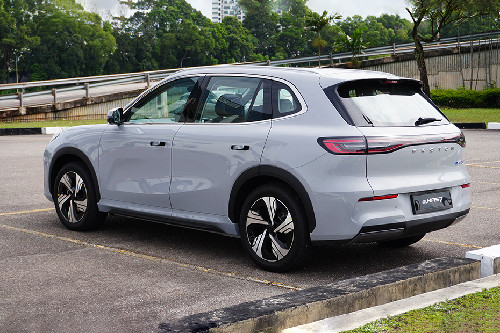
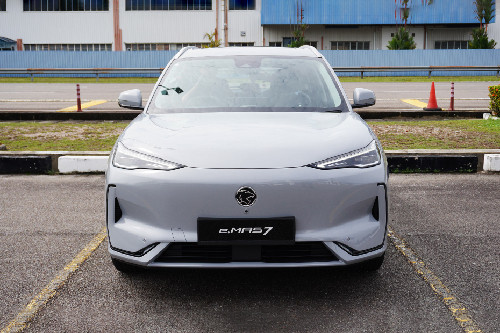
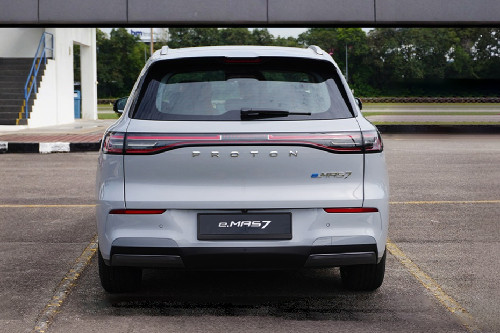
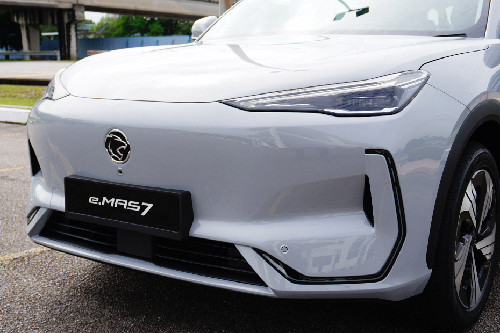
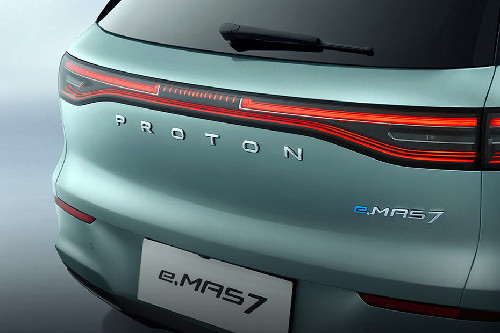
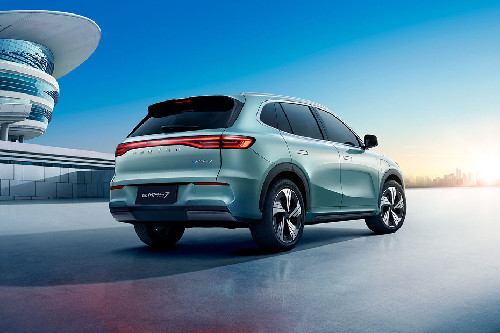
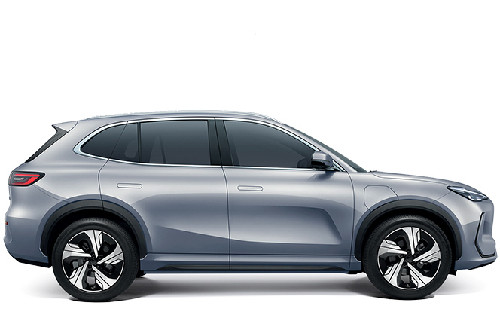
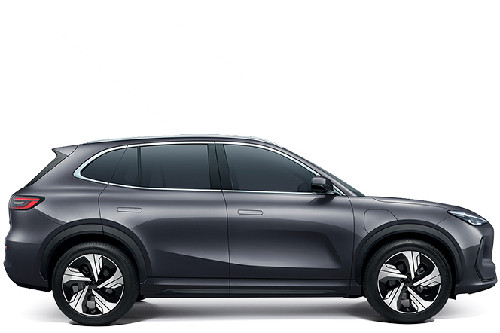
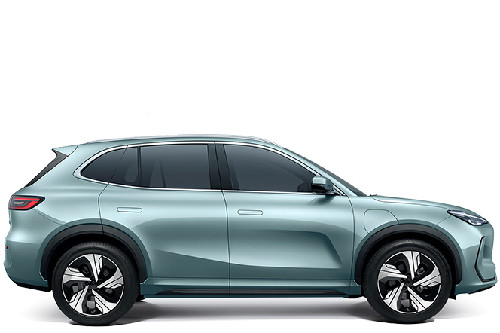
The most notable result of the venture is Proton’s first-ever electric car, the e.MAS 7. Geely facilitated the development of the EV by providing battery labs, smart vehicle centres, and powertrain test benches in Hangzhou Bay.
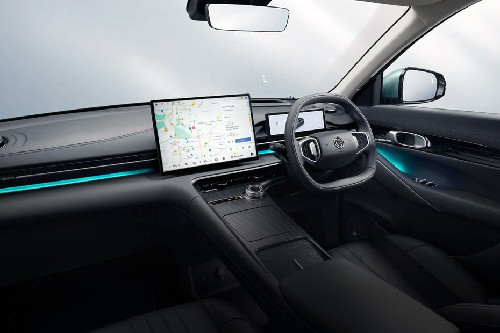
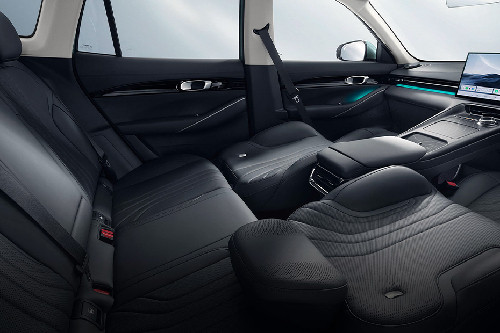
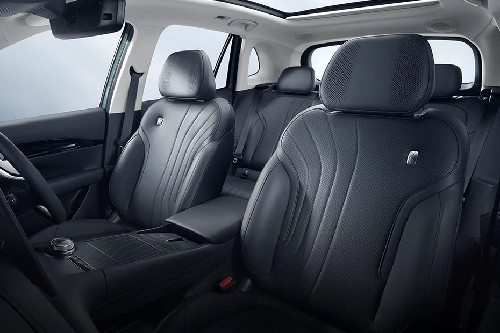
The e.MAS 7 has been winning the customers’ hearts with its strong performance, spacious cabin, advanced features, and value-for-money proposition. It now holds a 26% market share in the Malaysian EV market.
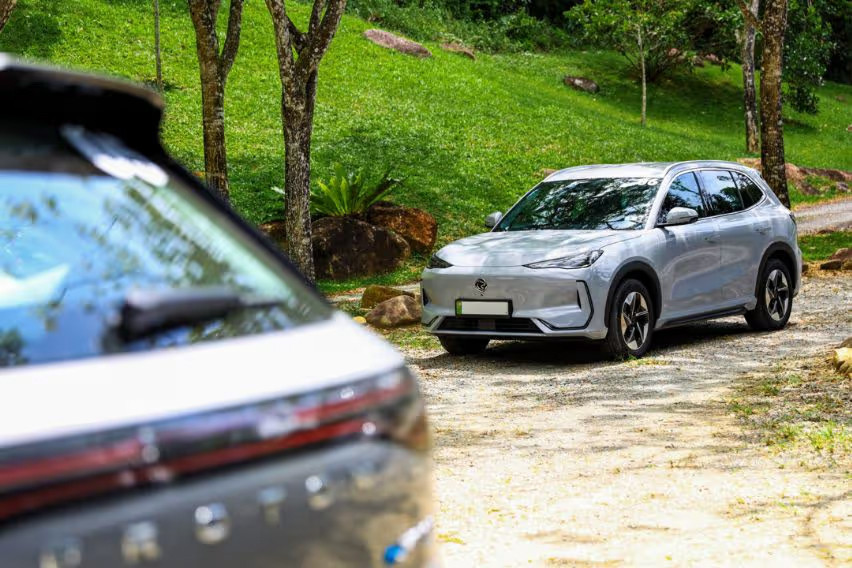 Photo from Proton
Thermal, charging & regenerative tech validation
Over the past year, Proton engineers also worked in engineering coordination, timeline execution, and cross-functional collaboration and achieved key milestones in validating thermal management, charging efficiency, and regenerative braking. It enhances safety, durability, and range, which are crucial for Malaysia’s tropical climate.
“Through these efforts, we are on track to introduce a reliable, high-value EV tailored to ASEAN consumers,” Omar Farhan Bin Omar, Senior Engineer said.
Zulkifli Bin Fadzlullah, Senior Engineer in Testing & Development, added, “We are in daily contact with PROTON R&D Malaysia, sharing technical knowledge and testing data that will help improve testing capabilities in Malaysia. This ensures Proton can develop more competitive and high-quality vehicles in the future.”
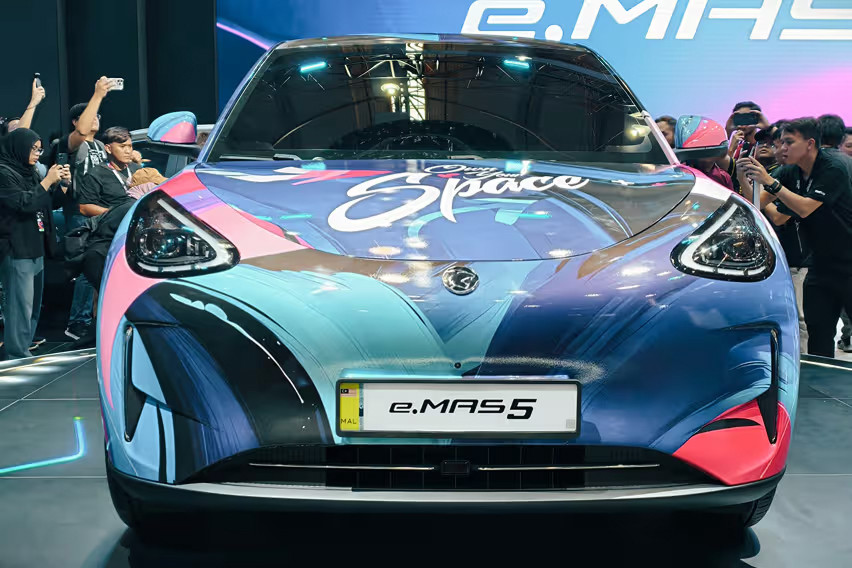 Photo from Adam Aubrey
Future plans: Expanding R&D & workforce
Looking ahead, Proton aims to double the workforce at the R&D centre by the end of this year to support new product development and technical capacity. It seeks to strengthen independent innovation in Malaysia, especially in E&E architecture, EV development and exchange programs, and real-world testing programs to enhance local engineering capabilities.
Mohd Haizam Bin Ghazali, Head of R&D in Engineering & Technical, said, “This collaboration serves as a crucial bridge to PROTON’s product development capabilities by providing engineers access to advanced facilities and empowering them without shifting core R&D operations away from Malaysia. We're planning to double our workforce by the end of the year as part of our expansion efforts, which will significantly boost our R&D capabilities as a group. Moving forward, we can expect to see more technological advancements integrated into our latest models, reflecting our commitment to innovation and progress for both PROTON and Malaysia.”
Also read: Proton ties up with Continental to offer tyre replacement, targeting 60 outlets by Dec 2025
-
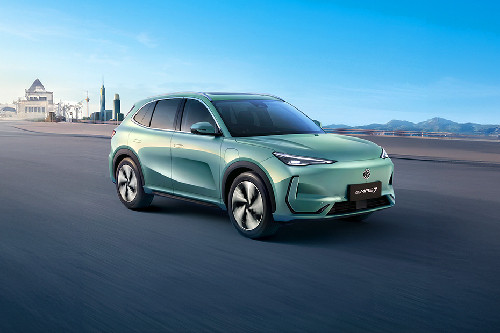
Explore Proton e.MAS 7
-


Proton e.MAS 7 Related Stories
- News
- Featured Stories
-
 What’s next for Proton e.MAS? Geely battery roadmap hints at faster charging and longer range
KUALA LUMPUR: The quiet appearance of an electric version of the Geely Galaxy Starship 7( sibling to e.MAS 7 PHEV)...
Read MoreAdam Aubrey, Apr 24, 2026 -
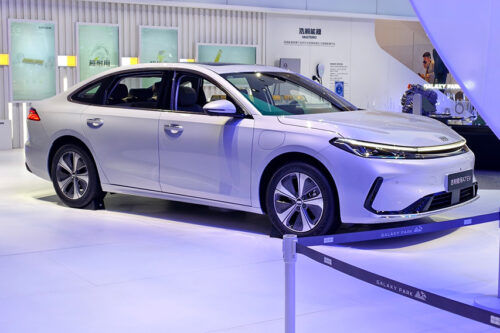
Geely Galaxy Starship 7 EV prototype shown at 2026 Beijing Auto Show, could future Proton e.MAS 7 benefit?
KUALA LUMPUR: At the 2026 Beijing International Automotive Exhibition, Geely’s Galaxy Park display was filled with the usual big-stage messaging...
Read MoreAdam Aubrey, Apr 24, 2026 -
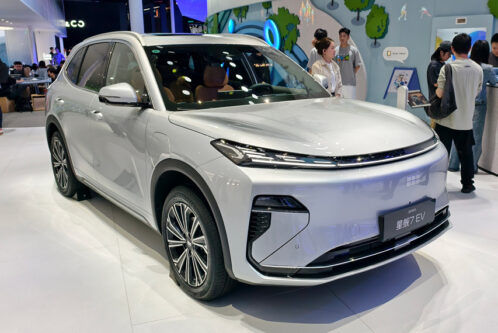
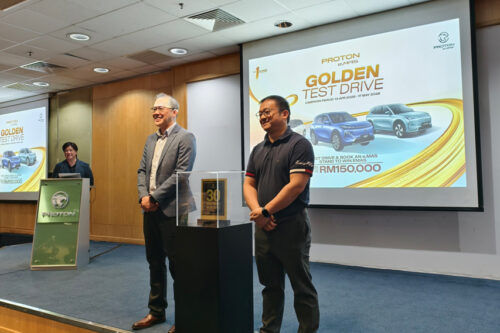
Proton rolls out Golden Test Drive campaign, gold bars and Australia trip offered
KUALA LUMPUR: PRO-NET, the wholly owned subsidiary of Proton, has launched the Proton e.MAS Golden Test Drive Campaign, a nationwide...
Read MoreAdam Aubrey, Apr 14, 2026
-
Top 10 best-selling EVs in Malaysia for 2025
Malaysia's electric vehicle market has been growing at a fast rate, driven by the launch of exciting and affordable EVs,...
Read MoreSippi Vig, Dec 26, 2025 -
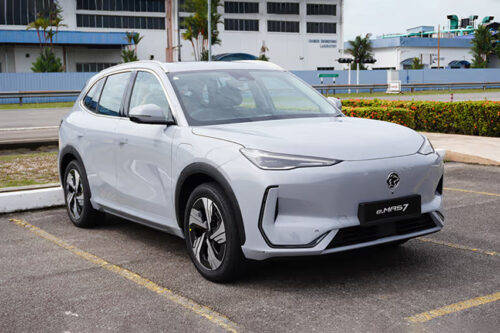
Proton e.MAS 7: What we love & what could be better
Proton has sold over 1000 units of the e.MAS 7, in just two months of its launch. It was the...
Read MoreSippi Vig, Mar 27, 2025 -
Leapmotor C10 vs Rivals: Specifications compared
Leapmotor is one of the most successful New Energy Vehicle (NEV) start-ups from China, which has been rapidly expanding into...
Read MoreSippi Vig, Feb 18, 2025
Proton Car Models
-

Proton S70 -
Proton Iriz -
Proton Persona -
Proton X90 -
Proton e.MAS 7 -
Proton X70 -
Proton e.MAS 5 -
Proton X50 -
Proton Saga -
Proton e.MAS 7 PHEV
Don't Miss
-
What’s next for Proton e.MAS? Geely battery roadmap hints at faster charging and longer range
-
Geely Galaxy Starship 7 EV prototype shown at 2026 Beijing Auto Show, could future Proton e.MAS 7 benefit?
-
Proton rolls out Golden Test Drive campaign, gold bars and Australia trip offered
-
Chery Tiggo 7 becomes only Chinese SUV with four global five-star safety ratings
-
Proton e.MAS 7 PHEV launch is just 6 days away!
Malaysia Autoshow


Trending & Fresh Updates
- Latest
- Popular
-

-
-
-
-
-
-
-
-
-
Electric Car: A comprehensive buying guidePurva Jain, Jul 01, 2024
-
Must watch automotive movies for enthusiastsPurva Jain, Feb 21, 2024
-
Car Rust-proofing 101: All you need to knowPurva Jain, Feb 15, 2024



You might also be interested in
- News
- Featured Stories

Proton Featured Cars
- Latest
- Popular
-
Proton X90RM 106,800 - 122,800 OTR Price BentongEMI : RM 1,247 x 844.26 (27 Reviews) VIEW MAY OFFERS
-
Proton e.MAS 7 PHEVRM 109,800 - 129,800 OTR Price BentongEMI : RM 1,282 x 84Write a Review VIEW MAY OFFERS
-
Proton X70RM 99,800 - 112,800 OTR Price BentongEMI : RM 1,165 x 844.18 (80 Reviews) VIEW MAY OFFERS
-
Proton SagaRM 38,990 - 49,990 OTR Price BentongEMI : RM 455 x 844.23 (79 Reviews) VIEW MAY OFFERS
-
Proton e.MAS 5RM 59,800 - 72,800 OTR Price BentongEMI : RM 698 x 844.5 (2 Reviews) VIEW MAY OFFERS
-
Proton X50RM 85,800 - 109,300 OTR Price BentongEMI : RM 1,002 x 844.26 (71 Reviews) VIEW MAY OFFERS
-
-
Proton IrizRM 42,800 - 57,300 OTR Price BentongEMI : RM 499 x 844.01 (69 Reviews) VIEW MAY OFFERS
-
Proton PersonaRM 47,800 - 58,300 OTR Price BentongEMI : RM 558 x 844.15 (75 Reviews) VIEW MAY OFFERS
-
Proton X90RM 106,800 - 122,800 OTR Price BentongEMI : RM 1,247 x 844.26 (27 Reviews) VIEW MAY OFFERS
-
Proton X70RM 99,800 - 112,800 OTR Price BentongEMI : RM 1,165 x 844.18 (80 Reviews) VIEW MAY OFFERS
Latest Proton e.MAS 7 Car Videos on Zigwheels

-
Proton eMAS 7 launched | Walkaround | Driving impressions | Variant Comparison19 Dec, 2024 .
Compare & Recommended
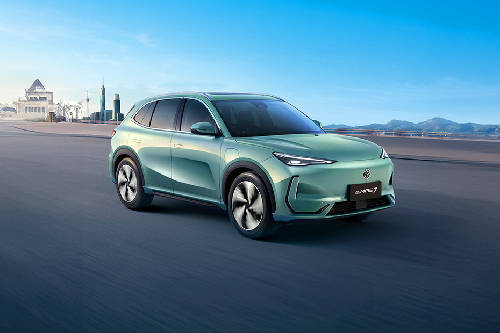
Proton e.MAS 7
RM 103,800 - 119,800
e.MAS 7 Price
|
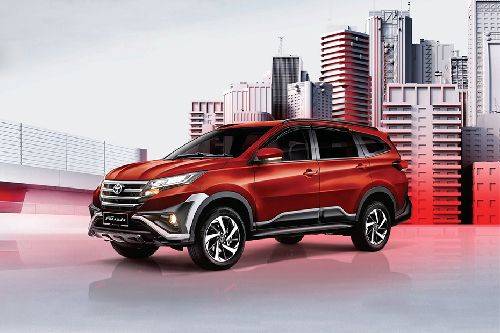
|
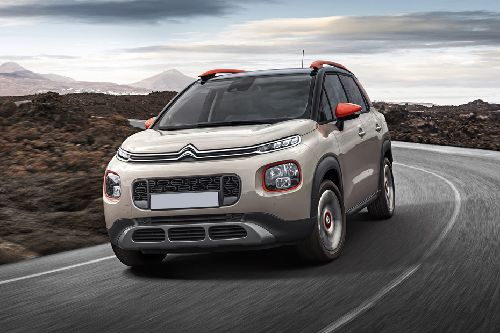
|
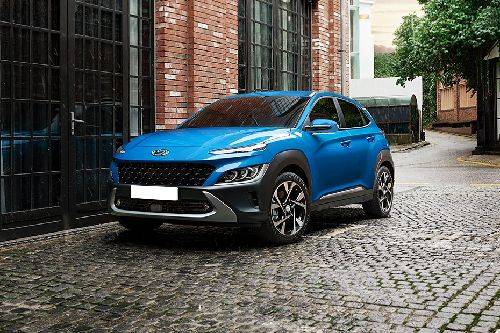
|
|
|
Seating Capacity
5
|
7
|
5
|
5
|
5
|
|
Fuel Type
Electric
|
Petrol
|
Petrol
|
Petrol
|
Petrol
|
|
Power
215
|
104
|
110
|
147
|
194
|
|
Torque
320 Nm
|
136 Nm
|
205 Nm
|
180 Nm
|
290 Nm
|
|
Transmission Type
Automatic
|
Automatic
|
Automatic
|
CVT
|
Dual Clutch
|
|
Ground Clearance
-
|
220 mm
|
-
|
-
|
-
|
|
Engine
-
|
1496
|
1199
|
1999
|
1598
|
|
|
Trending SUV
- Latest
- Upcoming
- Popular
-
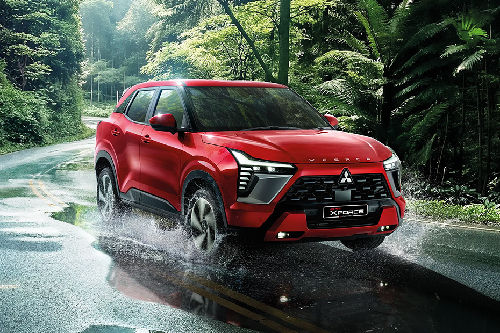
Mitsubishi XForceRM 109,980 - 119,980 OTR Price BentongEMI : RM 1,285 x 84Write a Review VIEW MAY OFFERS
-
-
JAECOO Omoda C9 PHEVRM 208,800 OTR Price BentongEMI : RM 2,439 x 84Write a Review VIEW MAY OFFERS
-
-
Proton X90RM 106,800 - 122,800 OTR Price BentongEMI : RM 1,247 x 844.26 (27 Reviews) VIEW MAY OFFERS
-
-
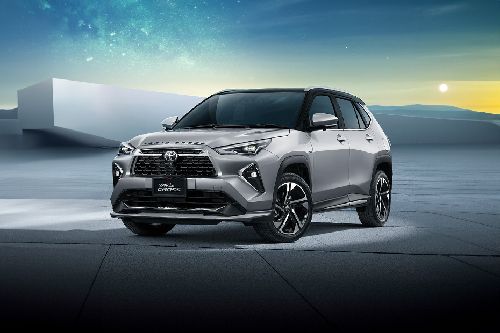
Toyota Yaris CrossRM 99,900 - 109,900 Expected Price BentongExpected Launch TBA Alert Me When Launched
-
-
-
-
-
-
-
Toyota Corolla CrossRM 130,900 - 146,000 OTR Price BentongEMI : RM 1,529 x 844.26 (47 Reviews) VIEW MAY OFFERS
-
Perodua AtivaRM 62,500 - 73,400 OTR Price BentongEMI : RM 730 x 844.17 (46 Reviews) VIEW MAY OFFERS
-
Toyota RushRM 93,000 - 97,000 OTR Price BentongEMI : RM 1,086 x 844.27 (61 Reviews) VIEW MAY OFFERS
-
Mazda CX-5RM 143,300 - 187,200 OTR Price BentongEMI : RM 1,674 x 844.36 (65 Reviews) VIEW MAY OFFERS
-
Mazda CX-30RM 131,000 - 159,000 OTR Price BentongEMI : RM 1,530 x 844.45 (38 Reviews) VIEW MAY OFFERS