Toyota’s long game: Mobility for everyone, not just the few
KUALA LUMPUR: Remember when everyone said Toyota was too slow? While other brands were shouting about their all-electric future, Toyota kept talking about hybrids, hydrogen, and this idea of a “multi-pathway approach.” It sounded like hesitation at the time — like they were scared to commit.
KEY TAKEAWAYS
What is Toyota’s ‘multi-pathway’ approach to carbon neutrality?
Toyota believes there’s no single solution to reducing emissions. Its multi-pathway strategy includes hybrids, plug-in hybrids, battery EVs, hydrogen, and e-fuels — allowing each region to choose what works best for its infrastructure and energy landscape.Why is Toyota’s long-term strategy being validated now?
As other automakers scale back EV-only goals, Toyota’s balanced approach is proving practical. The brand’s focus on flexibility, reliability, and long-term sustainability, which shows that patience and preparation can outlast trends.Fast forward to 2025, and the picture looks very different. Volvo has dropped its EV-only target. Ford’s calling hybrids “the future.” Even governments that once pushed for 100% EV adoption are now quietly pulling back. It turns out Toyota wasn’t dragging its feet — it was pacing itself for the long race.
 Photo by Adam Aubrey
Carbon is the enemy, not the powertrain
Toyota’s message at its latest media briefing pre Japan Mobility Show 2025 was refreshingly straightforward: carbon is the enemy. The brand isn’t anti-EV — it’s anti one-size-fits-all.
Instead of betting everything on battery-electric cars, Toyota believes there are many ways to decarbonize — and that every country, every region, should have the flexibility to choose what works best. Their “multi-pathway” approach covers everything from BEVs (battery EVs) and PHEVs to regular hybrids, internal combustion engines running on e-fuels or biofuels, and even hydrogen.
It’s not just a powertrain strategy — it’s a survival strategy. By keeping options open, Toyota ensures it can adapt to real-world challenges: cost, infrastructure, customer readiness, and energy policies.
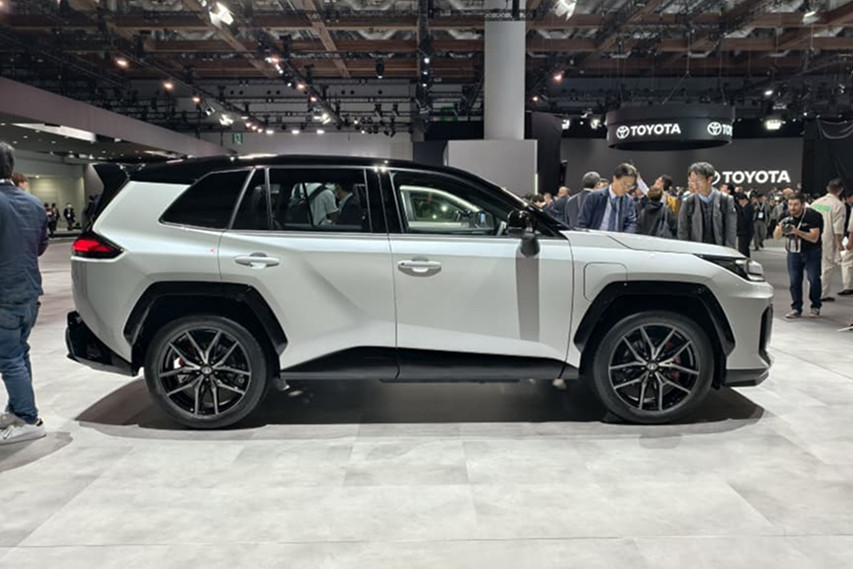 Photo by Adam Aubrey
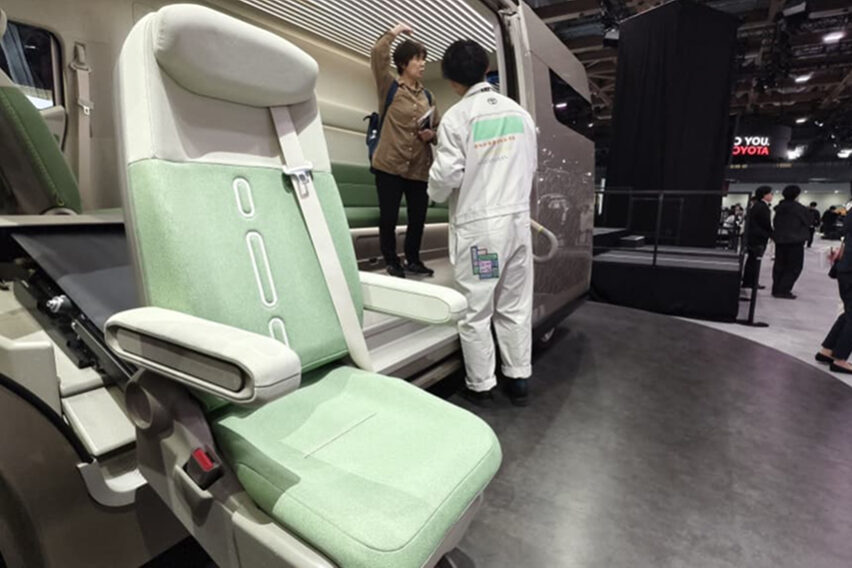
What Toyota’s planning goes beyond cars altogether. The company’s Mobility Concept 3.0 focuses on how people move, not just what they drive.
-
Mobility 1.0 was about adding value beyond basic transportation — taking you from A to B reliably.
-
Mobility 2.0 made mobility accessible to everyone, ensuring no one gets left behind.
-
Mobility 3.0 takes it further by syncing mobility with data, infrastructure, and society.
In short: it’s Toyota’s way of saying that future mobility isn’t just about electric cars — it’s about connected cities, smarter systems, and harmonizing technology with everyday life.
The world’s finally catching up
It’s funny how quickly opinions change. Just a few years ago, Toyota faced major heat from environmental groups and even some media outlets for being “anti-EV.” Now, headlines from Reuters, Financial Times, and Business Insider read more like apologies than criticism:
“It turns out Akio Toyoda was right.”
“Toyota was right about hybrids all along.”
Other carmakers are quietly revising their strategies — not because they’ve given up on EVs, but because reality hit. Infrastructure, costs, and supply chains aren’t scaling as fast as the hype promised. And through all of that, Toyota stayed consistent.
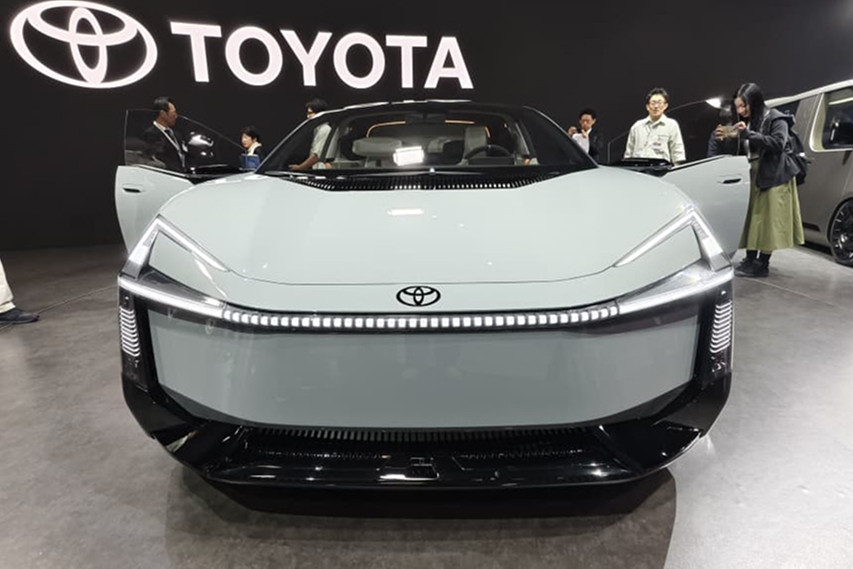 Photo by Adam Aubrey
Toyota’s long-term approach is rooted in history. In Asia, the brand’s journey started decades ago — Thailand in the 1950s, Malaysia in the ’60s, Indonesia in the ’70s — and those roots run deep. These aren’t markets Toyota flirts with; they’re markets it commits to.
In Malaysia, Toyota’s been here for 58 years, investing not just in sales but in people, dealerships, and suppliers. It’s a legacy that shows Toyota doesn’t just chase what’s trending — it builds what lasts.
Sure, it’s disappointing that Malaysia still isn’t part and will not be of Toyota’s global R&D network for now. But the company’s local presence still supports a vast ecosystem of suppliers, service networks, and jobs — proving that Toyota sees itself as more than just a carmaker. It’s a mobility enabler.
Creating legends, not just lineups
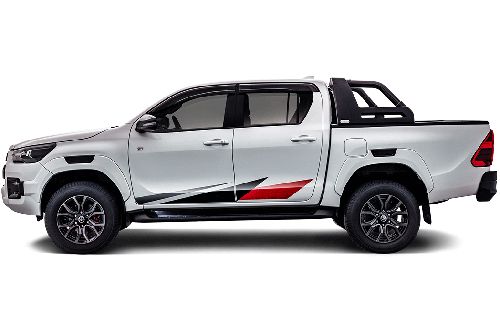
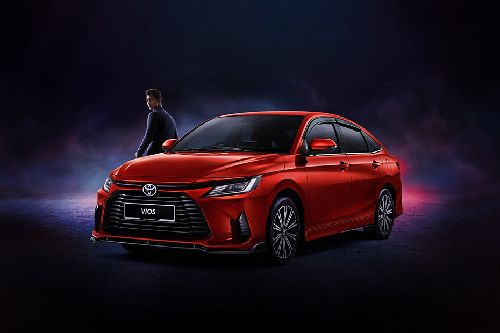
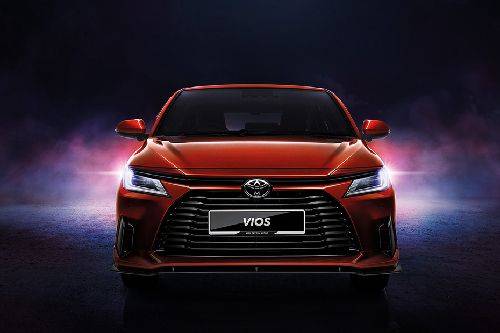
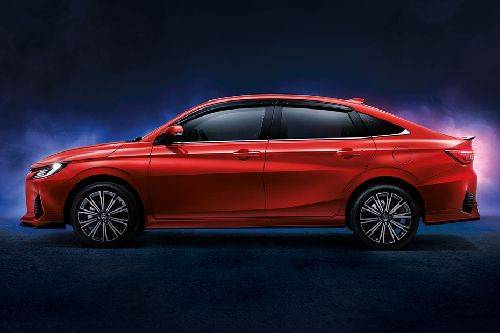
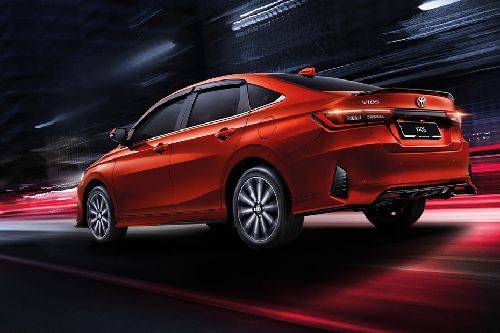
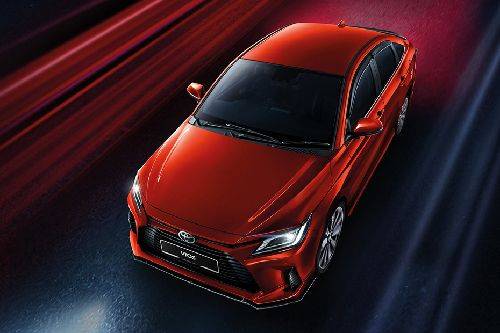
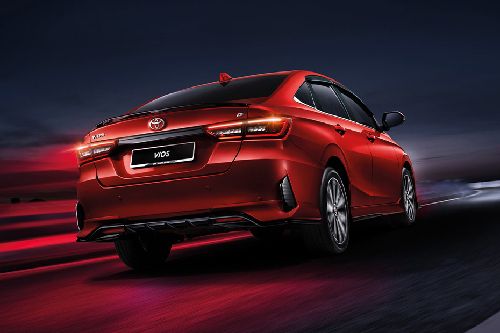
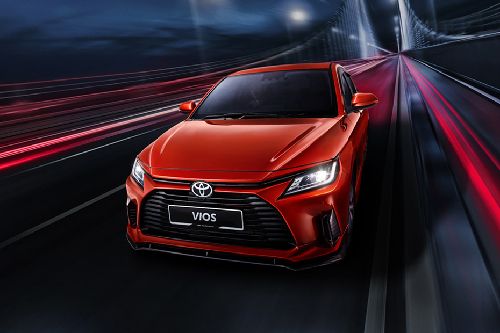
Toyota’s philosophy is simple: don’t think about what’s going to sell this year — think about what will still matter 20 years from now. That’s how legends like the Hilux, Innova, and Vios were born. Cars that survive market crashes, fuel crises, and even shifts in technology.
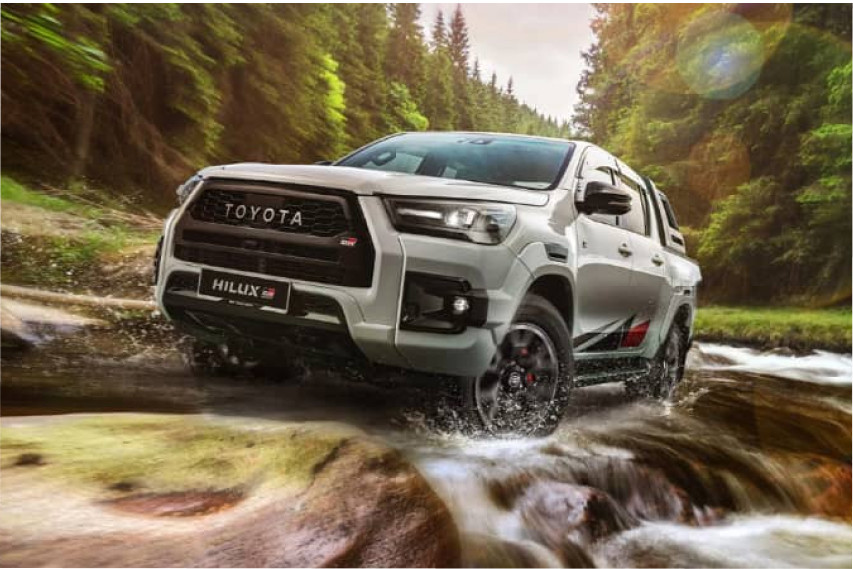 Photo from Toyota
It’s this same mindset that guides Toyota into its next phase — where mobility isn’t just about getting somewhere, but about making sure everyone can. Whether it’s hybrids in cities, hydrogen in heavy trucks, or electric cars in urban centers, Toyota’s message stays the same: there’s no single road to a cleaner future.
Toyota’s not trying to win the race to be first — it’s trying to make sure everyone makes it to the finish line.
After years of criticism, the world is finally catching up to Toyota’s way of thinking. And if history’s any indicator, betting against Toyota’s patience usually doesn’t end well it seems.
Also read: 2026 Toyota RAV4 appears at Japan Mobility Show 2025 — Maybe It’s time for a comeback in Malaysia?

-
Explore Toyota Corolla Cross
-
-
Explore Toyota Hilux
-
-
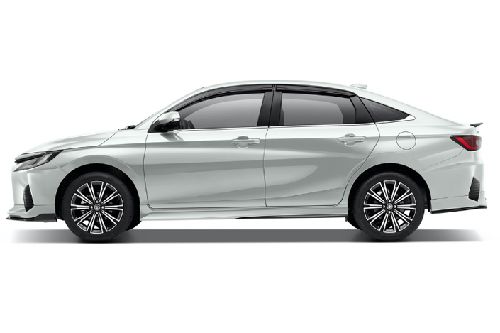
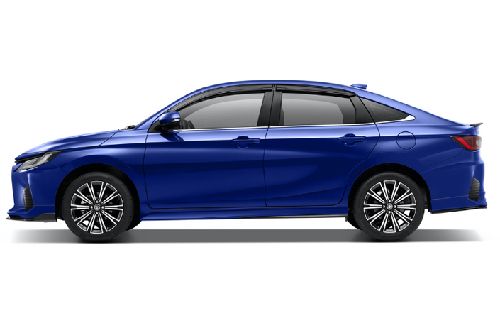
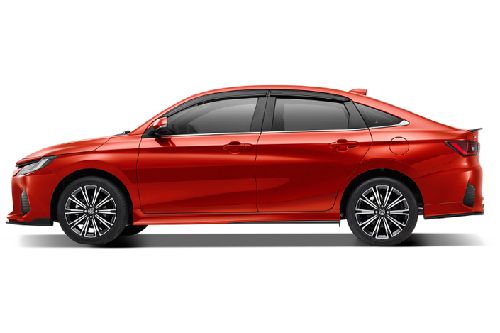
Explore Toyota Vios
-




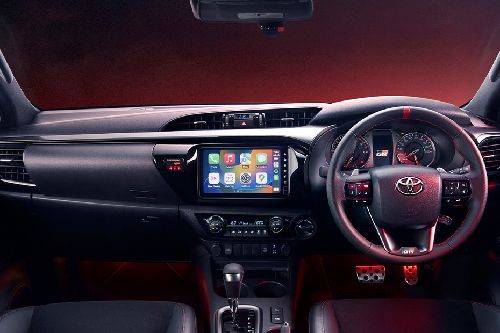
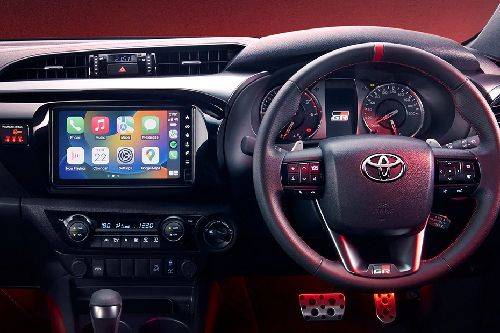
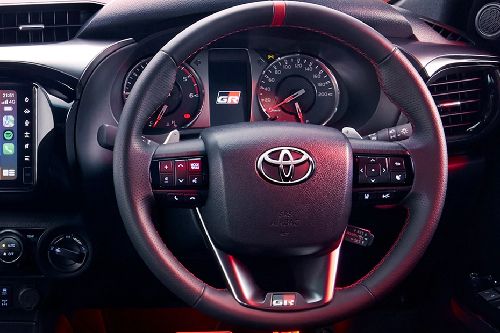
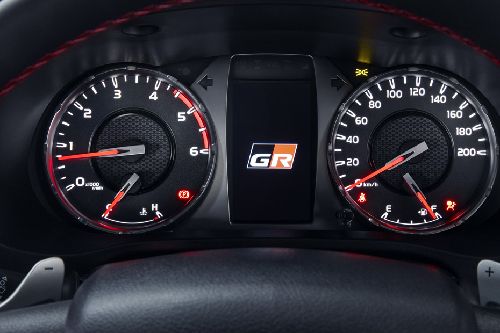
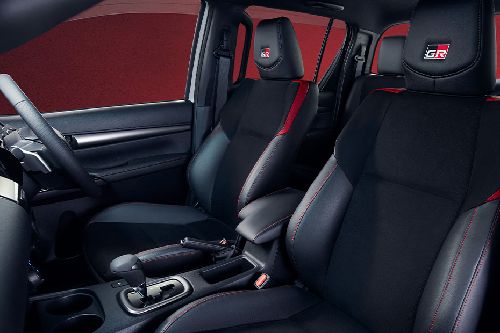

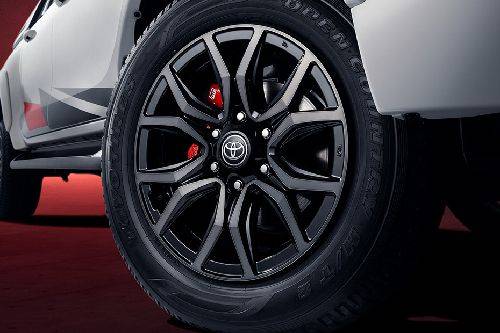
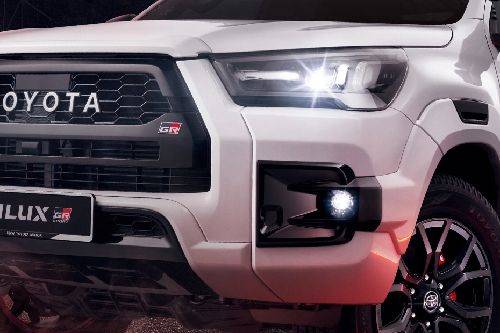
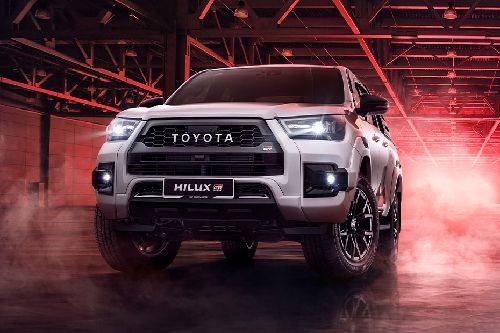
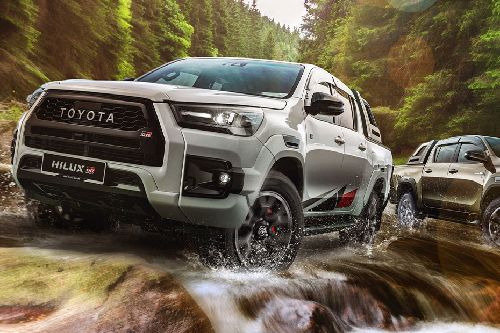
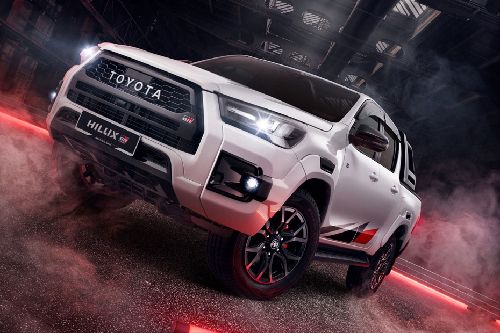
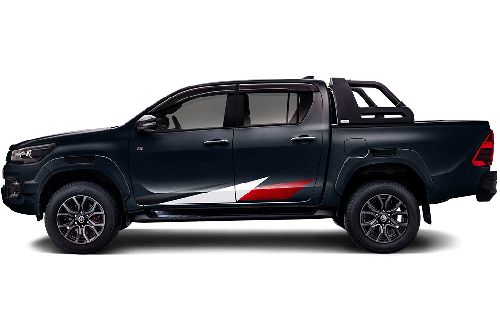
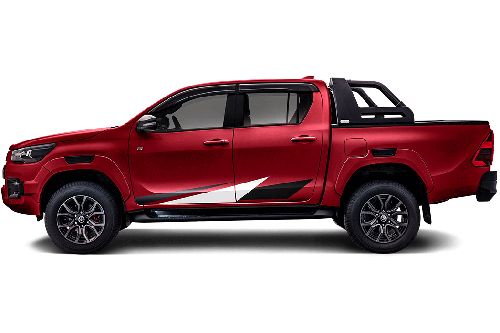


Toyota Hilux Related Stories
- News
- Featured Stories
-
 Toyota Urban Cruiser, bZ4X and Hilux BEV launched in Malaysia, priced from RM198k
KUALA LUMPUR: UMW Toyota Motor has officially launched three battery-electric vehicles in Malaysia today, the Toyota Urban Cruiser, Toyota bZ4X...
Read MoreAdam Aubrey, Apr 02, 2026 -
3 Toyota EVs enroute to Malaysia - bZ4X, Hilux EV and Urban Cruiser EV?
KUALA LUMPUR: UMW Toyota has recently expanded its local lineup with the launch of hybrid options across sedan and SUV...
Read MoreSippi Vig, Mar 30, 2026 -
2026 BIMS kicks off: Toyota Land Cruiser FJ, Honda e:N2, Mazda CX-6e, and more on display
KUALA LUMPUR: The 2026 Bangkok International Motor Show (BIMS) has kicked off in Thailand with all pomp and show, unveiling...
Read MoreSippi Vig, Mar 24, 2026

-
Malaysia’s best-selling cars in 2025: A look at the top performers
Malaysia secured second place in total vehicle sales in the ASEAN region in 2024, with total industry volume of 816,747...
Read MoreSippi Vig, Dec 16, 2025 -
Toyota Hilux – Malaysia’s Undefeated Pickup Legend
When you talk about pickups in Malaysia, one name regularly dominates conversations, warung gossip, and even boardroom logistics discussions: the...
Read MoreAdam Aubrey, Oct 24, 2025 -
You will not be satisfied until you own a Toyota
Ask any Malaysian about their first road trip memory, and chances are, there’s a Toyota somewhere in the background. Maybe...
Read MoreAdam Aubrey, Sep 18, 2025
Toyota Car Models
-

Toyota Veloz -
Toyota Yaris -
Toyota Vios -
Toyota Corolla Cross -
Toyota Hilux -
Toyota Rush -
Toyota Yaris Cross -
Toyota Fortuner -
Toyota Innova Zenix -
Toyota Harrier
Don't Miss
KLIMS 2026


Malaysia Autoshow
Trending & Fresh Updates
- Latest
- Popular
-

-
-
-
-
-
-
-
-
-
Electric Car: A comprehensive buying guidePurva Jain, Jul 01, 2024
-
Must watch automotive movies for enthusiastsPurva Jain, Feb 21, 2024
-
Car Rust-proofing 101: All you need to knowPurva Jain, Feb 15, 2024



You might also be interested in
- News
- Featured Stories
Toyota Featured Cars
- Latest
- Upcoming
- Popular
-
Toyota Yaris CrossRM 99,900 - 109,900 OTR Price Kuala LumpurEMI : RM 1,167 x 844 (1 Reviews) VIEW SEPTEMBER OFFERS
-
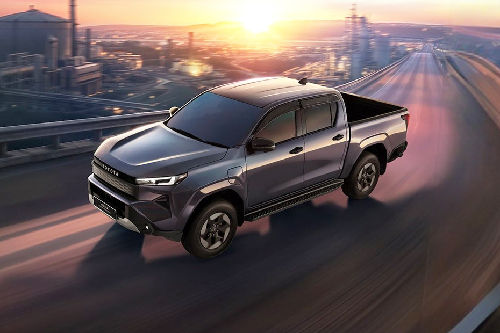
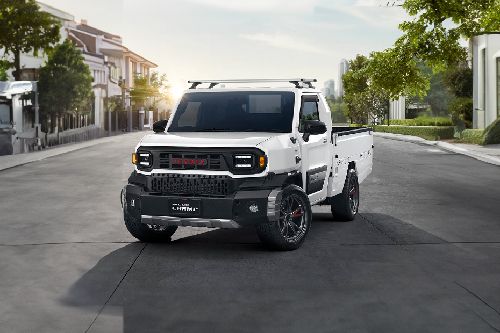
Toyota Hilux BEVRM 226,300 OTR Price Kuala LumpurEMI : RM 2,644 x 84Write a Review VIEW SEPTEMBER OFFERS
-
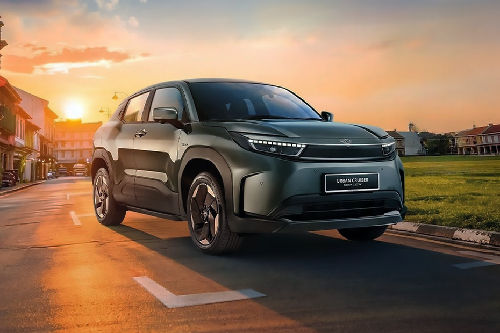
Toyota Urban Cruiser EVRM 198,000 OTR Price Kuala LumpurEMI : RM 2,313 x 84Write a Review VIEW SEPTEMBER OFFERS
-
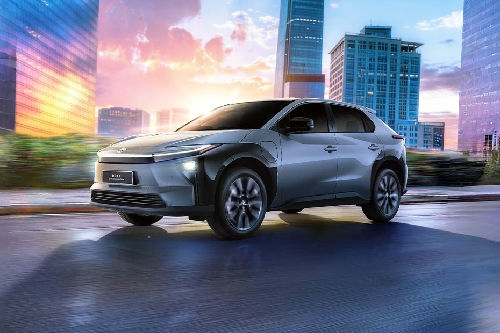
Toyota bZ4XRM 220,000 OTR Price Kuala LumpurEMI : RM 2,571 x 844 (1 Reviews) VIEW SEPTEMBER OFFERS
-
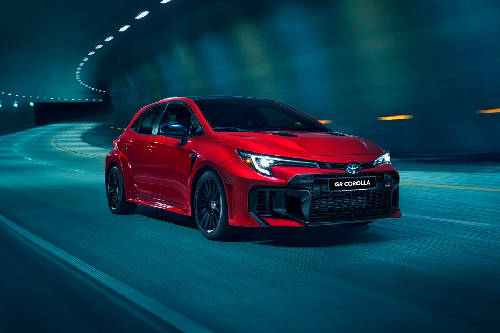
Toyota GR CorollaRM 367,000 - 378,950 OTR Price Kuala LumpurEMI : RM 4,289 x 844.48 (21 Reviews) VIEW SEPTEMBER OFFERS
-
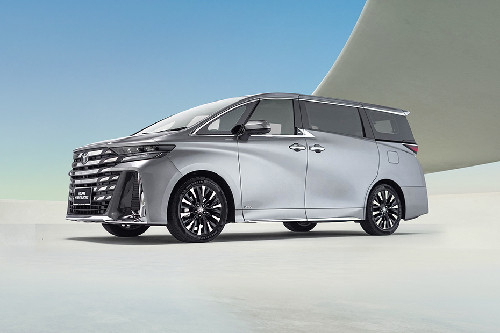
Toyota Vellfire HEVRM 549,900 OTR Price Kuala LumpurEMI : RM 6,426 x 845 (1 Reviews) VIEW SEPTEMBER OFFERS
-
-
-
Toyota Alphard HEVRM 570,000 Expected Price Kuala LumpurExpected Launch TBA Alert Me When Launched
-
Toyota VelozRM 95,000 OTR Price Kuala LumpurEMI : RM 1,110 x 844.44 (34 Reviews) VIEW SEPTEMBER OFFERS
-
Toyota YarisRM 70,490 OTR Price Kuala LumpurEMI : RM 1,028 x 844.28 (63 Reviews) VIEW SEPTEMBER OFFERS
-
Toyota ViosRM 89,600 - 95,500 OTR Price Kuala LumpurEMI : RM 1,047 x 844.17 (71 Reviews) VIEW SEPTEMBER OFFERS
-
Toyota Corolla CrossRM 130,900 - 146,000 OTR Price Kuala LumpurEMI : RM 1,529 x 844.26 (47 Reviews) VIEW SEPTEMBER OFFERS
-
Toyota RushRM 93,000 - 97,000 OTR Price Kuala LumpurEMI : RM 1,086 x 844.27 (61 Reviews) VIEW SEPTEMBER OFFERS
Compare & Recommended
Toyota Hilux
RM 103,880 - 169,080
Hilux Price
|
|
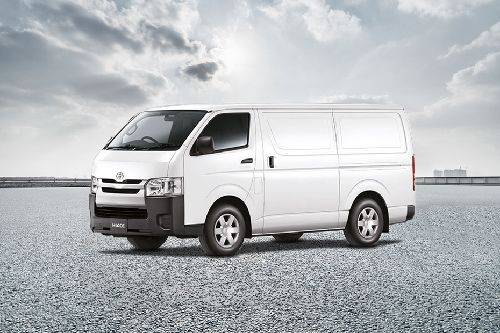
|
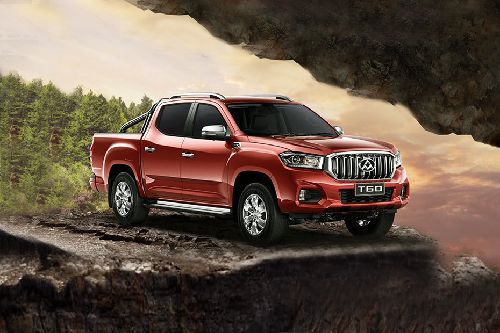
|
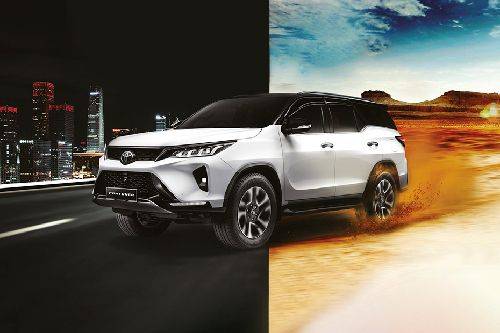
|
|
Ground Clearance
269 mm
|
-
|
195 mm
|
215 mm
|
279 mm
|
|
Seating Capacity
2
|
7
|
2
|
5
|
7
|
|
Fuel Type
Diesel
|
Petrol
|
Diesel
|
Diesel
|
Diesel
|
|
Engine
2393
|
2488
|
2494
|
2776
|
2393
|
|
Power
148
|
192
|
101
|
150
|
148
|
|
Torque
400 Nm
|
258 Nm
|
260 nm
|
360 Nm
|
400 Nm
|
|
Transmission Type
Manual
|
Automatic
|
Manual
|
Automatic
|
Automatic
|
|
|
Trending Pickup Trucks
- Latest
- Upcoming
- Popular
-
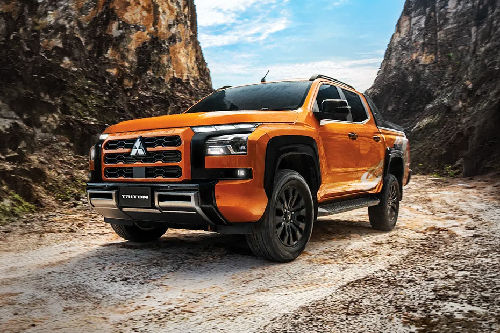
Mitsubishi TritonRM 101,980 - 159,980 OTR Price Kuala LumpurEMI : RM 1,191 x 844.19 (52 Reviews) VIEW SEPTEMBER OFFERS
-
Toyota Hilux BEVRM 226,300 OTR Price Kuala LumpurEMI : RM 2,644 x 84Write a Review VIEW SEPTEMBER OFFERS
-
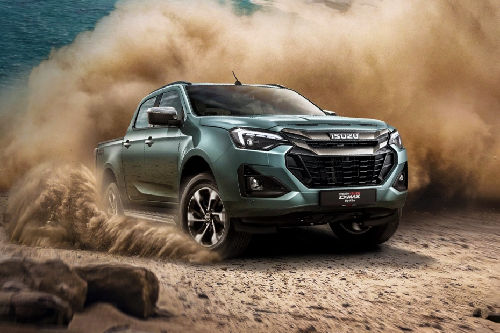
Isuzu D-MaxRM 103,121 - 162,938 OTR Price Kuala LumpurEMI : RM 1,205 x 844.48 (27 Reviews) VIEW SEPTEMBER OFFERS
-
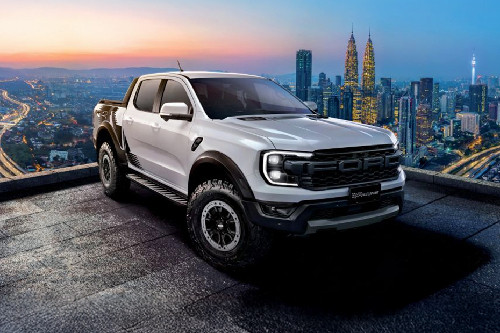
Ford Ranger RaptorRM 248,888 - 273,888 OTR Price Kuala LumpurEMI : RM 2,908 x 844.38 (49 Reviews) VIEW SEPTEMBER OFFERS
-
-
-
-
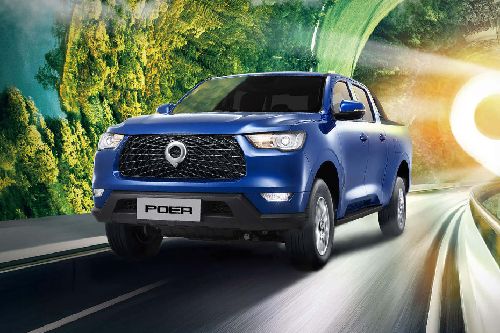
GWM CannonRM 118,000 - 127,800 Expected Price Kuala LumpurExpected Launch TBA Alert Me When Launched
-
-
Toyota HiluxRM 103,880 - 169,080 OTR Price Kuala LumpurEMI : RM 1,213 x 844.29 (69 Reviews) VIEW SEPTEMBER OFFERS
-
Ford RangerRM 98,888 - 183,888 OTR Price Kuala LumpurEMI : RM 1,155 x 844.24 (51 Reviews) VIEW SEPTEMBER OFFERS
-
Isuzu D-MaxRM 103,121 - 162,938 OTR Price Kuala LumpurEMI : RM 1,205 x 844.48 (27 Reviews) VIEW SEPTEMBER OFFERS
-
Nissan NavaraRM 98,600 - 154,800 OTR Price Kuala LumpurEMI : RM 1,152 x 844.15 (47 Reviews) VIEW SEPTEMBER OFFERS
-
Maxus T60RM 99,000 By Order Kuala LumpurEMI : RM 1,156 x 844.21 (19 Reviews) VIEW SEPTEMBER OFFERS
-
Ford Ranger RaptorRM 248,888 - 273,888 OTR Price Kuala LumpurEMI : RM 2,908 x 844.38 (49 Reviews) VIEW SEPTEMBER OFFERS