2026 BYD Sealion 7 One-Charge Challenge: Selangor, Pahang and back
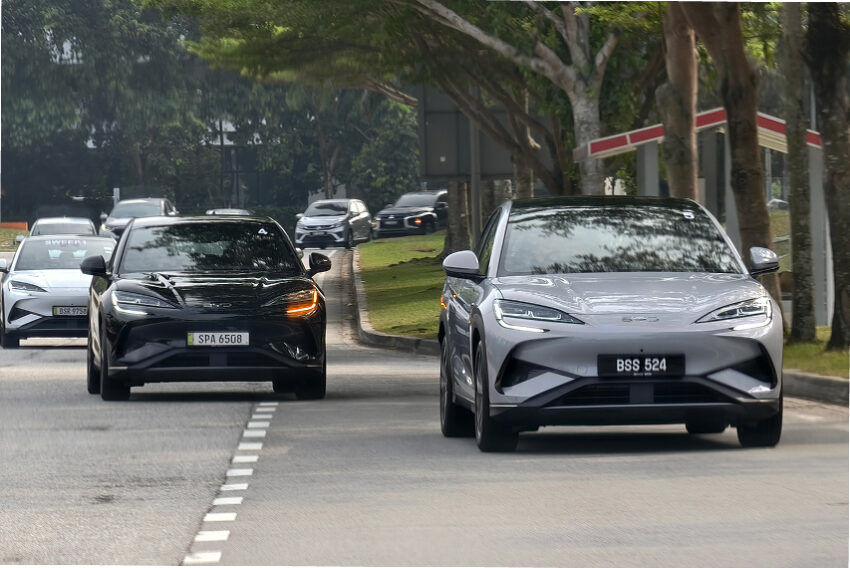
KUALA LUMPUR: There are easier ways to test an EV’s range. You could charge it to 100%, find a nice flat highway, sit at a steady speed and spend the next few hours trying not to touch the accelerator any more than necessary. BYD Malaysia had other ideas.
KEY TAKEAWAYS
How far did the BYD Sealion 7 travel during the one-charge challenge?
Our BYD Sealion 7 Premium covered roughly 510 km over two days, travelling from Ara Damansara to Mangala Resort near Gambang before returning via Awana Genting.How much battery was left after the BYD Sealion 7 completed the drive?
The Sealion 7 returned to BYD Ara Damansara with 19% battery remaining and 120 km of indicated range, without being recharged during the journey.For its One Charge Challenge, we were handed the facelifted 2026 BYD Sealion 7 Premium, given a full battery, had the charging port sealed shut and were told to drive from Ara Damansara to Mangala Resort near Gambang.
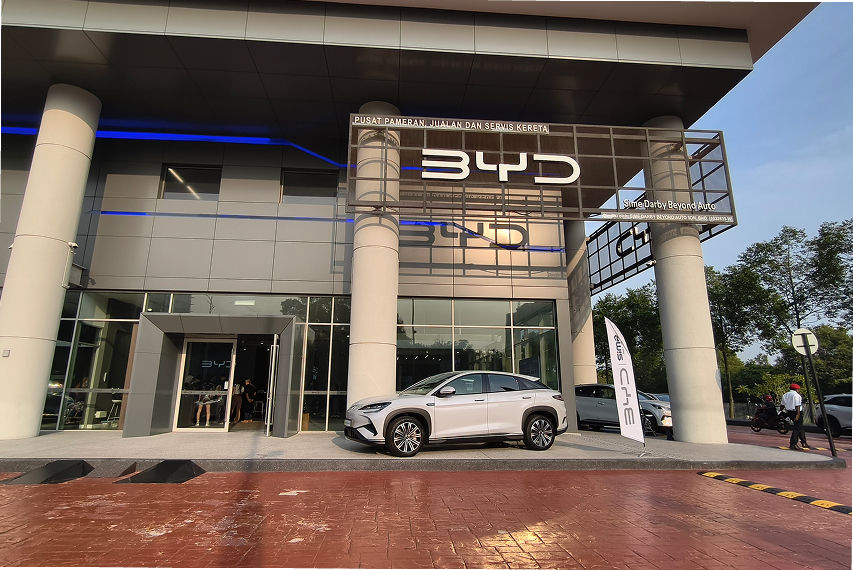 Photo by Adam Aubrey
Also Read: 2026 BYD Sealion 7 EV launched in Malaysia - 3 variants, price starts from RM 163,800
Then leave it unplugged overnight. Then drive it back. Oh, and just to make sure the second day did not become an easy cruise home, the prescribed return route sent us through Karak and Bentong before climbing towards Awana Genting.
No charging was allowed anywhere along the way. Break the charging-port seal and the car was disqualified. Stop for an emergency top-up and you were out. The car also had to cross the finish line under its own power. So this was less “let’s see what range we can get” and more “here is one battery — good luck”.
And, somewhat surprisingly, the Sealion 7 made the whole thing look fairly easy.
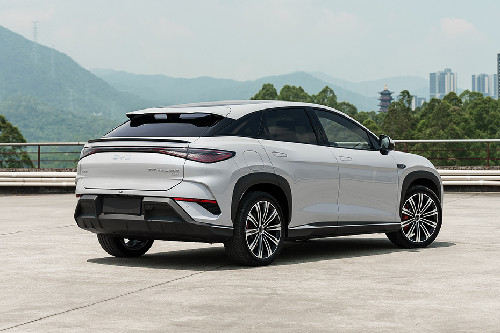
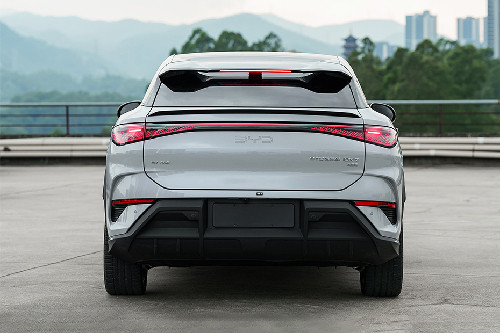
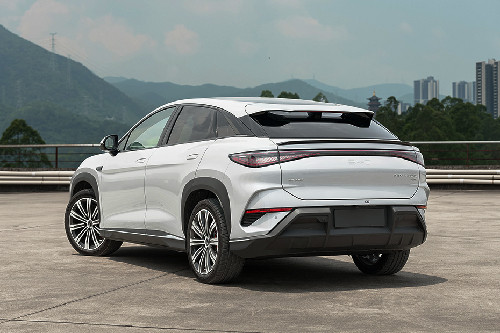
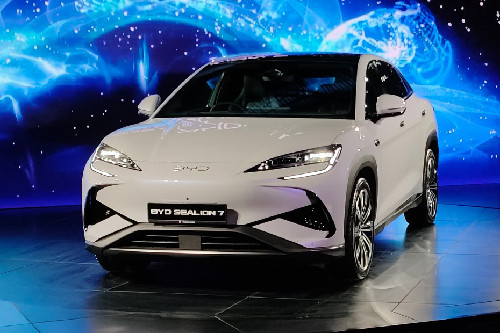
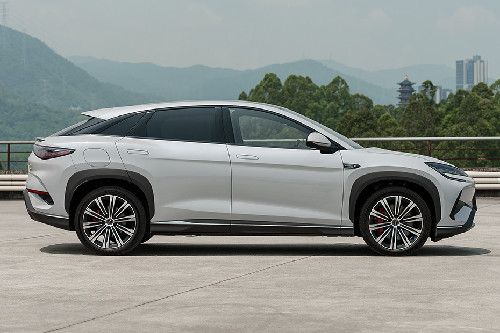
The facelifted Sealion 7 is now available in three variants in Malaysia, but the Premium was the car that made the most sense for this particular mission because it is the longest-range version. It uses a single rear-mounted motor producing 313 PS and 380 Nm, but the important upgrade here is the battery. Capacity has increased from the previous 82.5 kWh unit to a much larger 91.3 kWh Blade LFP battery.
BYD claims up to 650 km of NEDC range, which translates to roughly 553 km on the WLTP cycle. At the start of our drive, the dashboard showed 648 km with the battery at 100%. That looked encouraging, but we still had more than 510 km of real driving ahead of us.
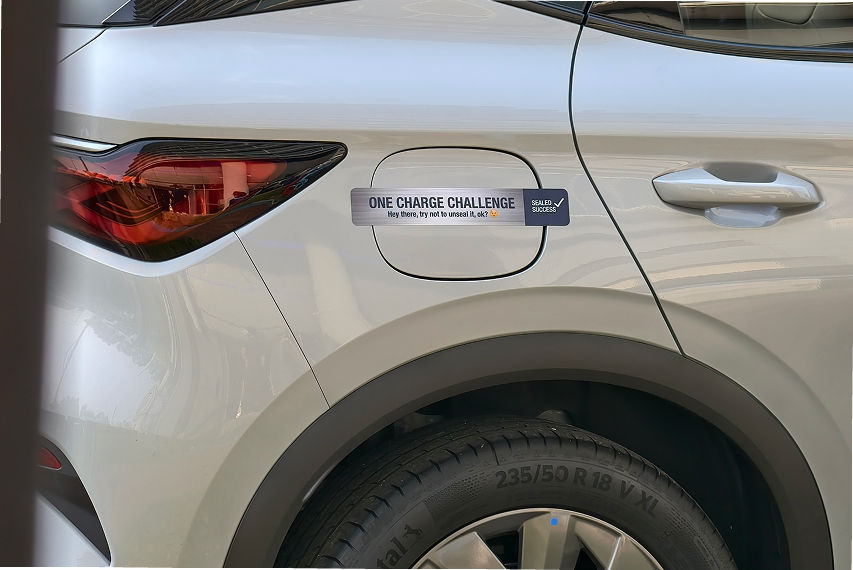 Photo by Adam Aubrey
The outbound leg took us from Ara Damansara towards Mangala, with Mentakab serving as one of the important checkpoints, which of course included a nice lunch. By the time we reached Mentakab, we had already travelled 244 km. Yet the Sealion 7 was still showing 79% battery and 515 km of remaining range.
That means we had physically driven 244 km, while the indicated range had dropped by only 133 km from the 648 km shown at the start. That was the first moment where everyone in the car started paying a little more attention to the numbers. Average energy consumption was sitting at just 13.1 kWh/100 km at that point.
For a large electric SUV carrying three adults, luggage and all the usual media-drive nonsense, that was a very strong result.
We eventually rolled into Mangala Resort with 62% battery remaining and 404 km still showing on the range meter. At that point, it almost looked like the challenge had been designed too generously. We had completed the entire first day and still had comfortably more than half the battery left.
Then came the return leg, and this was where gravity entered the conversation.
We left Mangala the next morning with 60% battery and 392 km of indicated range. If we had simply retraced our route back to Kuala Lumpur, there probably would not have been much tension. But the return route was deliberately more demanding. We headed west towards Karak and Bentong, then up towards Awana Genting before descending again towards Gombak and finally BYD Ara Damansara.
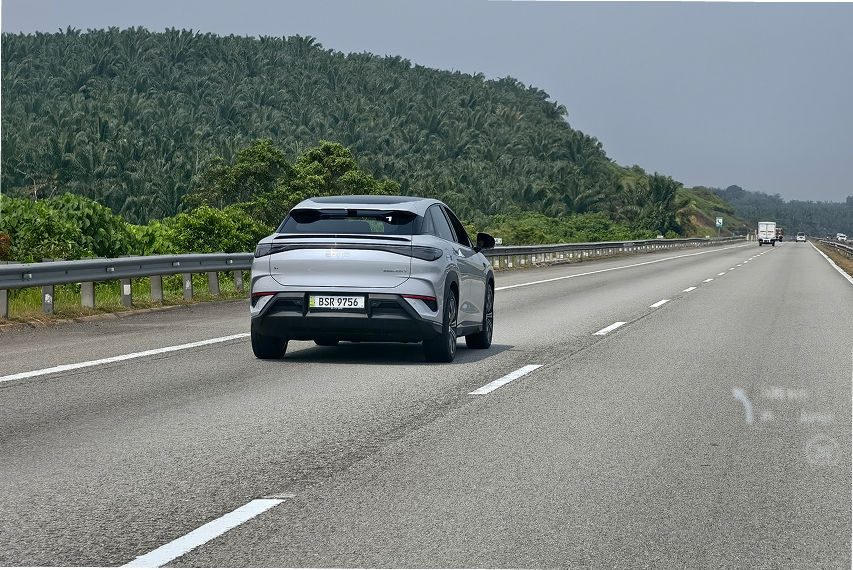 Photo by Adam Aubrey
By the time we reached the Karak toll plaza, battery level had fallen to 36%, with 234 km of range remaining. At Bentong toll, where the proper Genting climb was about to begin, we had 34% and 220 km left, with around 34 km still to go before reaching Awana. Average consumption had also crept up from around 14 kWh/100 km to around 16 kWh/100 km.
Then the road pointed properly uphill, and the Sealion 7 started drinking electrons much more enthusiastically.
By the time we reached Awana, the dashboard was showing 21% battery and 138 km of remaining range. Average energy consumption had jumped to around 26 kWh/100 km. That was probably the most useful demonstration of the entire trip.
Earlier in the journey, the Sealion 7 had been happily cruising along in the low-teens. Give the same car a sustained climb and suddenly you are asking a large, heavy EV to continuously haul itself uphill against gravity. There is no trick around that. It takes energy.
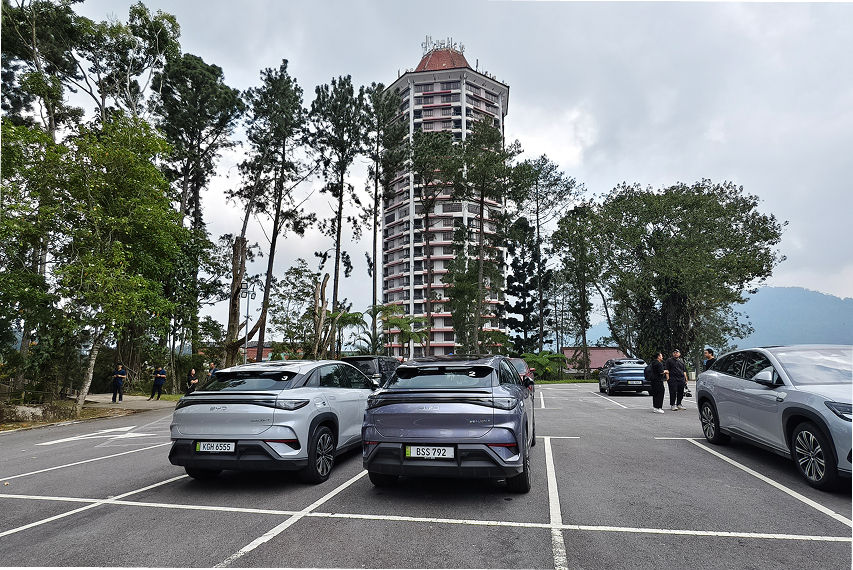 Photo by Adam Aubrey
At Awana, we had travelled around 545 km in total, with roughly another 62 km required to get back to Ara Damansara. The good news was that what goes up must eventually come down, and this is where an EV gets to play a trick a petrol car cannot quite replicate.
As we descended from Genting towards Kuala Lumpur, regenerative braking started clawing some of that energy back. Near the Gombak toll plaza, the dashboard was showing 23% battery and 150 km of range. The battery percentage had actually increased from 21% at Awana to 23%.
The indicated range had also climbed from 138 km to 150 km, while average consumption settled back down to around 14 kWh/100 km. It is quite satisfying watching a range meter move in the wrong direction for all the right reasons. The mountain had taken its cut on the way up. The Sealion 7 simply collected some of it back on the way down.
The range challenge gave us plenty of time to stare at battery percentages, but it also meant spending hundreds of kilometres actually driving the Sealion 7. And the more time we spent with it, the more I liked the way it behaves.
Despite being a fairly big and heavy EV, it does not feel lazy. The Premium's 313 PS and 380 Nm are more than enough to make it genuinely quick, but the thing I appreciated most was not the outright acceleration. It was how easy the power is to manage.
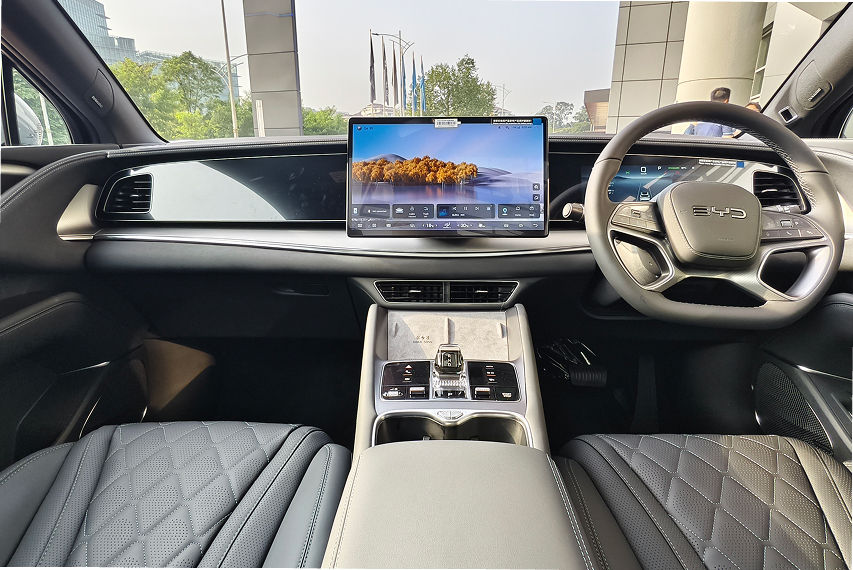 Photo by Adam Aubrey
Some powerful EVs seem obsessed with reminding you how fast they are every time you touch the accelerator. The Sealion 7 is much calmer about it. There is plenty of punch when you ask for it, but the throttle response is progressive enough that you can drive smoothly without constantly throwing your passengers into their seatbacks.
That relaxed character suits the car.
There is a double-wishbone arrangement at the front and a multi-link setup at the rear, and the Sealion 7 actually behaves quite neatly when the road begins to twist. You can still feel that there is plenty of mass underneath you. Physics has not been cancelled. But it does not flop around like a big, soft SUV.
Turn into a corner and the body takes a set quite nicely. There is enough suspension control that you can carry a decent rhythm through a winding road without the car feeling confused by what you are asking it to do. The steering is fairly light in its regular setting, which makes sense for everyday use. Switch into Sport, however, and noticeably more weight comes through the wheel.
It does not suddenly become a sports car, and it should not. The best way I can describe it is as a comfortable electric GT wearing SUV clothes. It is happy covering large distances, but there is enough chassis underneath you to make the interesting roads enjoyable too.
The ride is where things become slightly more complicated. Over broad bumps, undulations and the long-wave surfaces you typically encounter on highways, the Sealion 7 works very well. It settles into a comfortable stride and generally absorbs bigger road movements without making the body feel loose.
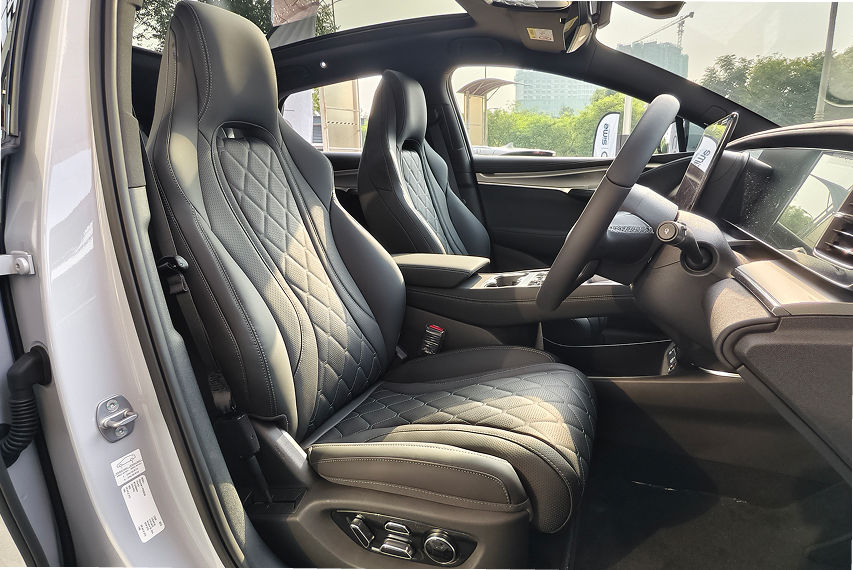 Photo by Adam Aubrey
Sharper bumps are different. Expansion joints and short, abrupt imperfections can occasionally come through more firmly than you might expect, and there are moments where you feel another small movement from the body afterwards. So I would not describe the Sealion 7 as super plush.
There is clearly enough firmness in the suspension to maintain that body control we enjoyed through corners. The trade-off is that some sharper surfaces still make themselves known. For me, that balance works.
I found all the seats comfortable over the two-day trip, although not everyone in our car completely agreed. A couple of fellow media passengers thought the cushioning was slightly firm, so this is probably one of those things worth trying for yourself.
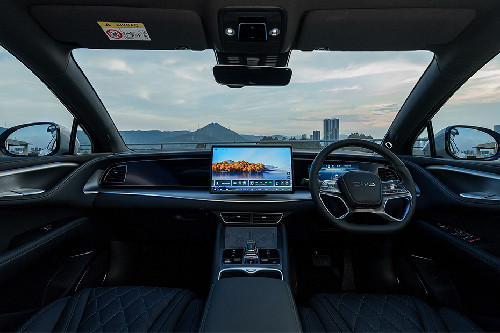
Personally, the front seats suited me well. There is loads of adjustment, the side bolsters offer useful support and the seat itself still feels properly substantial and cushioned. There is also useful thigh support, which becomes much more important after a few hundred kilometres than any fancy ambient-lighting animation.
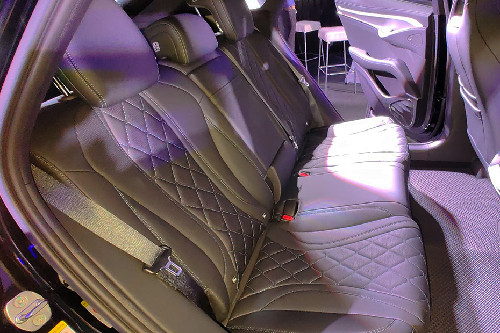
The rear cabin is similarly generous for space. One thing you do notice is that the rear floor is relatively high, which changes your sitting position slightly. Your knees can sit a little higher than in some conventional SUVs.
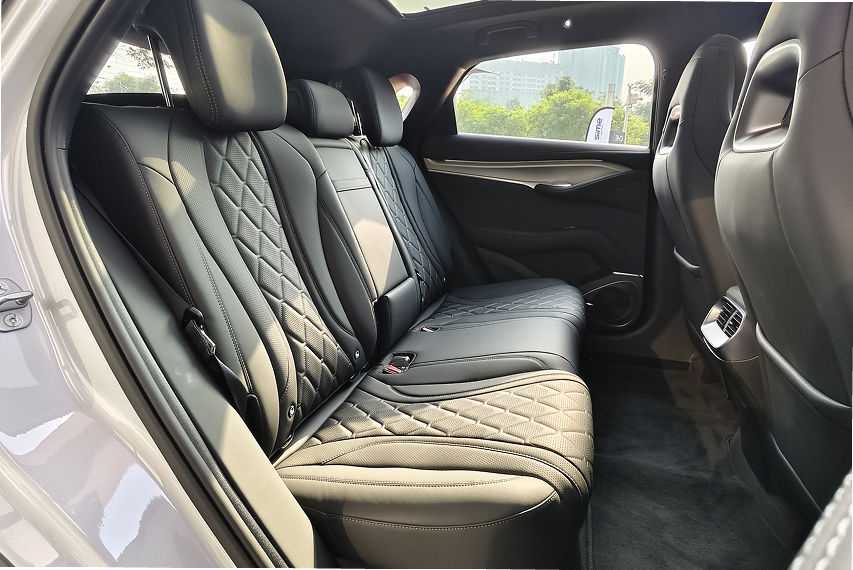 Photo by Adam Aubrey
Thankfully, there is enough legroom to compensate. There is so much space ahead of you that stretching your legs out is easy, which makes it relatively simple to find a comfortable position even on a long journey. That matters because the Sealion 7 feels much more convincing as a long-distance family SUV when the people in the back are not begging to stop every hour.
So, did it actually make it?
Yes.
After the Genting climb, the descent towards Kuala Lumpur and the final run back into the Klang Valley, our Sealion 7 rolled into BYD Ara Damansara with 19% battery remaining and 120 km of indicated range still on the dashboard.
Based on our trip figures, we had covered roughly 509 km over the two days. And importantly, the charging-port seal was still intact. No top-up. No emergency charger. No tow truck. Just one battery.
This should not be treated as some definitive scientific range test. Weather, traffic, speed, elevation, air-conditioning use, tyre pressures and driving style all have a huge influence on EV consumption.
But that is also what made this particular exercise useful. This was not 600-plus kilometres of carefully controlled, perfectly flat driving. There were highways, B-roads, three occupants, luggage, traffic, deadlines and a proper climb towards Genting that pushed consumption as high as 26 kWh/100 km.
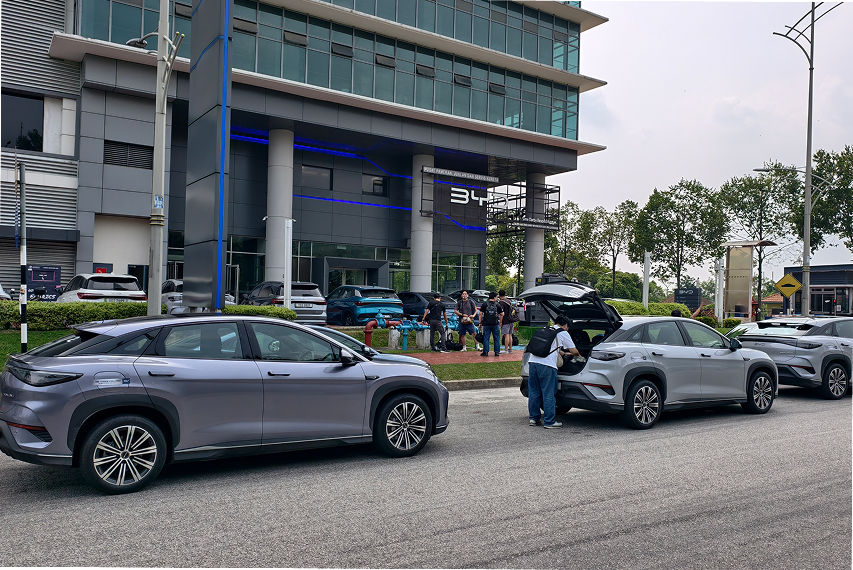 Photo by Adam Aubrey
And the Sealion 7 still came home with nearly a fifth of its battery remaining.
Going into the challenge, the headline figure was the new 91.3 kWh battery and its claimed 650 km NEDC range. Coming out of it, the number I remembered most was different.
19%.
Because after everything we had thrown at the Sealion 7 over two days, that was how much battery it still had left.
Also Read: BYD Certified pre-owned EV programme launched in Malaysia, first outlet opens in Glenmarie

-
Explore BYD Sealion 7
-
BYD Sealion 7 Related Stories
- News
- Featured Stories
- Expert Review
-
 2026 BYD Sealion 7 EV launched in Malaysia - 3 variants, price starts from RM 163,800
KUALA LUMPUR: The Malaysian electric vehicle market is heating up, with brands aggressively introducing new and updated models at attractive...
Read MoreSippi Vig, Jul 30, 2026 -
New BYD Sealion 7 launching in Malaysia on July 30
KUALA LUMPUR: Even though Proton has captured a major chunk of the Malaysian EV market, BYD is still holding its...
Read MoreSippi Vig, Jul 29, 2026 -
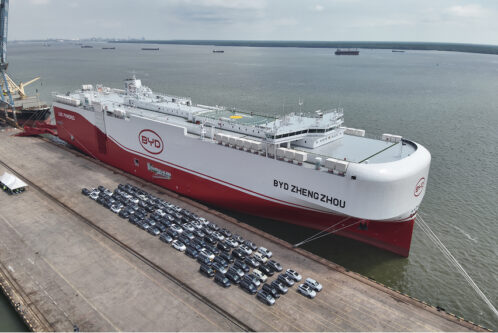
BYD’s Zhengzhou car carrier docks in Malaysia, quicker EV deliveries
KUALA LUMPUR: Malaysia has just received a fresh shipment of BYD electric vehicles, but this time, they didn’t arrive on...
Read MoreAdam Aubrey, Aug 08, 2025
-
Breaking down Malaysia’s automotive trends 2025: Top Cars, Brands, and EVs
Malaysia’s Road Transport Department (JPJ) has released the data on total vehicle sales in the country in 2025. As in...
Read MoreSippi Vig, Jan 22, 2026 -
Top 10 best-selling EVs in Malaysia for 2025
Malaysia's electric vehicle market has been growing at a fast rate, driven by the launch of exciting and affordable EVs,...
Read MoreSippi Vig, Dec 26, 2025 -
BYD Sealion 7: Variants explained
KUALA LUMPUR: BYD electric cars are gaining popularity in Malaysia, with the Atto 3 and Seal topping the EV sales...
Read MoreSippi Vig, Nov 26, 2024

-
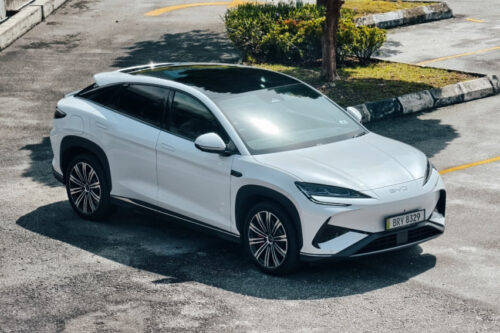
Review: BYD Sealion 7 Performance - The RM200k EV that brings power, tech & value to Malaysia
Before we dive into the details, let's clear the air—the BYD Sealion 7 Performance isn't here to convince every sceptic....
Read MoreAdam Aubrey, Apr 23, 2025
BYD Car Models
-

BYD Dolphin -
BYD Atto 3 -
BYD Seal -
BYD M6 -
BYD Sealion 7 -
BYD Atto 2 -
BYD Seal 6

Don't Miss
-
2026 BYD Sealion 7 One-Charge Challenge: Selangor, Pahang and back
-
2026 BYD Sealion 7 EV launched in Malaysia - 3 variants, price starts from RM 163,800
-
New BYD Sealion 7 launching in Malaysia on July 30
-
KLIMS 2026: Nissan previews upcoming X-Trail e-POWER x e-4ORCE
-
Top 10 cars to see at 2026 Kuala Lumpur International Mobility Show
KLIMS 2026


Malaysia Autoshow
Trending & Fresh Updates
- Latest
- Popular
-

-
-
-
-
-
-
-
-
-
Electric Car: A comprehensive buying guidePurva Jain, Jul 01, 2024
-
Must watch automotive movies for enthusiastsPurva Jain, Feb 21, 2024
-
Car Rust-proofing 101: All you need to knowPurva Jain, Feb 15, 2024




You might also be interested in
- News
- Featured Stories

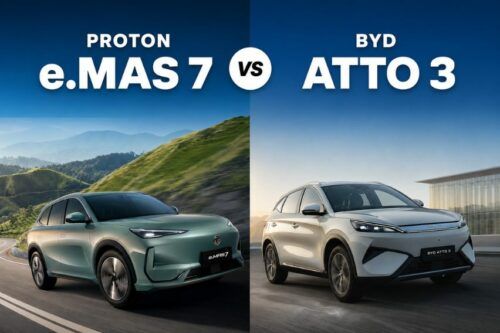
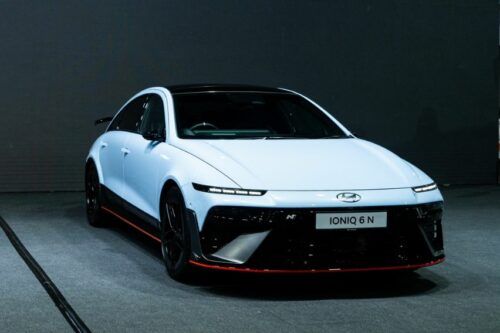
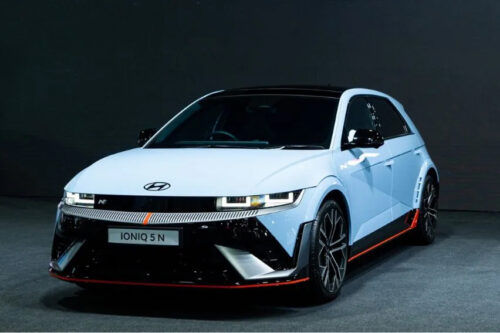
BYD Featured Cars
- Latest
- Upcoming
- Popular
-
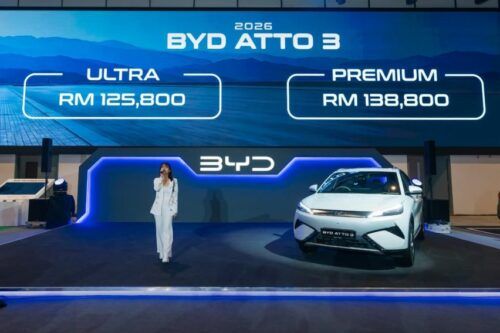
BYD Atto 3RM 125,800 - 138,800 OTR Price Kuala LumpurEMI : RM 1,469 x 844.23 (13 Reviews) VIEW AUGUST OFFERS
-
BYD Seal 6RM 100,000 - 115,800 OTR Price Kuala LumpurEMI : RM 1,168 x 84Write a Review VIEW AUGUST OFFERS
-
BYD DolphinRM 100,530 - 125,530 OTR Price Kuala LumpurEMI : RM 1,174 x 844 (9 Reviews) VIEW AUGUST OFFERS
-
BYD Atto 3RM 125,800 - 138,800 OTR Price Kuala LumpurEMI : RM 1,469 x 844.23 (13 Reviews) VIEW AUGUST OFFERS
-
BYD SealRM 171,800 - 191,800 OTR Price Kuala LumpurEMI : RM 2,007 x 844.13 (8 Reviews) VIEW AUGUST OFFERS
-
BYD M6RM 109,800 - 123,800 OTR Price Kuala LumpurEMI : RM 1,282 x 844 (5 Reviews) VIEW AUGUST OFFERS
-
Latest BYD Sealion 7 Car Videos on Zigwheels

-
BYD Sealion 7 Performance AWD review Malaysia | RM200k EV that punches above Its weight!02 Jul, 2025 .
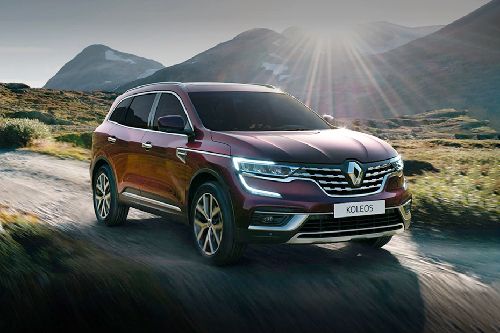
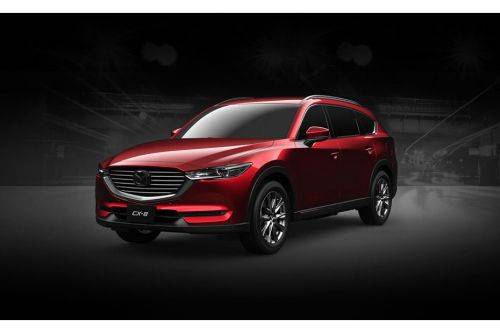
Compare & Recommended
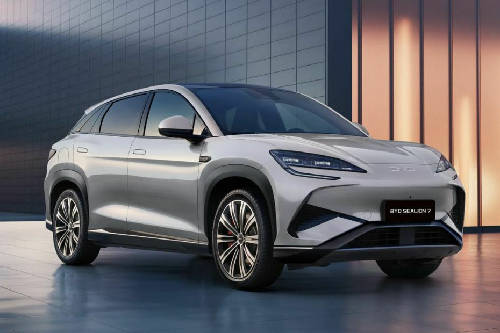
BYD Sealion 7
RM 183,800 - 199,800
Sealion 7 Price
|
|
|
|
|
|
Seating Capacity
5
|
5
|
7
|
7
|
7
|
|
Fuel Type
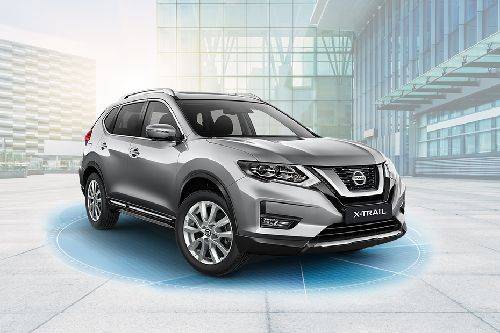
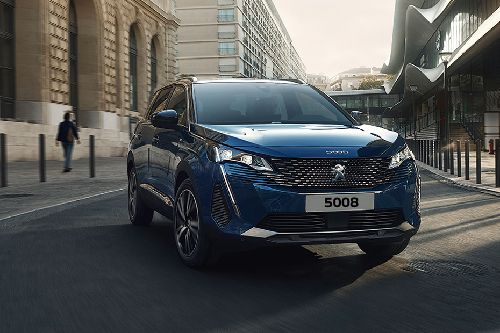
Electric
|
Petrol
|
Petrol
|
Petrol
|
Petrol
|
|
Power
309
|
169
|
192
|
142
|
165
|
|
Torque
380 Nm
|
226 Nm
|
258 Nm
|
200 Nm
|
240 Nm
|
|
Transmission Type
Automatic
|
CVT
|
Automatic
|
CVT
|
Automatic
|
|
Ground Clearance
-
|
160 mm
|
-
|
-
|
191 mm
|
|
Engine
-
|
2488
|
2488
|
1997
|
1598
|
|
|
Trending SUV
- Latest
- Upcoming
- Popular
-
-
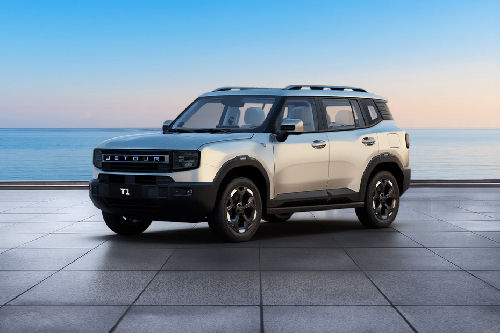
Jetour T1RM 129,800 - 146,800 OTR Price Kuala LumpurEMI : RM 1,516 x 844 (2 Reviews) VIEW AUGUST OFFERS
-
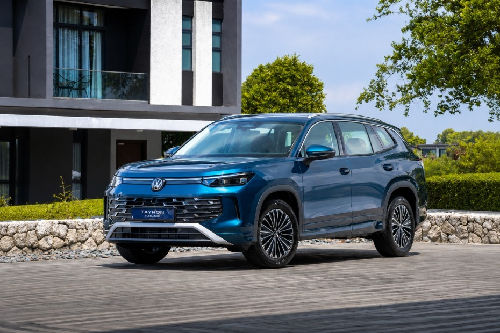
Volkswagen TayronRM 190,510 - 238,574 OTR Price Kuala LumpurEMI : RM 2,226 x 84Write a Review VIEW AUGUST OFFERS
-
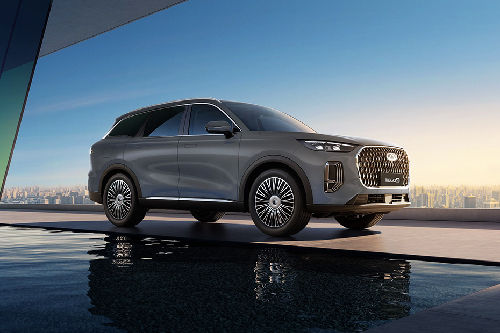
Chery Tiggo 9RM 166,800 OTR Price Kuala LumpurEMI : RM 1,948 x 84Write a Review VIEW AUGUST OFFERS
-
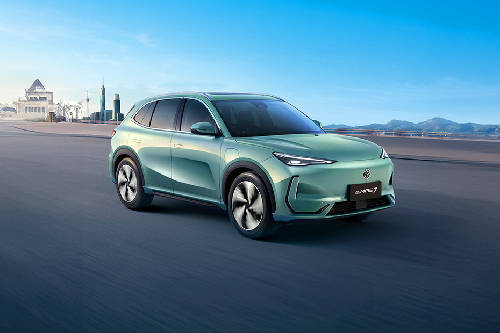
Proton e.MAS 7RM 103,800 - 119,800 OTR Price Kuala LumpurEMI : RM 1,212 x 844.19 (16 Reviews) VIEW AUGUST OFFERS
-
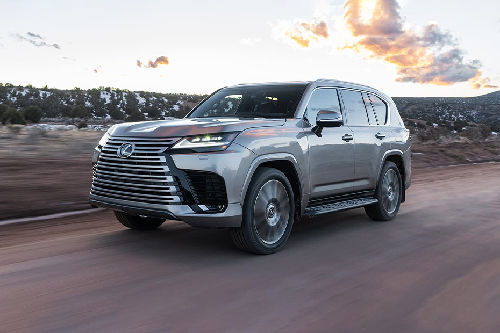
Lexus LXRM 1.54 - 1.72 Million OTR Price Kuala LumpurEMI : RM 17,997 x 844.48 (21 Reviews) VIEW AUGUST OFFERS
-
MINI John Cooper WorksRM 218,888 - 393,888 OTR Price Kuala LumpurEMI : RM 2,557 x 844.38 (13 Reviews) VIEW AUGUST OFFERS
-
Peugeot 3008RM 138,000 OTR Price Kuala LumpurEMI : RM 1,612 x 844.35 (23 Reviews) VIEW AUGUST OFFERS
-
Toyota Corolla CrossRM 130,900 - 146,000 OTR Price Kuala LumpurEMI : RM 1,529 x 844.26 (47 Reviews) VIEW AUGUST OFFERS
-
Toyota RushRM 93,000 - 97,000 OTR Price Kuala LumpurEMI : RM 1,086 x 844.27 (61 Reviews) VIEW AUGUST OFFERS
-
Perodua AtivaRM 62,500 - 73,400 OTR Price Kuala LumpurEMI : RM 730 x 844.17 (46 Reviews) VIEW AUGUST OFFERS
-
Mazda CX-5RM 143,300 - 187,200 OTR Price Kuala LumpurEMI : RM 1,674 x 844.36 (65 Reviews) VIEW AUGUST OFFERS