One bZ4X or 92 Hybrids? Toyota’s answer explains everything
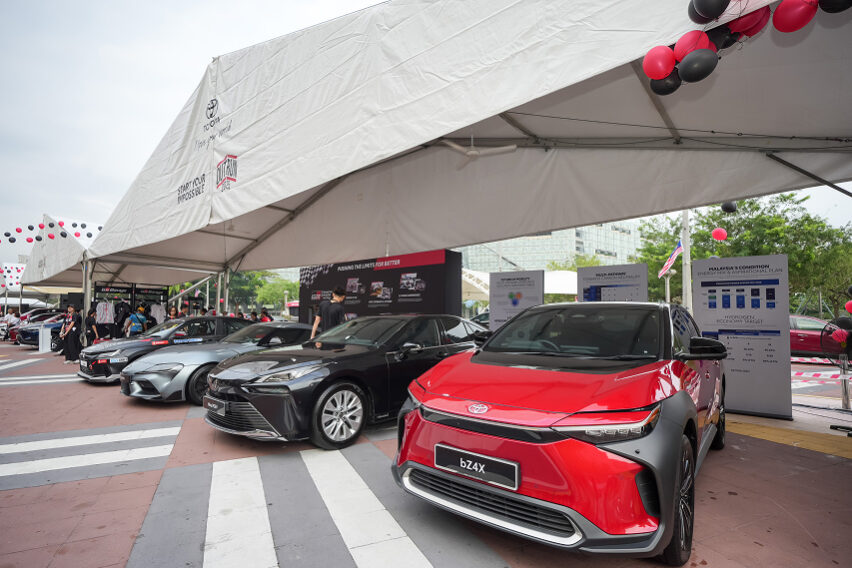
KUALA LUMPUR: When Toyota puts up a slide at the pre-Japan Mobility Show 2025 briefing saying one bZ4X equals ninety-two Yaris Cross Hybrids in total CO₂ impact, you can’t help but stop and think — wait, what?
KEY TAKEAWAYS
Why isn't Toyota going all-in on EVs?
Toyota says EVs are not always cleaner, since making big batteries creates a lot of CO₂. Instead of using all that material for one EV, they can build many hybrids and cut more emissions overall.What is Toyota’s plan for cleaner mobility?
Toyota is focusing on hybrids, biofuels, and hydrogen power. These options help reduce emissions right now using existing fuel and infrastructure, while the company slowly builds toward a greener, renewable future.Because that single number sums up exactly why Toyota has been so hesitant to commit fully to EVs. It’s not that they can’t. It’s that they’ve done the maths.
 Photo from Toyota
That 71.4 kWh battery pack inside the bZ4X might be Toyota’s most advanced yet. But with that same amount of battery material, Toyota says it could instead build 92 Yaris Cross hybrids, and together, those cars would produce less total CO₂ over their lifetime than that one EV.
It’s not about tailpipes anymore — it’s about how much carbon you spend just to make something cleaner.
For Toyota, this isn’t an excuse. It’s a reality check. The company’s engineers are basically asking: if battery resources are limited, and the world still runs mostly on fossil energy, wouldn’t it make more sense to spread that clean technology wider instead of deeper?
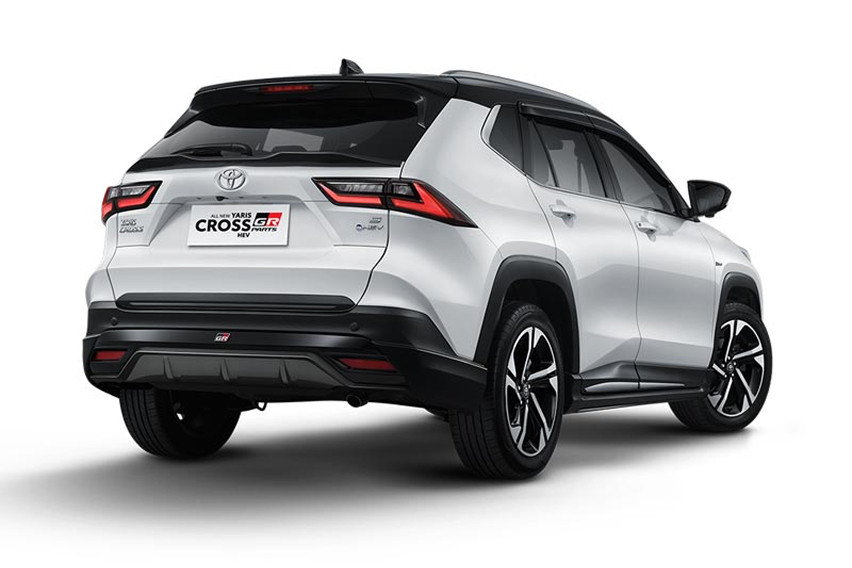 Photo from Toyota
EVs aren’t the Magic Bullet
Toyota’s point is uncomfortable but true — EVs aren’t automatically clean.
Yes, they have zero tailpipe emissions. But making one — from mining lithium and nickel to refining them into battery cells — still creates plenty of CO₂. And depending on where your electricity comes from, charging that EV might not be much greener either.
In much of Asia, the power grid still leans heavily on coal or gas. Which means an EV here could carry a larger carbon footprint than a hybrid driven efficiently. That’s the part Toyota keeps reminding us of: you can’t separate the car from its ecosystem.
Asia’s energy reality
This is why Toyota’s roadmap looks different from what’s happening in Europe or the US.
For the next 5 to 10 years, Asia will still depend on fossil fuels. So Toyota’s priority isn’t to abandon combustion overnight — it’s to make it as efficient and clean as possible while new infrastructure catches up.
In this region, Toyota sees some potential in biofuels — Malaysia with palm-based biodiesel, Indonesia pushing B40 and B50, and India developing bio-ethanol. These fuels can cut emissions today, using existing cars and supply chains.
Hybrids, then, are the logical bridge. They don’t need chargers, don’t rely on unstable rare-earth markets, and already cut emissions drastically in everyday use. It’s not flashy, but it’s effective.
Toyota also isn’t shy about calling out the dark side of clean tech. Mining for rare-earth materials like lithium, cobalt, and nickel is expensive, energy-intensive, and not always environmentally friendly.
And because the supply chain is concentrated in just a few regions, it’s a ticking time bomb for both cost and sustainability.
So rather than chasing EV volume at any cost, Toyota’s strategy is to use every gram of battery material as efficiently as possible.
If 71 kWh can decarbonize one EV, or 92 hybrids — they’ll take the 92.
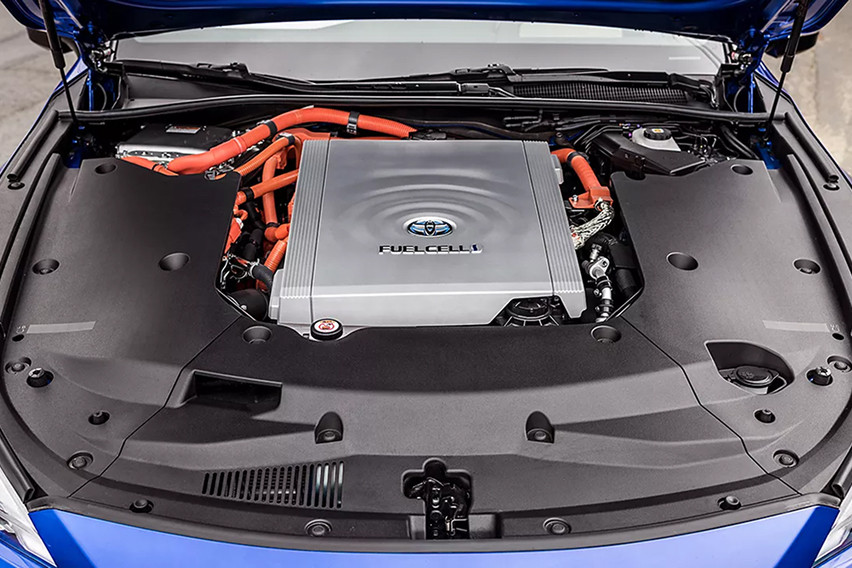 Photo from Toyota
Hydrogen and Renewables: Still in the picture
Of course, Toyota hasn’t given up on the future.
Hydrogen remains a big part of its long-term plan — both in fuel-cell (FCEV) and hydrogen-combustion (H₂ ICE) form. The company’s also investing in renewable energy infrastructure, exploring how bio-waste could generate clean hydrogen for transport and industry.
But again, this all takes time. And Toyota’s stance is simple: it’s not about being the first to flip the switch — it’s about being ready when the grid, the fuel, and the customers are ready too.
When you zoom out, Toyota’s slow-and-steady approach isn’t about stubbornness. It’s about efficiency. From optimizing logistics routes to reduce CO₂ in delivery fleets, to re-thinking how much energy a single product “costs” the planet, Toyota’s playing a systems game — not a showroom one.
Because if one bZ4X can’t clean the air as effectively as ninety-two hybrids can, maybe “slow” isn’t the right word. Maybe it’s just smart.
Toyota’s 30×30 Mission — 30 percent of all sales in Asia to be electrified by 2030 — still sounds ambitious. But how they get there will look different from anyone else.
And that’s the point. Toyota’s not trying to win the race to EVs.
They’re trying to make sure we all get to the finish line — with enough resources left to keep going it seems.
Speaking of Yaris Cross hybrids, Toyota Malaysia...when will we get this fabled vehicle? Isn't it way past due already?
Also read: Why Toyota’s “Best in Town” Idea means you’ll never see a Tundra in Malaysia

-
Explore Toyota Yaris
-
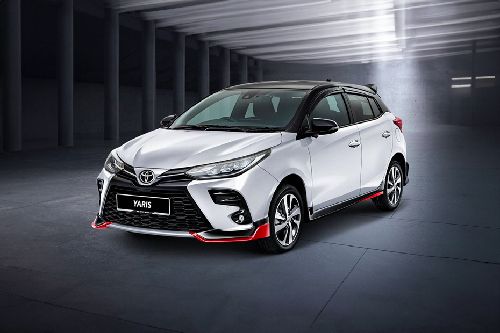
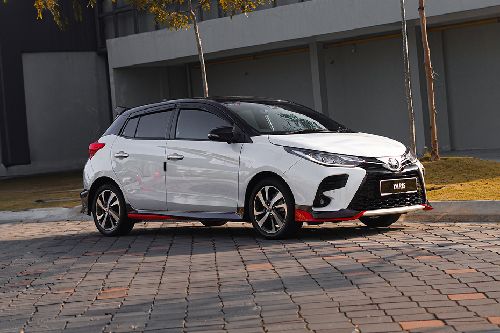
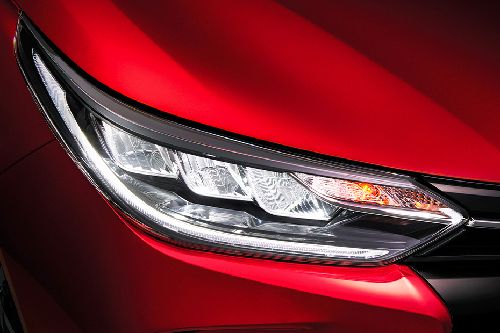
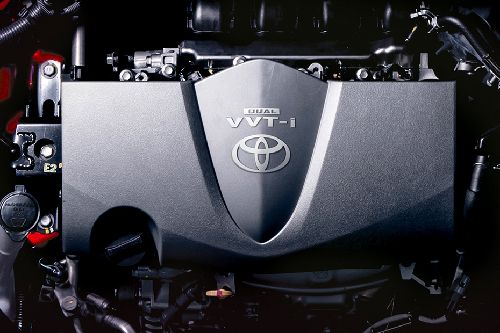
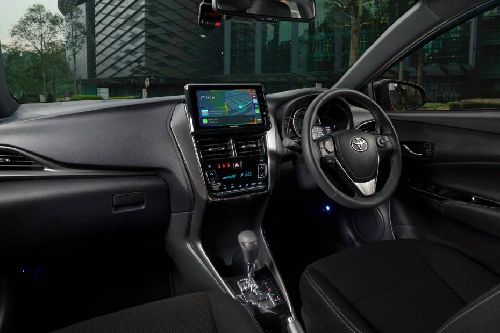
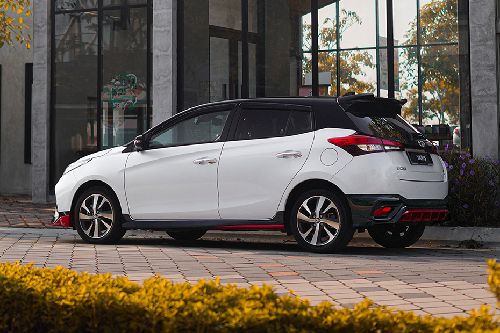
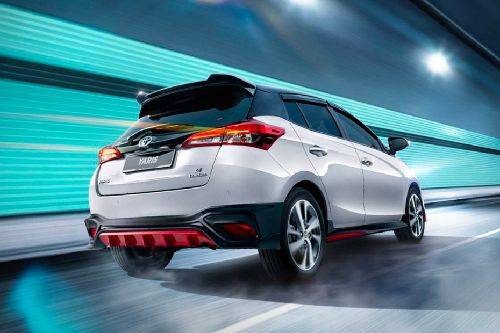
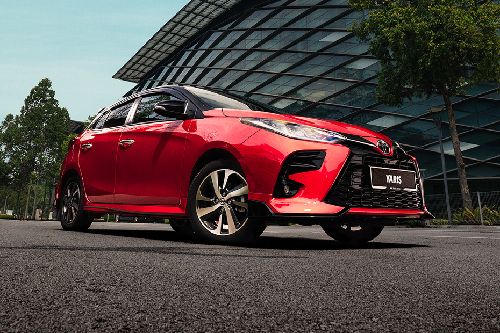
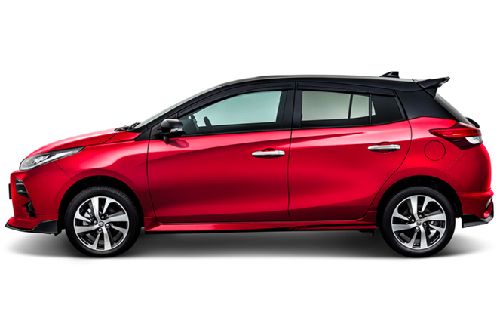
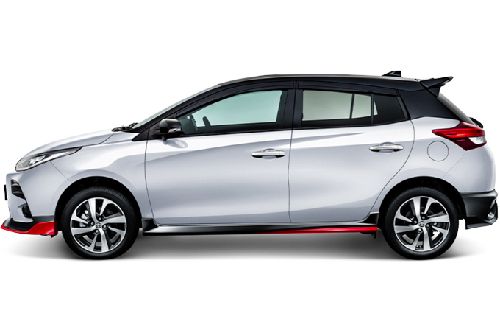
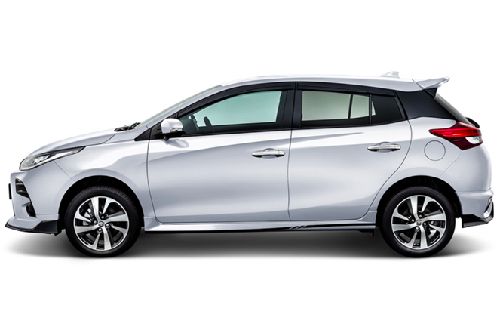
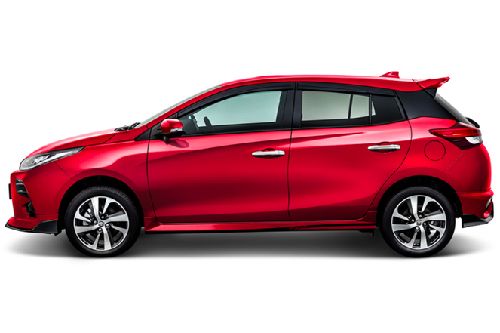
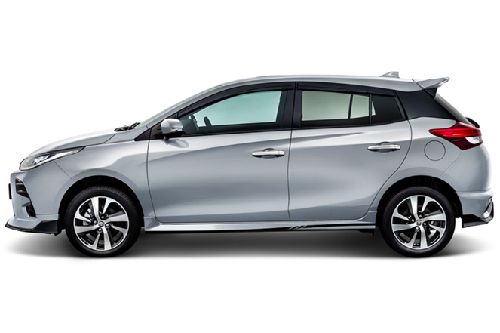

Toyota Yaris Related Stories
- News
- Featured Stories
-
 UMW Toyota Motor tops 100,000 sales again in Malaysia, 102,417 units in 2025, Toyota Extend warranty plan launched
KUALA LUMPUR: Despite a relatively quite year as far as car launches is concerned, UMW Toyota Motor (UMWT) closed out...
Read MoreAdam Aubrey, Jan 06, 2026 -
Toyota Malaysia maintains sales momentum, 8,877 units sold in July, launches Merdeka month deals
KUALA LUMPUR: UMW Toyota Motor (UMWT) has reported another solid month of sales, delivering 8,877 vehicles in July 2025. This...
Read MoreAdam Aubrey, Aug 08, 2025 -
2025 Toyota GR Yaris launched in Malaysia – Priced at RM316k, here’s what’s new
KUALA LUMPUR: UMW Toyota Motor has unveiled the 2025 GR Yaris at the Toyota Gazoo Racing Season 7 finale, and...
Read MoreAdam Aubrey, Jan 06, 2025
-
Toyota & Family: A legacy of trust that drives through generations
Toyota isn’t just a company that sells cars. It’s a legacy. A household name. A silent member of the family...
Read MoreAdam Aubrey, Mar 21, 2025
Toyota Car Models
-

Toyota Veloz -
Toyota Yaris -
Toyota Vios -
Toyota Corolla Cross -
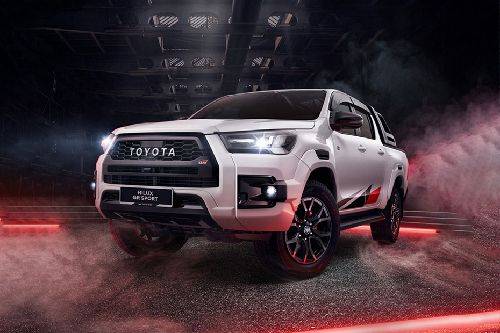
Toyota Hilux -
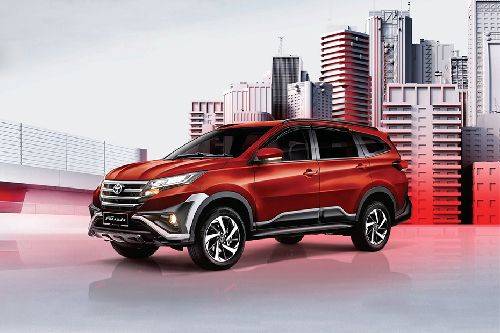
Toyota Rush -
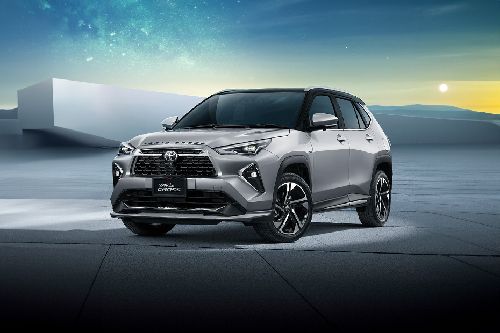
Toyota Yaris Cross -
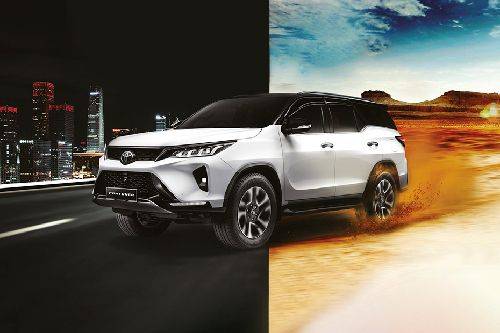
Toyota Fortuner -
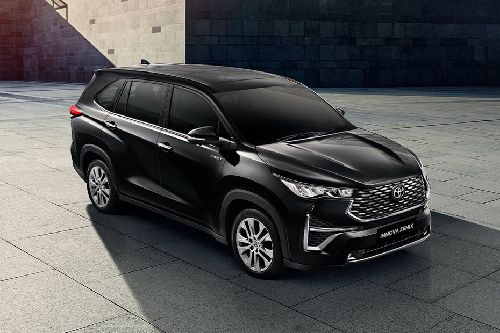
Toyota Innova Zenix -
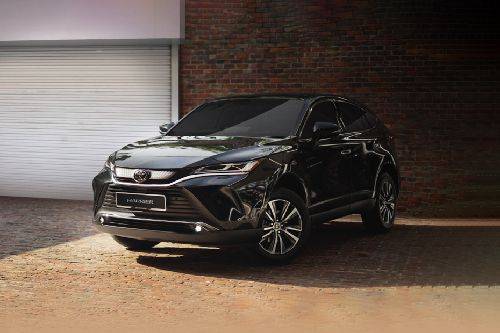
Toyota Harrier
Don't Miss
-
Proton records 14.9% growth in July 2026; exports reach a new high
-
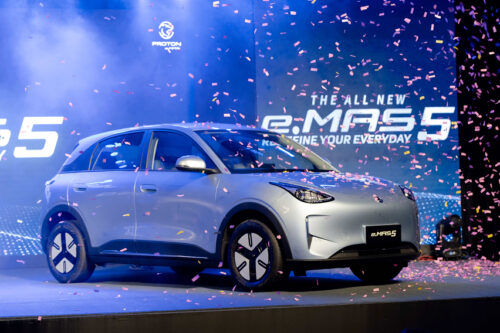
Malaysia’s best-selling EV, the Proton e.MAS 5, now available in Nepal
-
Proton e.MAS crosses 20k mark in less than 7 months, e.MAS 5 leading the charge
-
Proton launches e.MAS 5 EV in Singapore, strengthens regional EV presence
-
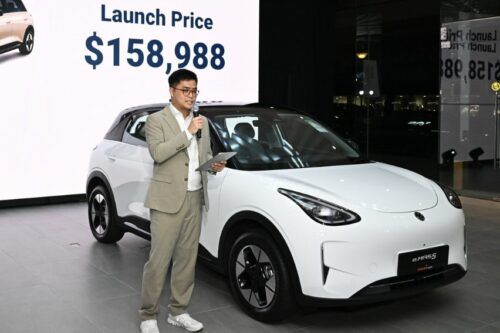
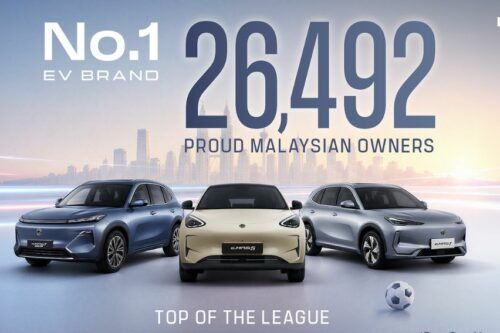
Proton e.MAS records 26,492 cumulative sales; remains No.1 EV brand in Malaysia

KLIMS 2026


Malaysia Autoshow
Trending & Fresh Updates
- Latest
- Popular
-

-
-
-
-
-
-
-
-
-
Electric Car: A comprehensive buying guidePurva Jain, Jul 01, 2024
-
Must watch automotive movies for enthusiastsPurva Jain, Feb 21, 2024
-
Car Rust-proofing 101: All you need to knowPurva Jain, Feb 15, 2024





You might also be interested in
- News
- Featured Stories


Toyota Featured Cars
- Latest
- Upcoming
- Popular
-
Toyota Yaris CrossRM 99,900 - 109,900 OTR Price Kuala LumpurEMI : RM 1,167 x 844 (1 Reviews) VIEW AUGUST OFFERS
-
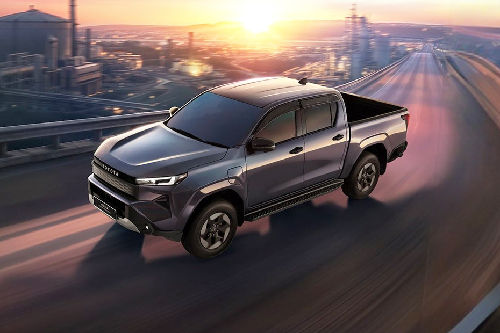
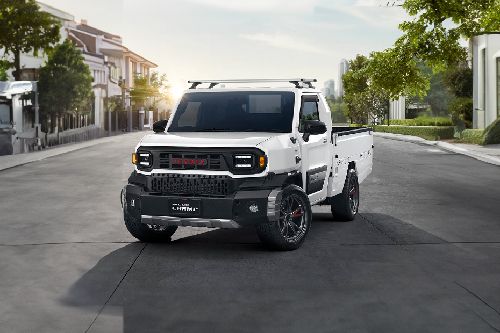
Toyota Hilux BEVRM 226,300 OTR Price Kuala LumpurEMI : RM 2,644 x 84Write a Review VIEW AUGUST OFFERS
-
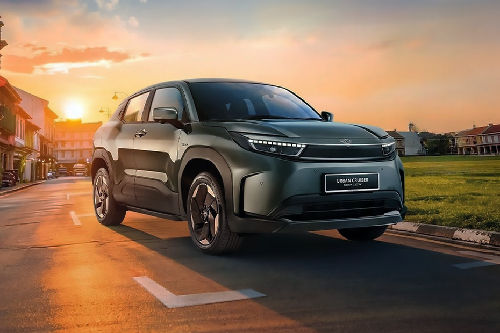
Toyota Urban Cruiser EVRM 198,000 OTR Price Kuala LumpurEMI : RM 2,313 x 84Write a Review VIEW AUGUST OFFERS
-
-
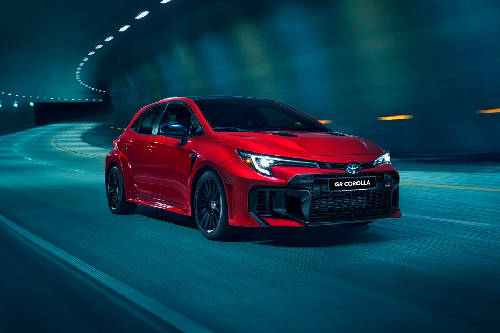
Toyota GR CorollaRM 367,000 - 378,950 OTR Price Kuala LumpurEMI : RM 4,289 x 844.48 (21 Reviews) VIEW AUGUST OFFERS
-
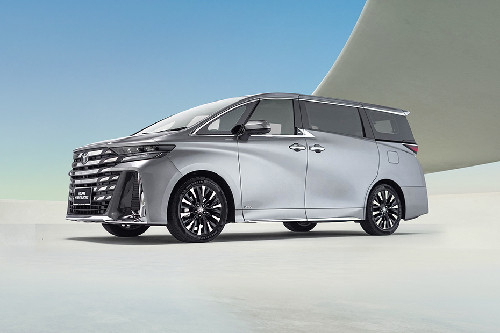
Toyota Vellfire HEVRM 549,900 OTR Price Kuala LumpurEMI : RM 6,426 x 845 (1 Reviews) VIEW AUGUST OFFERS
-
-
-
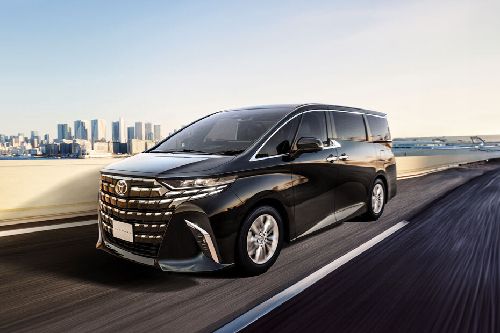
Toyota Alphard HEVRM 570,000 Expected Price Kuala LumpurExpected Launch TBA Alert Me When Launched
-
Toyota VelozRM 95,000 OTR Price Kuala LumpurEMI : RM 1,110 x 844.44 (34 Reviews) VIEW AUGUST OFFERS
-
Toyota ViosRM 89,600 - 95,500 OTR Price Kuala LumpurEMI : RM 1,047 x 844.17 (71 Reviews) VIEW AUGUST OFFERS
-
Toyota Corolla CrossRM 130,900 - 146,000 OTR Price Kuala LumpurEMI : RM 1,529 x 844.26 (47 Reviews) VIEW AUGUST OFFERS
-
Toyota HiluxRM 103,880 - 169,080 OTR Price Kuala LumpurEMI : RM 1,213 x 844.29 (69 Reviews) VIEW AUGUST OFFERS
-
Toyota RushRM 93,000 - 97,000 OTR Price Kuala LumpurEMI : RM 1,086 x 844.27 (61 Reviews) VIEW AUGUST OFFERS
Compare & Recommended
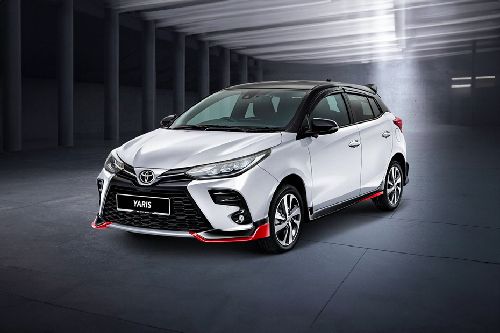
Toyota Yaris
RM 70,490
Yaris Price
|
|
|
|
|
|
Seating Capacity
5
|
5
|
5
|
5
|
5
|
|
Fuel Type
Petrol
|
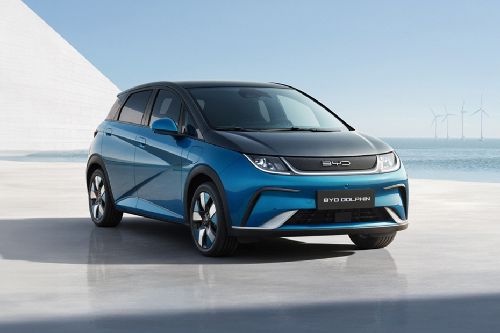
Electric
|
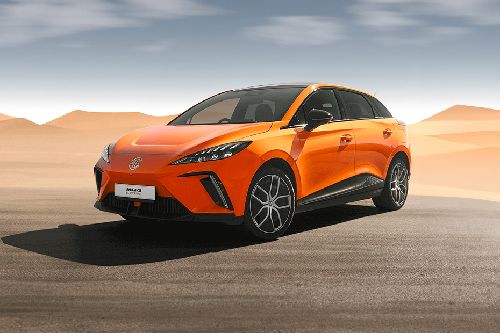
Electric
|
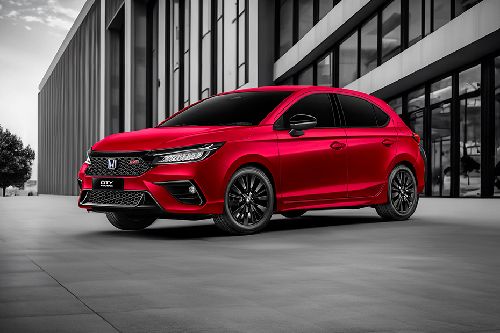
Petrol
|
Electric
|
|
Engine
1496
|
-
|
-
|
1498
|
-
|
|
Power
106
|
94
|
168
|
119
|
94
|
|
Torque
140 Nm
|
180 Nm
|
250 Nm
|
145 Nm
|
160 Nm
|
|
Transmission Type
CVT
|
Automatic
|
Automatic
|
CVT
|
Automatic
|
|
Ground Clearance
-
|
130 mm
|
-
|
-
|
-
|
|
|
Trending Hatchback
- Latest
- Upcoming
- Popular
-
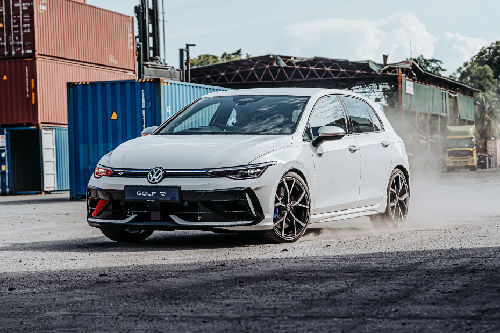
Volkswagen Golf RRM 337,790 OTR Price Kuala LumpurEMI : RM 3,947 x 844.05 (20 Reviews) VIEW AUGUST OFFERS
-
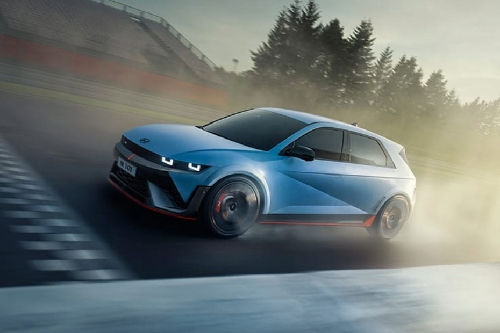
Hyundai Ioniq 5 NRM 443,888 OTR Price Kuala LumpurEMI : RM 5,187 x 84Write a Review VIEW AUGUST OFFERS
-
Toyota GR CorollaRM 367,000 - 378,950 OTR Price Kuala LumpurEMI : RM 4,289 x 844.48 (21 Reviews) VIEW AUGUST OFFERS
-
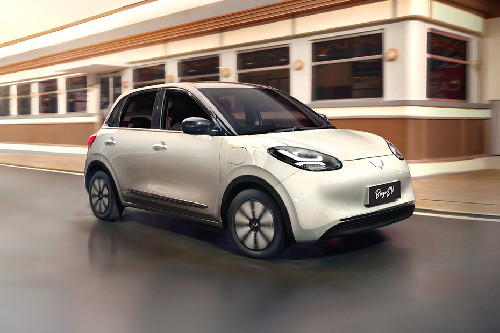
Wuling Bingo EVRM 67,800 - 72,800 OTR Price Kuala LumpurEMI : RM 791 x 84Write a Review VIEW AUGUST OFFERS
-
GWM Ora Good CatRM 109,800 - 119,800 OTR Price Kuala LumpurEMI : RM 1,282 x 844.22 (9 Reviews) VIEW AUGUST OFFERS
-
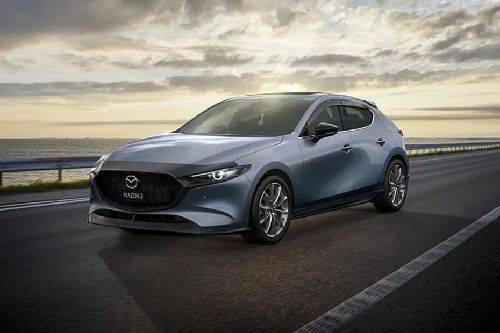
Mazda 3 LiftbackRM 165,000 - 174,000 OTR Price Kuala LumpurEMI : RM 1,928 x 844.35 (37 Reviews) VIEW AUGUST OFFERS

-
-
-
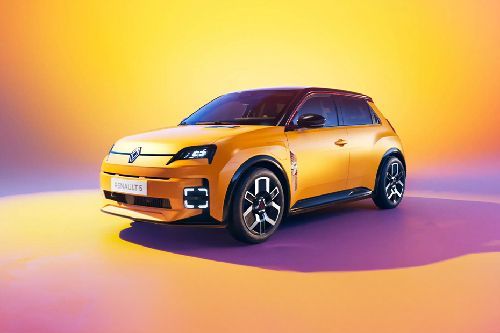
Renault 5RM 129,300 - 175,800 Expected Price Kuala LumpurExpected Launch TBA Alert Me When Launched
-
-
-
-
MINI John Cooper WorksRM 218,888 - 393,888 OTR Price Kuala LumpurEMI : RM 2,557 x 844.38 (13 Reviews) VIEW AUGUST OFFERS
-
MINI Countryman ElectricRM 258,888 By Order Kuala LumpurEMI : RM 3,025 x 844.11 (8 Reviews) VIEW AUGUST OFFERS
-
Perodua AxiaRM 22,000 - 49,000 OTR Price Kuala LumpurEMI : RM 257 x 844.12 (75 Reviews) VIEW AUGUST OFFERS
-
Toyota YarisRM 70,490 OTR Price Kuala LumpurEMI : RM 1,028 x 844.28 (63 Reviews) VIEW AUGUST OFFERS
-
Perodua MyviRM 46,500 - 59,900 OTR Price Kuala LumpurEMI : RM 543 x 844.17 (85 Reviews) VIEW AUGUST OFFERS
-
Honda City HatchbackRM 85,990 - 112,900 OTR Price Kuala LumpurEMI : RM 1,004 x 844.24 (38 Reviews) VIEW AUGUST OFFERS